What is an ABL Laminated Tube and How is it Manufactured?
What is an ABL Laminated Tube and How is it Manufactured?
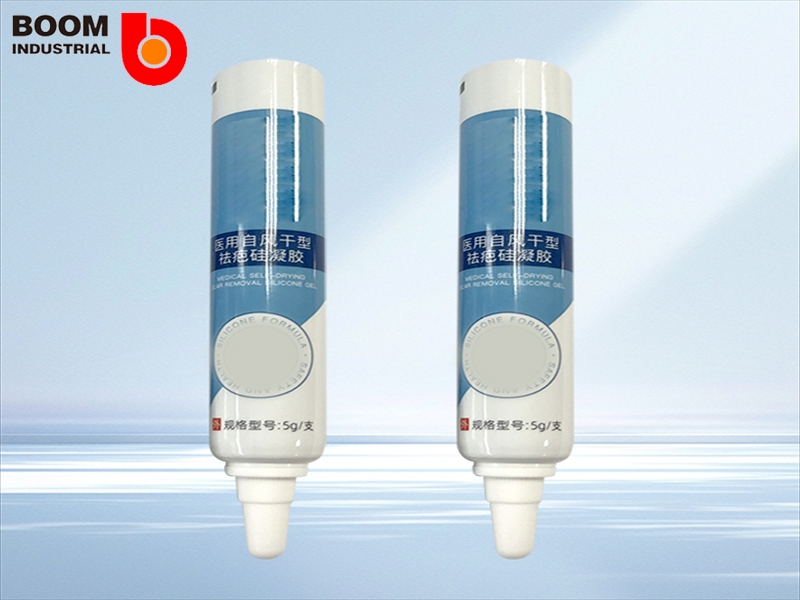
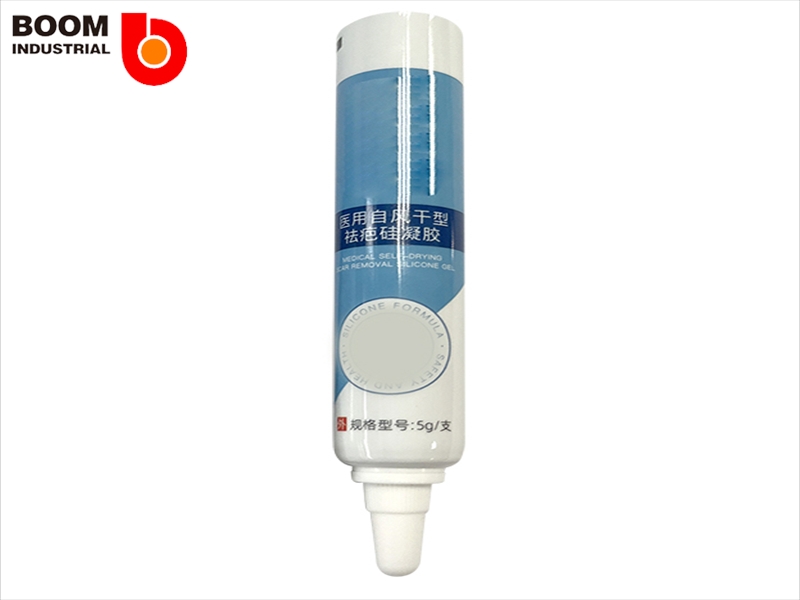
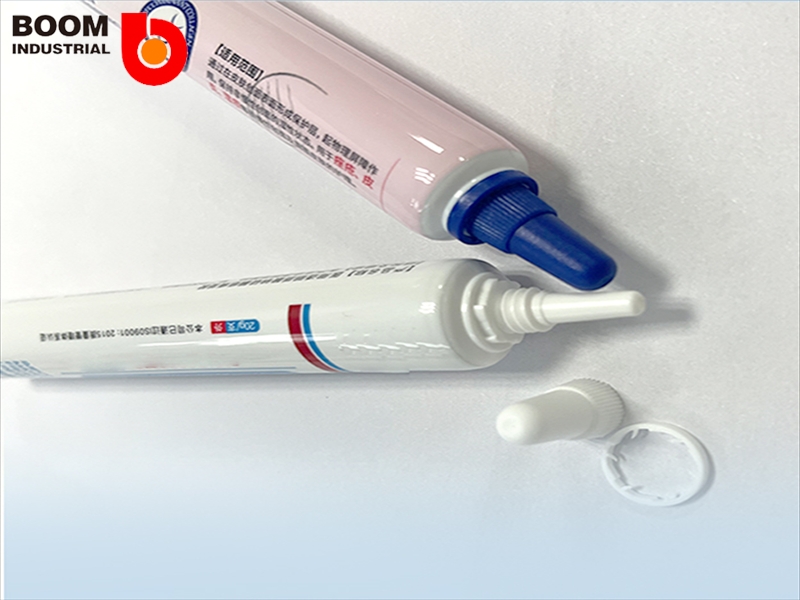
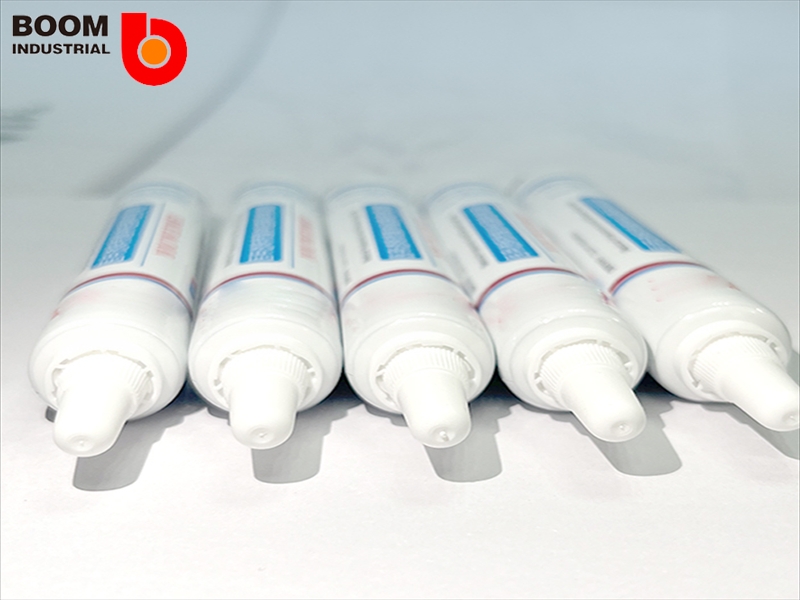
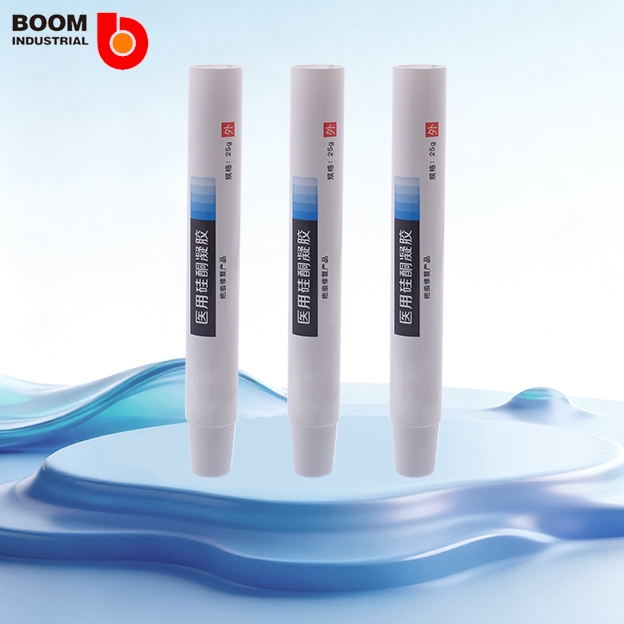
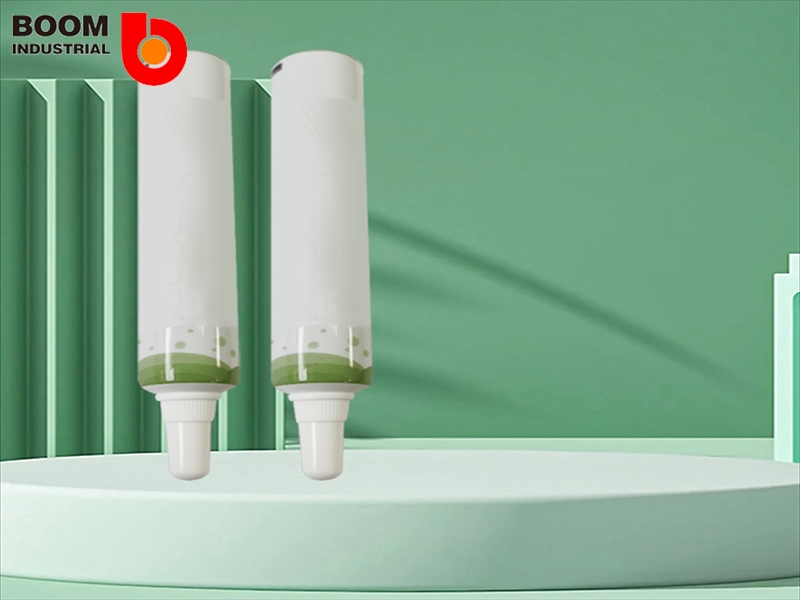
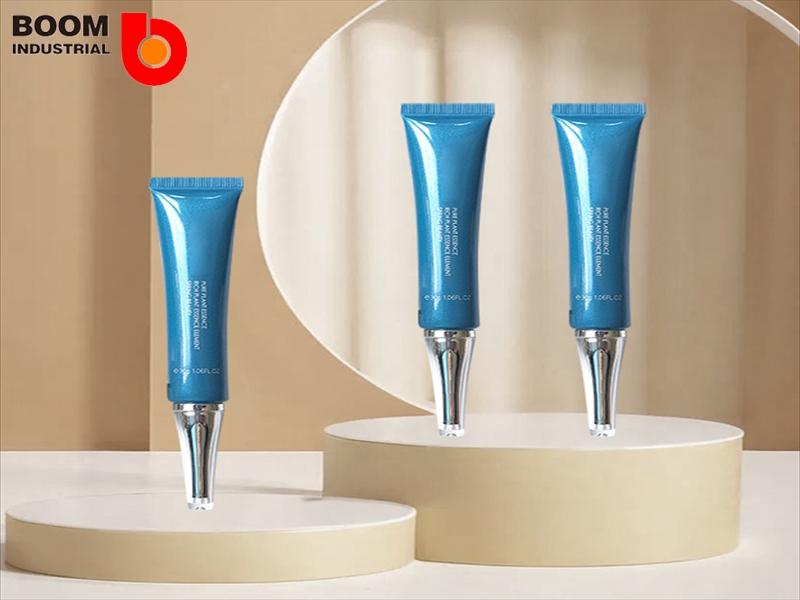
You encounter ABL Laminated Tube packaging in many everyday products. This tube features multiple layers, including a thin aluminum barrier, which protects contents from air, moisture, and light. You benefit from this technology when using toothpaste, creams, or ointments. Manufacturers choose ABL Laminated Tubes because they offer strong protection and maintain product quality in cosmetics and pharmaceutical industries.
Key Takeaways
ABL Laminated Tubes use a multi-layer design that includes an aluminum barrier, providing excellent protection against air, moisture, and light.
These tubes are commonly found in personal care, food, and pharmaceutical products, ensuring freshness and safety for sensitive contents.
The manufacturing process involves careful preparation, printing, and sealing to maintain quality and effectiveness in packaging.
Choosing ABL Laminated Tubes enhances product shelf life and maintains the integrity of creams, gels, and ointments.
Sustainability is a growing focus, with manufacturers exploring recyclable options to reduce environmental impact.
ABL Laminated Tube Overview
What is an ABL Laminated Tube
You see an ABL Laminated Tube as a modern packaging solution that uses advanced materials to protect sensitive products. This tube features a multi-layer structure that combines plastic and aluminum for maximum performance. Each layer serves a specific purpose and works together to keep your products safe and fresh.
Here is how the structure of an ABL Laminated Tube looks:
Outer PE Layer: You touch and see this layer. It gives the tube a smooth surface and allows for colorful printing.
Adhesive Layer: This layer bonds the outer plastic to the aluminum, holding the structure together.
Aluminum Foil Layer: This thin layer acts as a strong barrier. It blocks air, moisture, and light from reaching the product.
Adhesive Layer: Another tie layer connects the aluminum to the inner plastic.
Inner PE Layer: This layer touches the product inside the tube. It is chosen to match the product’s formula and keep it safe.
The multi-layer design of an ABL Laminated Tube gives you excellent protection. The aluminum barrier stands out as the key feature. It keeps out light, air, and moisture, which helps maintain the quality of creams, gels, and ointments. You can trust this packaging to keep sensitive products stable and effective.
Note: Compared to other tubes, such as PBL tubes, the ABL Laminated Tube offers better protection against oxidation and spoilage. The aluminum layer makes a big difference for products that need a high level of safety.
Key Uses and Applications
You find ABL Laminated Tubes in many industries because they offer reliable protection and a pleasant user experience. The table below shows where you might see these tubes and what products they often contain:
Industry | Common Products |
|---|
Personal Care | Creams, gels, lotions |
Food and Beverage | Sauces, pastes |
Pharmaceuticals | Ointments, gels |
You use these tubes every day, whether you squeeze out toothpaste, apply a medicated ointment, or enjoy a food paste. Companies choose ABL Laminated Tubes for products that need to stay fresh and safe from outside elements. The combination of plastic and aluminum layers ensures that the contents remain protected until you finish the product.
Materials & Structure
Layer Composition
You interact with an ABL Laminated Tube that features a carefully designed multi-layer structure. Each layer plays a unique role in protecting the contents and ensuring the tube performs well. The materials used in each layer include polyethylene, co-polymer, and aluminum foil. You can see the breakdown in the table below:
Layer | Material |
|---|
Outer Layer | Polyethylene |
Second Layer | Co-polymer |
Barrier Layer | Aluminum |
Fourth Layer | Co-polymer |
Inner Layer | Polyethylene |
The outer polyethylene layer gives the tube a smooth finish and allows for vibrant printing. Co-polymer layers help bond the structure together. The aluminum barrier sits in the middle, providing strong protection. The inner polyethylene layer touches the product and keeps it safe.
Role of Aluminum Barrier
You rely on the aluminum barrier to keep your products fresh and safe. This layer blocks light, air, moisture, odor, and flavor absorption. It preserves the integrity of the contents inside the tube. You benefit from this barrier because it prevents oxygen and water vapor from entering, which extends the shelf life of creams, gels, and ointments.
The aluminum barrier in an ABL Laminated Tube offers over 99% effectiveness against oxygen and moisture transmission. It also provides complete opacity, so light cannot reach the product. You can compare this to standard polyethylene, which offers moderate protection and is transparent. Multi-layer co-extruded tubes with EVOH provide good barriers but remain semi-opaque.
Material Type | Oxygen Barrier Effectiveness | Moisture Barrier Effectiveness | Light Barrier Effectiveness |
|---|
ABL Tubes | Over 99% | Over 99% | Completely Opaque |
Standard Polyethylene (PE) | Moderate | Moderate | Transparent |
Multi-layer Co-extruded (EVOH) | Good | Variable | Semi-Opaque |
Comparison with PBL Tubes
You notice key differences between ABL Laminated Tubes and PBL tubes. ABL tubes use aluminum foil and polyethylene, giving them strong barrier properties and a multi-layer structure. PBL tubes use only plastic materials, such as polyethylene and EVOH, making them fully recyclable and all-plastic in design.
Tube Type | Material Composition | Key Features |
|---|
ABL | Aluminum foil, PE | Strong barrier properties, multi-layer structure |
PBL | PE, EVOH | Fully recyclable, all-plastic design |
When you compare barrier properties, ABL Laminated Tubes block over 99% of oxygen and provide superior light protection. PBL tubes resist oxygen well but offer less defense against light and water vapor.
Feature | ABL Laminate Tubes | PBL Laminate Tubes |
|---|
Oxygen Barrier | Excellent – Blocks 99%+ oxygen | Very good – EVOH barrier resists oxygen well but slightly less than ABL |
Light Protection | Superior – strong aluminum foil | Moderate – EVOH offers less UV/light defense |
Water Vapor Barrier | Strong – low WVTR values | Good – slightly higher WVTR compared to ABL |
You choose ABL Laminated Tubes when you need maximum protection for sensitive products. You select PBL tubes when recyclability and all-plastic design matter most.
Manufacturing Process
Web Stock Preparation
You start the manufacturing process by preparing the web stock. This step creates the foundation for every ABL Laminated Tube. You see sheets of laminate web stock made from polymers and aluminum barrier layers. Manufacturers roll these sheets into large spools for easy handling. You follow these steps:
Select high-quality polymers and aluminum foil.
Layer the materials to form a laminate web.
Roll the laminate web stock into spools for further processing.
You ensure the web stock is uniform and free from defects. This careful preparation helps you achieve consistent tube quality.
Printing Techniques
You choose a printing technique based on the design and branding requirements. Printing happens directly on the laminate web stock before tube formation. You select from several methods, each offering unique benefits:
Printing Technique | Advantages |
|---|
Rotogravure Printing | Superior for detailed and photorealistic artwork, allows for fine dot patterns and rich color depth. |
Offset Printing | Less detailed compared to rotogravure, suitable for simpler designs. |
Screen Printing | Good for bold colors but lacks the detail of rotogravure. |
You use rotogravure printing when you want vibrant colors and intricate designs. Offset printing works well for basic graphics. Screen printing gives you bold, solid colors. You match the technique to the product’s branding needs.
Tip: You achieve the best results by selecting the printing method that fits your artwork complexity and color requirements.
Tube Forming & Sealing
You move to tube forming after printing. You unroll the pre-printed web stock and shape it into a cylinder. You follow these steps:
Extrude plastic particles to create a molten resin.
Force the resin through a die to form the tube shape.
Cool the tubes in a water bath to set their form.
Decorate the tubes with branding and product information.
Clean the tubes using a blower and vacuum.
Fill the tubes with product using a rotating filling machine.
Seal or crimp the tube ends and stamp production codes.
You use high-frequency heat to fuse the edges, creating a strong seam. You fill the tubes with creams, gels, or ointments, then seal them to protect the contents. You stamp codes for traceability and quality assurance.
Quality Control
You check every tube for quality before it leaves the factory. You inspect material integrity, printing accuracy, and sealing effectiveness. You perform several tests to ensure reliability:
Quality Check | Purpose |
|---|
Material Integrity | Ensures the raw materials meet specifications |
Printing Accuracy | Verifies that printed information is correct |
Sealing Effectiveness | Confirms that seals are secure and functional |
Heat Test
Leak Test
Pressure Test
Strength Test
You look for defects such as adhesion failure, bubbles, curling, wrinkles, poor optical clarity, blocking, and odor issues. You solve these problems by adjusting coating weights, nip pressure, and curing times. You maintain strict standards to deliver safe and effective packaging.
Note: You prevent defects by monitoring every step and making adjustments as needed. This attention to detail ensures that each ABL Laminated Tube meets industry requirements.
Features & Benefits
Barrier Properties
You depend on packaging that keeps your products safe and fresh. The ABL Laminated Tube stands out because it blocks oxygen and moisture, which can damage sensitive formulas. Oxygen degrades active ingredients, while moisture changes texture and encourages microbial growth. You benefit from a tube that uses a thin aluminum layer between plastic sheets. This design creates a near-perfect barrier, preventing oxygen and moisture from entering. You see this advantage in cosmetics and pharmaceuticals, where product integrity matters most.
ABL Laminated Tubes offer extraordinary oxygen and water vapor transmission rates.
You protect sensitive contents from degradation and spoilage.
The tube remains completely opaque, shielding products from light.
Factor | ABL Laminated Tubes | Other Packaging Types |
|---|
Light Protection | Completely opaque | Varies |
Oxygen Barrier | Near-perfect | Often permeable |
Moisture Control | Effective | Limited control |
You extend product shelf life and maintain formula effectiveness with superior barrier properties.
Durability & Safety
You want packaging that holds up under pressure and keeps your products secure. ABL Laminated Tubes resist bursting and maintain their shape when squeezed. You rely on burst strength tests to confirm that the tube does not rupture under stress.
You also value safety features. The aluminum barrier protects against oxygen, light, and moisture, ensuring stability. Tamper Evident Safety Seal (TESS) features show you if the product has been opened. The hygienic design keeps cosmetics and pharmaceuticals clean and safe for use.
Sustainability Considerations
You care about the environment and look for packaging that supports sustainability. ABL Laminated Tubes use recyclable materials and minimize waste. You see a trend toward eco-friendly packaging in cosmetics, pharmaceuticals, and food. Although recycling can be difficult due to the multi-layer construction, manufacturers are working on mono-material designs to improve recyclability.
ABL tubes reduce environmental impact compared to traditional plastic packaging.
You benefit from lower transportation costs because the tubes are lightweight.
The demand for sustainable packaging continues to grow.
You help protect the planet by choosing packaging that balances performance and environmental responsibility.
You now understand how an ABL Laminated Tube uses a multilayer structure to protect sensitive products. The manufacturing process ensures strong seals, reliable barriers, and attractive designs. You can see the benefits in many industries:
Industry | Key Advantage |
|---|
Personal Care | Product safety, consumer appeal |
Food & Beverage | Freshness, flavor preservation |
Pharmaceutical | Contaminant barrier, medication efficacy |
The flexible tube design allows for easy dispensing.
High-quality printing boosts brand recognition.
Choosing the right tube helps you meet safety and quality standards.
FAQ
What does ABL stand for in ABL Laminated Tubes?
ABL stands for Aluminum Barrier Laminate. You see this term used to describe tubes that use an aluminum layer to protect products from air, moisture, and light.
Can you recycle ABL Laminated Tubes?
You may find recycling difficult because ABL tubes contain both plastic and aluminum layers. Some recycling programs accept them, but many do not. Always check with your local recycling guidelines.
Tip: Look for recycling symbols on the packaging to help you decide.
How do ABL Laminated Tubes differ from PBL tubes?
Feature | ABL Tubes | PBL Tubes |
|---|
Barrier Layer | Aluminum | Plastic (EVOH) |
Recyclability | Limited | High |
You choose ABL tubes for strong protection. You pick PBL tubes for better recyclability.
What products use ABL Laminated Tubes most often?
You find ABL Laminated Tubes in toothpaste, creams, ointments, and food pastes. These tubes protect products that need to stay fresh and safe from outside elements.