PBL Tubes Explained and Their Role in Modern Packaging
PBL Tubes Explained and Their Role in Modern Packaging
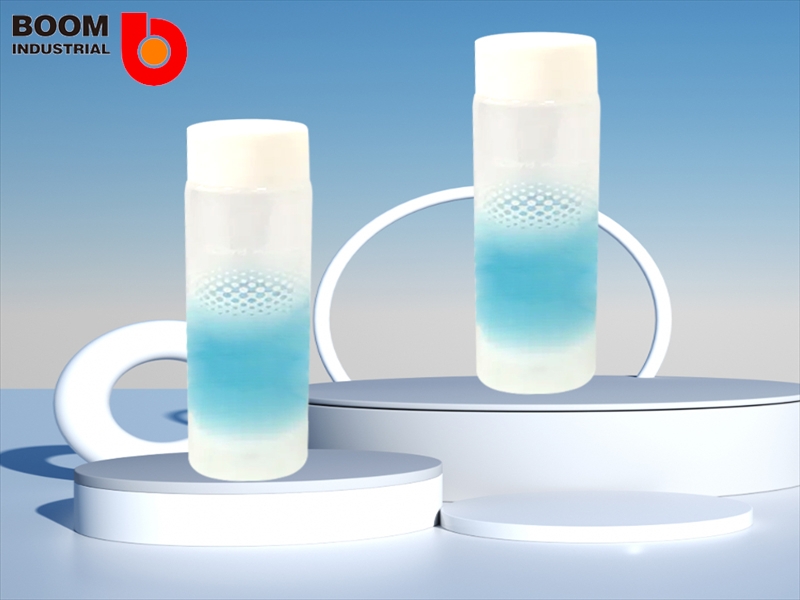
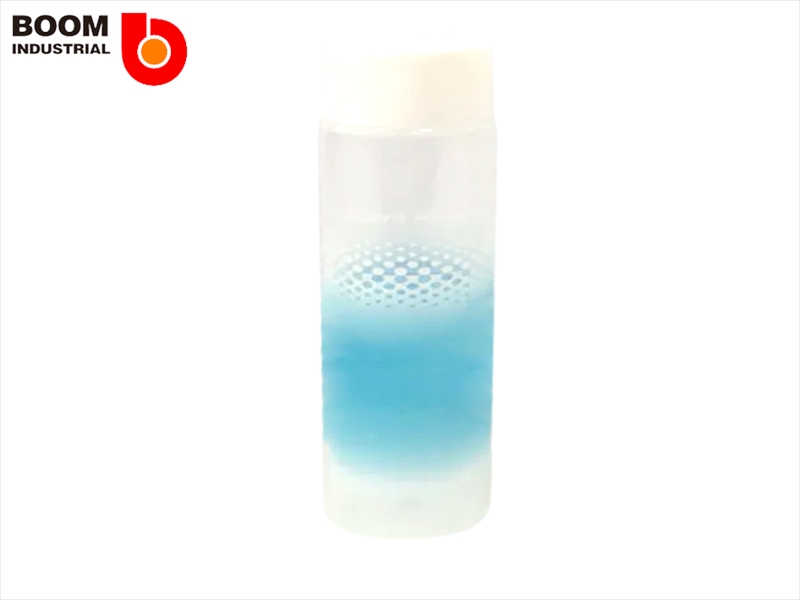
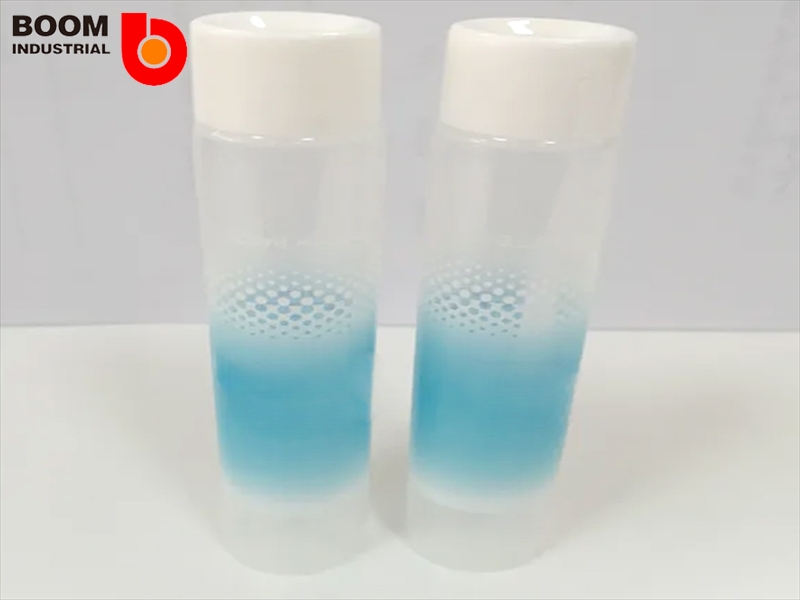
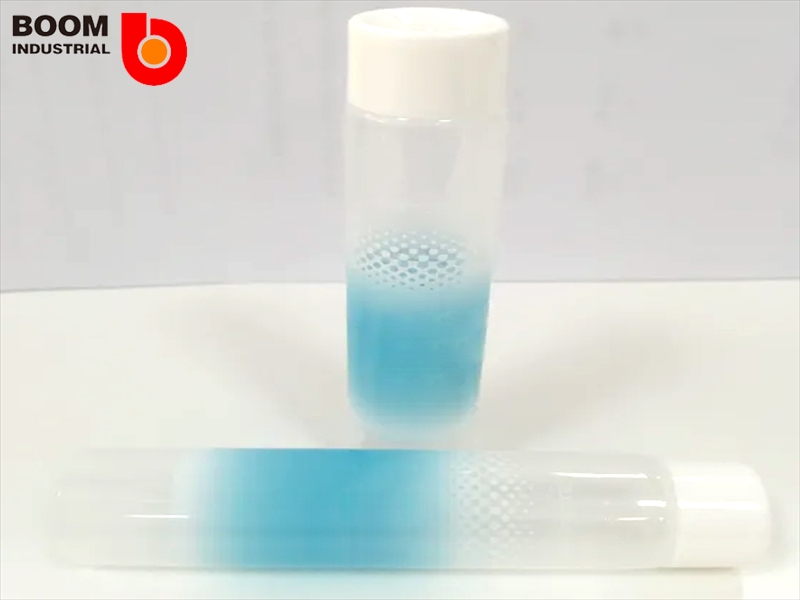
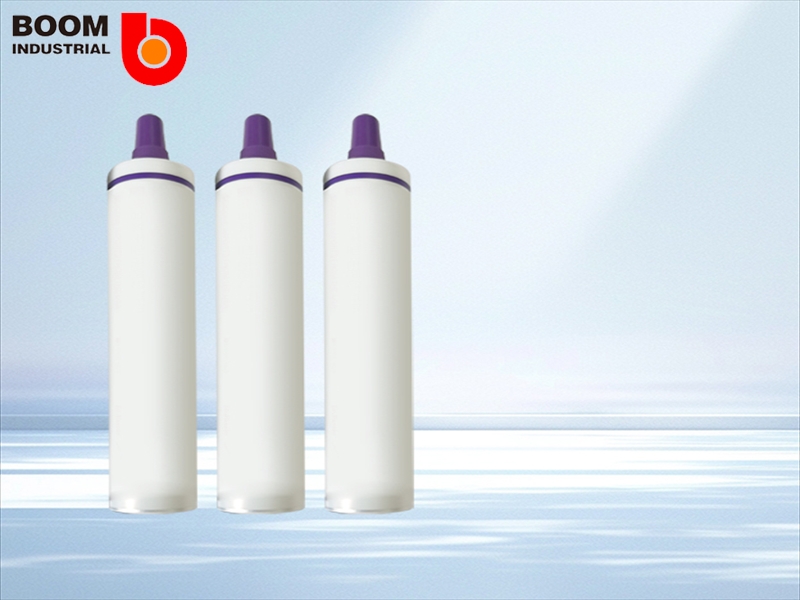
I see a pbl tube as a smart packaging solution made from multiple layers of plastic. These pbl tubes help reduce plastic waste and support recycling efforts. The strong barrier properties of pbl laminated tubes protect products from moisture, oxygen, and light. I often find pbl tubes used in cosmetics, personal care items, food, and pharmaceuticals. The pbl design keeps products safe and extends shelf life.
PBL tubes combine durability with sustainability, making them a top choice for modern packaging.
Key Takeaways
PBL tubes are made from multiple layers of plastic, providing strong protection against moisture, oxygen, and light.
These tubes are recyclable and support sustainability, making them a smart choice for brands focused on eco-friendly packaging.
PBL tubes offer design flexibility, allowing brands to create visually appealing packaging that enhances shelf appeal.
The unique plastic memory of PBL tubes ensures they return to their original shape after use, preventing leaks and maintaining aesthetics.
PBL tubes are widely used in cosmetics, food, and pharmaceuticals, meeting strict safety standards while preserving product quality.
What Is a PBL Tube?
Structure and Materials
When I look at a pbl tube, I see a smart combination of layers that work together to protect the product inside. PBL stands for Plastic Barrier Laminate. This design uses several layers of plastic and barrier materials. Each layer has a specific job. I often find that the structure of pbl tubes gives them their strength and flexibility.
Here is a table that shows the main components and layers in pbl laminated tubes:
Layer Type | Description |
|---|
Outer Layer | Polyethylene two layer |
Middle Layer | Co-polymer |
Barrier Layer | AL foil |
Inner Layer | Co-polymer |
Innermost Layer | Polyethylene two layer |
Additional Features | Colored printing (up to 8 colors), glossy/matte finish, hot/cold stamping, tamper evident safety seal (TESS) |
I notice that the barrier layer is the most important part. Many pbl tubes use EVOH (Ethylene-Vinyl Alcohol) as the barrier. EVOH has a tighter molecular structure than regular polyethylene. This means it blocks oxygen much better. When I compare EVOH to other materials, I see that it gives superior barrier properties, especially for products that need high-barrier protection. However, EVOH can let in some moisture, so manufacturers place it between moisture-resistant polyethylene layers.
PBL laminated tubes also allow for many design options. I can choose glossy or matte finishes, add colorful printing, or even use hot or cold stamping. These features help brands create attractive cosmetic tubes and other packaging solutions.
How PBL Tubes Work
I find that the working principle behind pbl tubes is simple but effective. The multi-layer laminate structure creates a strong shield around the product. Each layer plays a role in keeping the contents safe and fresh.
Here is a table that explains how each layer works:
Layer Type | Material Used | Function |
|---|
Outer Layer | PE (Polyethylene) | Provides printability and feel |
Inner Layer | PE (Polyethylene) | Contacts the formula |
Tie Layers | Adhesive layers | Bonds the layers together |
Central Barrier Layer | EVOH (Ethylene-Vinyl Alcohol) | Blocks moisture and oxygen transmission |
I see that EVOH acts as the main barrier against oxygen and gases. Sometimes, manufacturers add PVDC (Polyvinylidene Chloride) for extra protection. The outer and inner layers of polyethylene give the tube its shape and feel. Tie layers hold everything together.
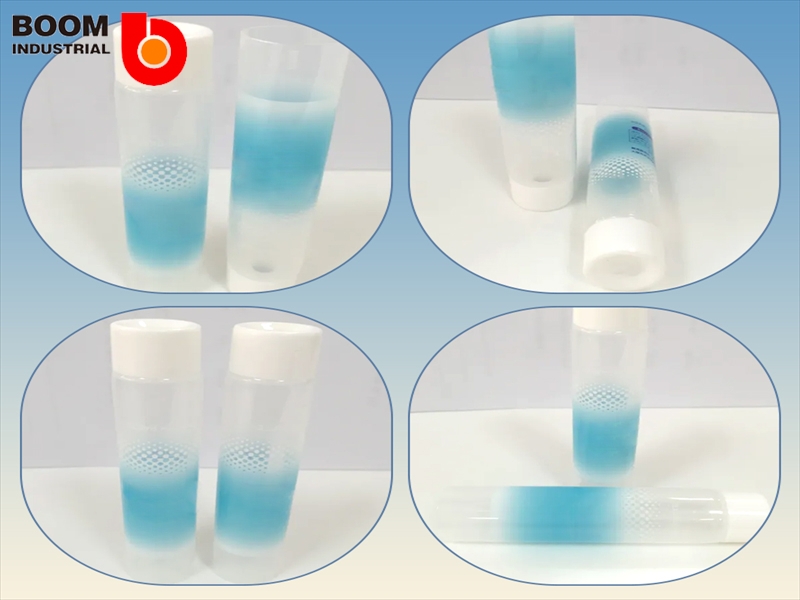
The combination of these layers gives pbl tubes their durability and flexibility. I can squeeze the tube, and it returns to its original shape. This "plastic memory" makes pbl tubes easy to use and helps prevent leaks.
I prefer pbl tubes over traditional mono-material tubes for many reasons. They offer decent protection against light, air, and moisture. They are also more affordable and recyclable. Many brands choose pbl tubes for products that need good protection but do not require the extreme barrier of aluminum tubes. I often see pbl tubes used for toothpaste, creams, and other sensitive products.
Tip: PBL tubes are often made from recyclable materials like polyethylene or polypropylene. This makes them a smart choice for brands that care about sustainability.
In my experience, pbl tubes provide a balance of protection, design flexibility, and eco-friendliness. They stand out as one of the best packaging solutions for modern needs.
PBL Tube Features and Benefits
Barrier Properties
When I examine pbl tubes, I notice their impressive barrier properties. The multi-layer structure, especially the EVOH barrier, protects products from moisture, oxygen, and light. This protection is essential for quality preservation and extends product shelf life. I often compare pbl laminated tubes to other packaging solutions, such as aluminum and plastic tubes. The following table shows how pbl tubes perform in barrier protection:
Feature | ABL Laminate Tubes | PBL Laminate Tubes |
|---|
Oxygen Barrier | Excellent – Blocks 99%+ oxygen | Very good – EVOH barrier resists oxygen well but slightly less than ABL |
Light Protection | Superior – strong aluminum foil | Moderate – EVOH offers less UV/light defense |
Water Vapor Barrier | Strong – low WVTR values | Good – slightly higher WVTR compared to ABL |
I see that pbl tubes offer excellent barrier properties against oxygen and water vapor. Although they provide moderate light protection, they still deliver superior barrier properties for most cosmetic tubes and personal care products. This level of preservation helps maintain product freshness and quality.
Note: The barrier layer in pbl tubes is crucial for keeping sensitive formulas safe from environmental factors.
Durability and Plastic Memory
I value the durability of pbl laminated tubes. The unique plastic memory allows the tube to return to its original shape after squeezing. This feature keeps the tube looking neat and maintains its aesthetic appeal throughout its use. Here are some ways plastic memory benefits users:
The tube retains its shape, which improves visual appeal and user experience.
Durability ensures the packaging remains intact, preventing leaks and spills.
The tube’s flexibility makes it easy to dispense products like creams and gels.
I find that cosmetic tubes made from pbl materials stand out because they combine durability with aesthetic appeal. This combination supports quality preservation and enhances the overall experience for consumers.
Sustainability and Recycling
Sustainability is a major advantage of pbl tubes. I see more brands choosing pbl laminated tubes because they support recycling and contribute to the circular economy. The lightweight and flexible design makes them easier to recycle compared to traditional multi-material formats. In 2023, pbl tubes accounted for 61% of the global market, with over 7.6 billion units produced. There was a 16% increase in mono-material pbl tubes, driven by stricter environmental regulations.
Pbl tubes use less virgin plastic, which helps conserve resources.
The lightweight design lowers shipping emissions, reducing the carbon footprint.
Manufacturers now explore biodegradable tubes, refillable systems, and minimalistic designs to further reduce environmental impact.
I recognize some challenges in recycling pbl tubes. Small tube size, food-grade material requirements, and contaminants like inks and adhesives can complicate the process. The table below highlights these challenges:
Challenge | Description |
|---|
Size | Small tubes often fall out of the recycling process due to their size. |
Food grade material | Tubes require food-grade PE or PP, which is not readily available from recycled sources. |
Contaminants | EVOH, inks, and adhesives complicate recycling and limit the use of recyclate. |
Despite these challenges, pbl tubes remain a sustainable choice. Manufacturers continue to innovate with eco-friendly laminated tubes, recycled materials, and biodegradable options. I believe pbl tubes will play a key role in future packaging solutions.
Tip: Choosing pbl tubes supports environmental compliance and helps brands meet sustainability goals.
I see that pbl tubes balance quality, durability, and sustainability. They deliver superior barrier properties, support preservation, and offer aesthetic appeal. These features make pbl tube packaging solutions ideal for cosmetic tubes and other products that require quality preservation and extended product shelf life.
PBL Laminated Tubes in Packaging
Cosmetic Tubes and Personal Care
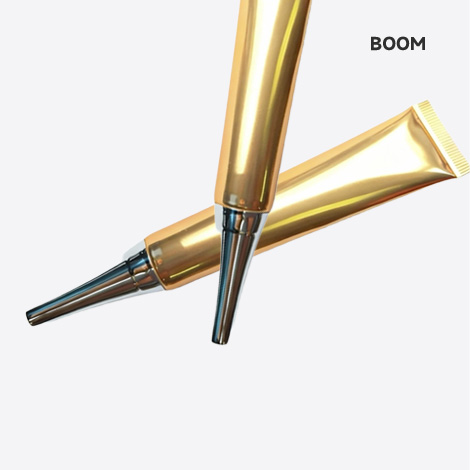
I see the cosmetics and personal care sector as the largest user of pbl laminated tubes. Cosmetic tubes made from pbl materials package a wide range of products, such as gels, lotions, and creams. I notice that the packaging industry values these tubes for their ability to deliver high-quality and innovative packaging solutions. The demand for cosmetic tubes with customizable designs keeps growing. I often find that brands choose pbl tubes because they combine impressive barrier properties with a premium feel. This combination helps protect sensitive formulas and enhances the overall aesthetic appeal of the product.
The cosmetics segment holds the largest revenue share in the market.
Pbl tubes package many types of cosmetics, including gels, lotions, and creams.
Brands seek high-quality and innovative packaging options.
Food and Pharmaceutical Uses
I have observed that pbl laminated tubes play a vital role in food and pharmaceutical packaging. These tubes use advanced barrier properties to shield products from moisture and oxygen. This protection is crucial for preserving freshness and effectiveness. I also know that pbl tubes must meet strict regulatory requirements to ensure safety and quality. The table below shows some of the main standards:
Regulatory Body/Standard | Description |
|---|
CDSCO | Ensures safety, identity, purity, and quality of drug products. |
Drugs and Cosmetics Act & Rules | Governs packaging safety, labeling, and stability compatibility requirements. |
BIS Standards (IS 4707, IS 10146, IS 10910, IS 6356) | Define additives, polymer grades, pigments, and suitability for contact with drug substances. |
Legal Metrology (Packaged Commodities) Rules, 2011 | Regulate net content accuracy and packaging declarations. |
FSSAI (for nutraceutical and food tubes) | Enforces migration limits and packaging safety parameters. |
I trust pbl tubes for pharmaceutical products because they protect against moisture and air, extend shelf life, and use tamper-proof seals for safety.
Branding and Aesthetic Flexibility
I believe that pbl laminated tubes give brands a strong advantage in competitive markets. Cosmetic tubes made from pbl materials support branding through high-resolution printing and visually appealing designs. The table below highlights how these tubes enhance shelf appeal:
Feature | Benefit |
|---|
Aesthetic Flexibility | Brands create visually striking packaging that stands out on shelves. |
Smooth Surface | Allows vibrant graphics and designs, increasing product visibility. |
Premium Feel | Offers a softer, luxurious user experience compared to other options. |
I often use cosmetic tubes with offset printing, silk screening, or flexographic printing. These methods allow up to eight colors and full-sleeve printing, which helps brands stand out. I see that attractive packaging and customizable designs help products catch the eye and support brand differentiation.
Tip: Pbl tubes combine protection, branding, and shelf appeal, making them a top choice for modern packaging solutions.
I see pbl tubes as a smart choice for brands that value product protection, versatility, and commitment to sustainability. Pbl laminated tubes offer strong barrier properties and help reduce plastic waste. Cosmetic tubes made from pbl materials support sustainable packaging goals and meet consumer demand for eco-friendly solutions.
I believe pbl tubes will continue to lead the way in sustainable packaging. Their role will expand as brands and consumers seek greener options.
FAQ
What does PBL stand for in packaging?
I know PBL stands for Plastic Barrier Laminate. This means the tube uses several layers of plastic and a barrier material. These layers work together to protect the product inside.
Are PBL tubes safe for food and pharmaceuticals?
I trust PBL tubes for food and pharmaceutical use. Manufacturers design these tubes to meet strict safety standards. They use food-grade materials and follow regulations to keep products safe.
Can I recycle PBL tubes at home?
I find that recycling PBL tubes at home can be tricky. Many local recycling programs do not accept small tubes. I recommend checking with your local recycling center for guidelines.
How do PBL tubes compare to aluminum tubes?
I see that PBL tubes offer good protection against moisture and oxygen. Aluminum tubes provide stronger light and oxygen barriers. PBL tubes feel softer and allow for more design options.
What products use PBL tubes the most?
I often see PBL tubes used for toothpaste, creams, lotions, and gels. Cosmetic and personal care brands choose them for their durability and attractive appearance.