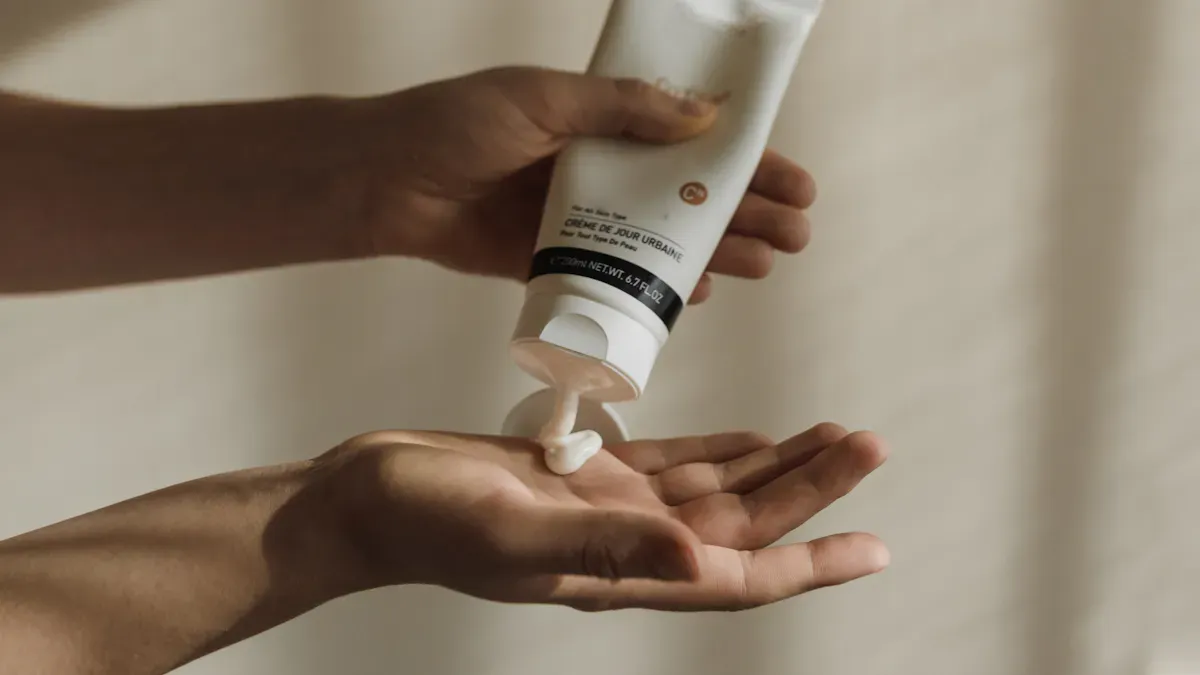
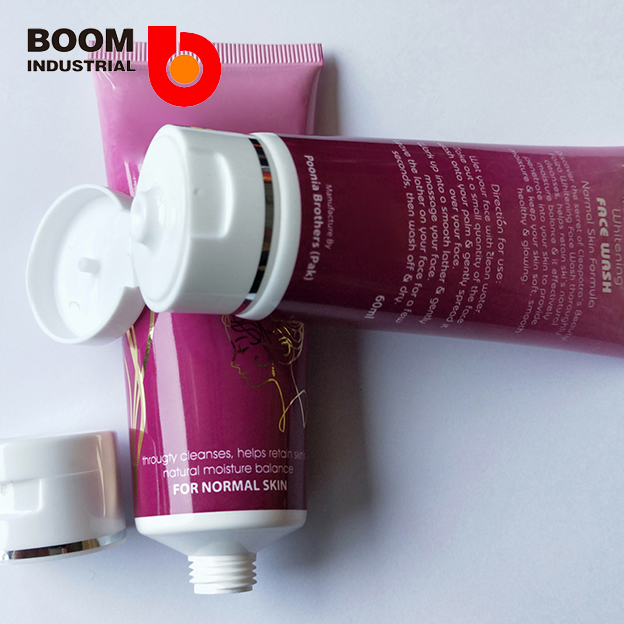
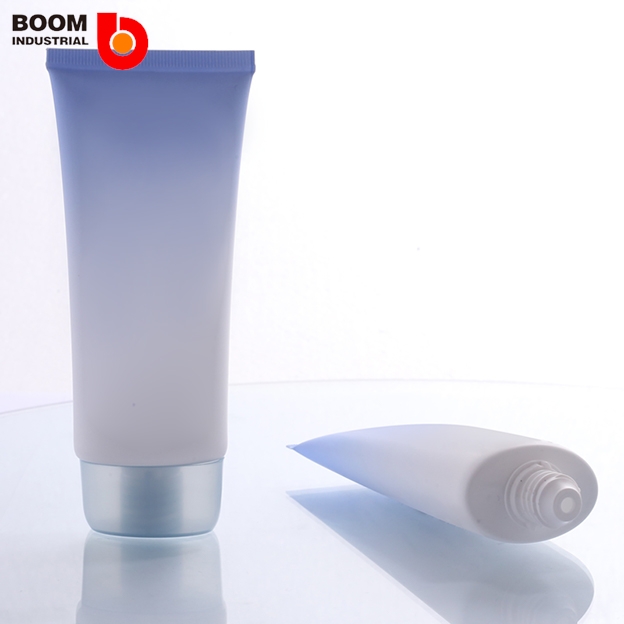
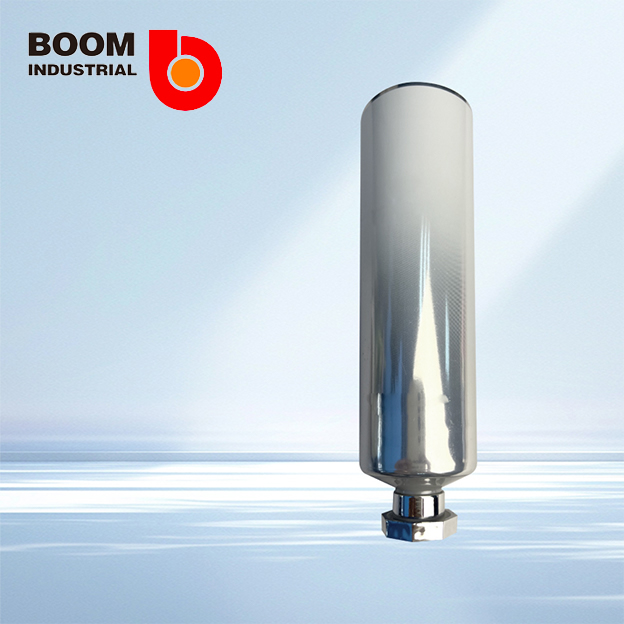
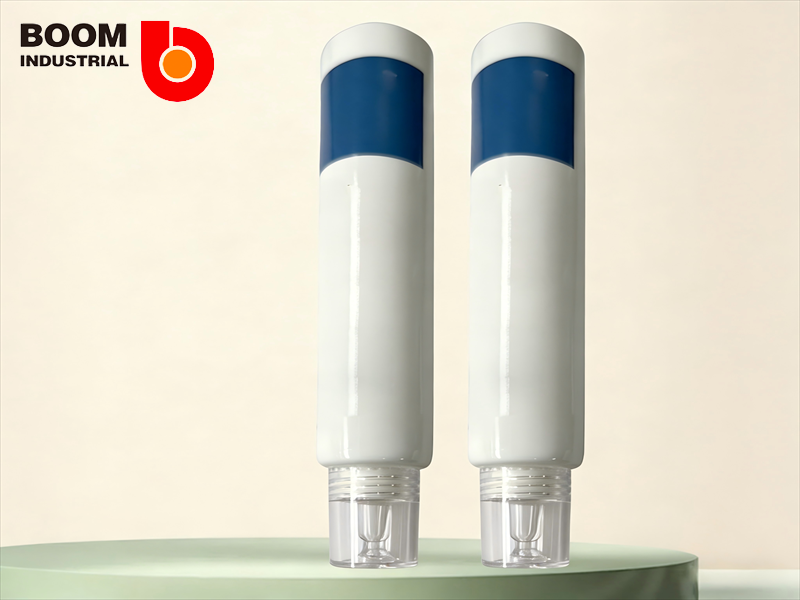
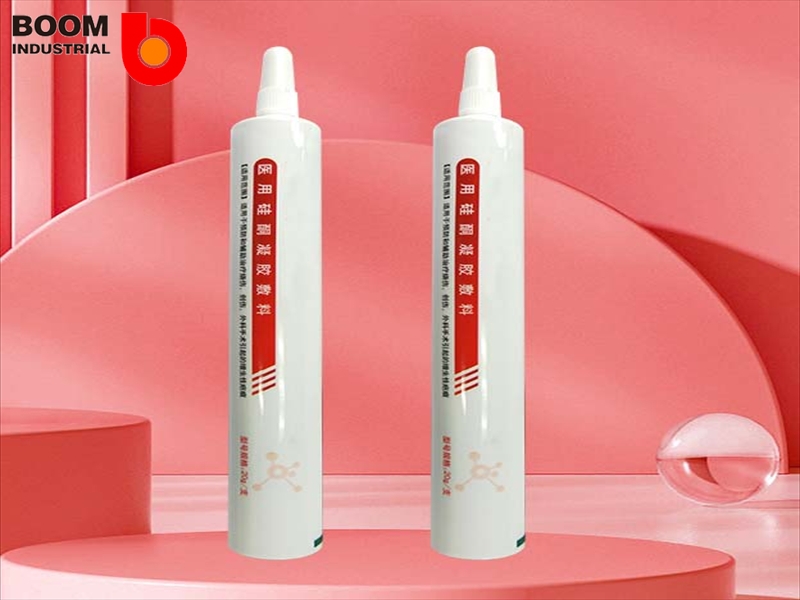
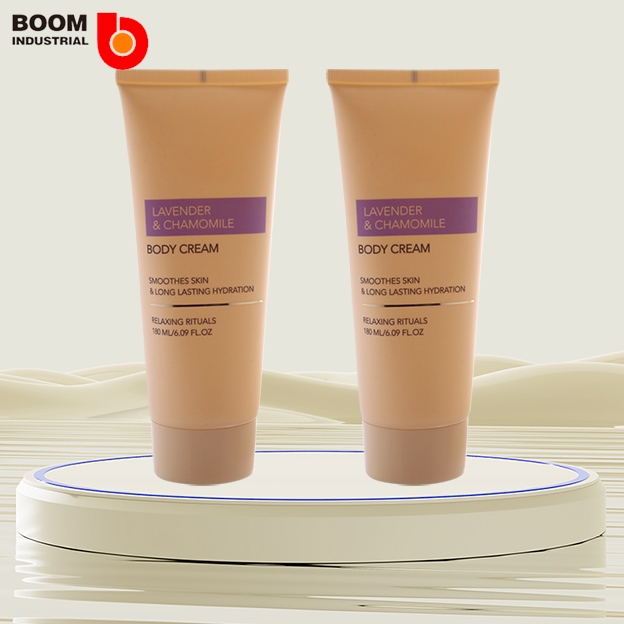
When I choose Cosmetic Tubes, I always start by identifying my product type and how I expect customers to use it. This step helps me match tube features to the needs of the product, which improves functionality and appeals to consumer preferences. Features like eco-friendly materials and airless pump technology keep products fresh and support customer satisfaction.
I recommend focusing on the specific requirements of your formula. Aligning tube features with these needs builds trust and encourages repeat purchases.
Key Takeaways
Identify your product type before selecting cosmetic tubes. Match tube features to product needs for better functionality.
Consider the viscosity of your formula. Choose wider openings for thick creams and precise dispensers for lightweight gels.
Select tube materials based on ingredient compatibility. Protect sensitive formulas from light and air to maintain effectiveness.
Evaluate eco-friendly options. Biodegradable and recyclable tubes help reduce environmental impact and appeal to conscious consumers.
Choose the right tube size for your product's usage. Travel-size tubes are great for convenience, while full-size tubes offer value.
Pay attention to cap types. Flip-top caps are convenient for travel, while screw caps provide secure closures for thicker products.
Focus on design and branding. Unique shapes and finishes can make your product stand out on the shelf and attract customers.
Always test samples before finalizing orders. This helps ensure the tubes meet your quality standards and functional needs.
Identify Product Needs
Product Type
When I select Cosmetic Tubes, I always start by considering the type of product I want to package. Each formula demands a specific approach. For example, creams, lotions, and gels require tubes that protect the texture and allow easy dispensing. I often look at the most common product categories in the beauty industry to guide my choices:
Skincare Products: Moisturizers, sunscreens, serums, face washes, and exfoliating gels.
Makeup Products: Foundations, primers, concealers, and BB creams.
Hair Care Products: Conditioners, styling gels, and hair serums.
Oral Care: Toothpaste and whitening gels.
Specialized Treatments: Spot creams, under-eye serums, and medical ointments.
I match the tube to the product’s viscosity and intended use. For thick creams, I prefer tubes with wider openings. For lightweight gels, I choose tubes that offer precision and control. This step ensures the packaging supports both product integrity and user experience.
Creams, Lotions, Gels
I pay close attention to the consistency of creams, lotions, and gels. Creams often need sturdy tubes that withstand squeezing without deforming. Lotions benefit from tubes that dispense small amounts, preventing waste. Gels require tubes that maintain their clarity and prevent contamination. I always test the dispensing mechanism to confirm it matches the product’s texture.
Ingredient Compatibility
Selecting the right tube material is essential for preserving the formula. I analyze the ingredients and their sensitivity to environmental factors. Some ingredients react to light or air, while others need protection from pH changes or material interactions.
Sensitivity to Light or Air
Many formulas lose effectiveness when exposed to light or air. I choose tubes that block UV light and prevent air exposure. Aluminum tubes work well for acid-based formulas and light-sensitive ingredients. I rely on the following features to protect sensitive products:
Special formulations, such as hybrid skincare products or medical ointments, require careful material selection. I use this table to match tube materials to ingredient needs:
Tube Material
Best For
Aluminum tubes
Acid-based formulas and light-sensitive ingredients
Versatile for most skincare types, including hybrid formulas
Polypropylene tubes
Flexible products like lip balms and eye creams
I always review the ingredient list and consult with suppliers to ensure compatibility. This step prevents unwanted reactions and extends shelf life. By identifying product needs and ingredient sensitivities, I set the foundation for choosing the best Cosmetic Tubes for any formula.
Choose Cosmetic Tubes Material
When I select Cosmetic Tubes, I always start by evaluating the material. The right choice preserves the formula, enhances usability, and supports sustainability goals. I consider how each material interacts with the product, how it affects shelf life, and whether it aligns with eco-friendly practices.
Tip: Always check local recycling guidelines before finalizing your packaging material. Some regions accept only certain types of tubes.
Plastic Tubes
Plastic tubes dominate the market for Cosmetic Tubes. I rely on them for their flexibility, durability, and cost-effectiveness. Polyethylene (PE) and polypropylene (PP) are the most common types. These materials suit a wide range of products and offer easy customization.
Pros & Cons
I weigh the advantages and disadvantages before choosing plastic tubes. Here’s a quick comparison:
Advantages
Disadvantages
Lightweight
Environmental Impact
Durable
Chemical Leaching
Versatility in Design
Cost-Effective
Safety
Plastic tubes provide excellent usability and design flexibility. However, they contribute to environmental concerns. Most plastic tubes are not recyclable, and many end up in landfills. I always look for options with post-consumer recycled content to reduce the environmental footprint.
Best Uses
Plastic tubes work best for skincare, haircare, and personal hygiene products. I use squeeze tubes for moisturizers, conditioners, and gels. Market data shows that squeeze tubes hold a 68% projected market share in 2025, with skincare and haircare leading the way. PE tubes offer flexibility and toughness, making them ideal for daily-use products.
Material Type
Market Share
Characteristics
Polyethylene (PE)
45%
Flexible, tough, lightweight
Polypropylene (PP)
N/A
Flexible, tough, lightweight
Aluminum Tubes
Aluminum tubes offer superior protection for sensitive formulas. I choose them when I need to block light, air, and moisture. They are lightweight and recyclable, making them a strong option for sustainability.
Pros & Cons
I consider the following factors when evaluating aluminum tubes:
Pros
Cons
Barrier protection: Prevents light, air, and moisture from degrading the product.
Potential product contamination: If the lining is damaged, it can lead to contamination.
Recyclable: Supports sustainability initiatives.
Vulnerability to damage: Dents or cracks can compromise the tube’s integrity.
Durable: Resistant to damage during shipping and handling.
Recycling complexity: Mixed-material packaging is harder to recycle.
Cost: Aluminum is more expensive than some alternatives like plastic.
Aluminum tubes provide excellent barrier properties and can be recycled infinitely. They weigh 40% less than standard plastic tubes and withstand extreme temperatures. However, they cost more and require careful handling to avoid dents.
Best Uses
I use aluminum tubes for hand creams, lotions, and anti-aging serums. These tubes protect sensitive ingredients like retinol and vitamin C. Aluminum tubes are ideal for formulas that degrade quickly when exposed to light or air. Their recyclability supports sustainability goals, but I always check if local recycling facilities accept them.
Eco-Friendly Tubes
Sustainability matters to me when choosing Cosmetic Tubes. I look for biodegradable and recyclable options to minimize environmental impact. Traditional tubes often use virgin oil-based resins, but alternatives like sugarcane PE and bio-resins reduce carbon footprints.
Biodegradable Options
Biodegradable tubes break down naturally and reduce landfill waste. I prefer plant-based materials such as cornstarch and sugarcane. These tubes are compostable and non-toxic, making them safer for both consumers and the environment.
Factors
Biodegradable Tubes
Traditional Plastic Tubes
Material Source
Plant-based (cornstarch, sugarcane)
Fossil fuels
Biodegradability
Naturally breaks down into organic matter
Non-biodegradable, takes years to decompose
Toxicity
Non-toxic, fewer chemical additives
May release harmful chemicals
Post-discard Options
Compostable, reusable
Ends up in landfills
Carbon Emissions
Low to none
High during production
Recyclability
Compostable or recyclable
Limited recyclability
Sustainability
Promotes renewable resources
Contributes to plastic waste
Health Concerns
Non-toxic
May leach harmful chemicals
Branding Quality
High-quality sustainable branding
Mediocre quality
Biodegradable tubes help brands stand out with sustainable messaging. I recommend them for eco-conscious products and markets.
Recyclable Materials
I always check the recyclability of Cosmetic Tubes. Mono-material tubes with high recycled content are more sustainable than multi-layer options. Aluminum tubes can be recycled infinitely, while most plastic tubes have limited cycles. Since 2018, 65% of beauty brands have increased their use of post-consumer recycled plastics. However, 62% of plastic packaging in cosmetics is not recyclable, and less than 30% of laminated tubes are effectively recycled worldwide.
The choice of tube materials affects sustainability through raw materials, recyclability, and end-of-life considerations.
Brands should consider local recycling capabilities when selecting materials.
I always ask suppliers about recycled content and local recycling acceptance. This step ensures my packaging aligns with both product needs and environmental responsibility.
Note: Multi-layer co-extruded tubes and aluminum barrier laminate tubes offer strong protection for sensitive ingredients. Advanced sealing systems and optimized inner layer contact minimize contamination and ingredient migration.
By carefully evaluating material options, I ensure Cosmetic Tubes preserve product quality, enhance usability, and support sustainability goals.
Choose Tube Size
Travel vs. Full Size
When I select tube sizes, I always start by considering how customers will use the product. Travel-size tubes offer convenience and portability. Full-size tubes provide value and support daily routines. I match the tube size to the intended use and market expectations.
I use the following table to guide my choices for travel and full-size applications:
Travel-size tubes (5–30ml) work well for samples and on-the-go products. Customers appreciate these for their lightweight design and easy packing. Medium tubes (50–100ml) suit daily-use items like facial cleansers and moisturizers. Large tubes (150–300ml) fit body lotions and family-sized products.
Tip: I always check airline regulations for carry-on liquids. Most travelers prefer tubes under 100ml for convenience and compliance.
The size and shape of the tube influence consumer experience and perceptions of value. Tall and skinny tubes look sleek and modern. Short and squat tubes feel sturdy and practical. I choose the shape that matches my brand message and product usability.
Volume by Usage
I analyze product usage patterns before finalizing tube volume. The right volume builds consumer trust and supports efficient dispensing. I consider how often customers use the product and how much they need per application.
Here is a table showing common tube sizes for different product types:
I select small capacities for products that require precise application, such as serums and eye creams. Medium capacities suit daily-use items like moisturizers and cleansers. Large volumes work best for products used on the body or shared by families.
The volume of the tube affects consumer trust, usability, pricing, and manufacturing logistics.
Selecting the right volume considers product usage, market expectations, cost, and sustainability.
I always balance product longevity with convenience. Customers expect enough product to last through the intended usage period. I avoid oversized tubes that lead to waste and undersized tubes that frustrate users.
When I choose Cosmetic Tubes, I focus on matching tube size to product function and consumer lifestyle. This approach ensures satisfaction and supports brand loyalty.
Tube Design & Functionality
When I select Cosmetic Tubes, I pay close attention to design and functionality. The right choices improve user experience, reinforce branding, and help products stand out on the shelf.
Cap Types
Caps play a critical role in both convenience and product preservation. I always match the cap style to the product’s texture and intended use.
Flip-Top
Flip-top caps offer one-handed operation, which makes them ideal for busy routines or travel. I find these caps enhance hygiene because users do not need to remove the cap completely. This reduces contamination risk and appeals to customers who value convenience.
Screw Cap
Screw caps provide a tight seal and straightforward functionality. I use them for products that require durability and secure closure. These caps work well for thicker creams and ointments, where a strong seal prevents leaks and maintains product integrity.
Pump
Pump caps deliver consistent and controlled dispensing. I choose pumps for formulas that need precise application, such as serums or lotions. Airless pump technology also preserves product freshness and extends shelf life, which my customers appreciate in premium skincare lines.
Tip: I always consider the user’s lifestyle when selecting a cap. For travel or on-the-go use, flip-top or snap-on caps offer the best balance of convenience and hygiene.
Squeeze & Dispensing
The squeeze and dispensing mechanism directly affects how much product users can extract and how much goes to waste. I look for tubes that feel comfortable in the hand and allow for easy, controlled squeezing. The spout design matters—a well-designed spout ensures users get just the right amount, which is especially important for high-value products. I avoid tubes that leave too much residue, as customers want to use every last drop.
The right dispensing system builds trust and encourages repeat purchases.
Branding & Aesthetics
Branding and aesthetics set products apart in a crowded market. I work with suppliers to customize tube shapes, sizes, and finishes that reflect my brand’s identity. Eco-friendly materials, airless pump technology, and unique shapes all contribute to a premium image.
I also use advanced printing methods, vibrant color combinations, and direct printing to reinforce my brand message. Color psychology and typography influence how customers perceive quality and trustworthiness. The flexibility of tube design allows me to showcase professionalism and innovation, which is essential for building consumer loyalty.
Note: Cosmetic packaging does more than protect the product—it shapes brand image and influences purchasing decisions.
Cost & Supplier Reliability
When I select cosmetic tubes, I always weigh cost and supplier reliability. These factors shape my decisions and help me deliver products that meet both budget and quality expectations.
Budget
I start by reviewing material and size options. Each choice impacts the final cost. I use a simple table to compare typical price ranges:
I match tube materials to my product type and budget. Plastic tubes offer the best value for large-scale production. Aluminum tubes cost more but provide superior protection. Specialty bioplastics support sustainability goals, though they require a higher investment.
To balance budget constraints with quality, I follow these steps:
I always evaluate performance, cost, and brand identity before making a final decision.
Tip: I recommend considering local recycling options when budgeting for eco-friendly tubes. Some regions charge extra for sustainable materials.
Quality Assurance
Quality assurance protects my brand and ensures customer satisfaction. I insist on rigorous testing and compliance with industry standards. I review the following methods and regulations:
I request certificates and test reports from suppliers. I check for compliance with FDA and EU regulations. I also ask about microbial resistance and packaging integrity. These steps help me avoid costly recalls and protect my reputation.
Supplier Reputation
Supplier reliability matters as much as product quality. I research each supplier’s track record and look for key features. I use a table to organize my findings:
Supplier Name
Key Features
Red Flags
Baien Plastic Packaging (Kunshan) Co., Ltd.
Eco-friendly PCR tubes, 100% on-time delivery
N/A
Jiaxing Kaijin
Strong customization for lip gloss formats
N/A
N/A
Avoid suppliers with reorder rates above 40% or response times over 5 hours
High reorder rates, slow response times indicate instability
I prefer suppliers with strong customization options and reliable delivery. I avoid those with high reorder rates or slow response times. I always request references and check reviews before placing large orders.
Note: I recommend building long-term relationships with trusted suppliers. Consistent communication and clear expectations help prevent delays and quality issues.
By carefully managing cost, quality, and supplier reliability, I ensure my cosmetic tubes meet both business and customer needs.
Final Selection Tips
Decision Checklist
I rely on a structured checklist to guide my selection process for Cosmetic Tubes. This approach helps me avoid costly mistakes and ensures every detail aligns with my product goals. Here’s what I always include:
Choose capacity and dimensions compatible with filling equipment and retail shelving.
Decide on material preference, such as recyclable PE or high-barrier polyfoil.
Confirm decoration method and print resolution for branding.
Evaluate closure type for usability and leak prevention.
Shortlist suppliers based on customization ability and compliance documentation.
Request physical samples to test fit, function, and appearance.
Negotiate minimum order quantity, unit price, lead time, and after-sales terms before placing orders.
Tip: I always request samples before finalizing any order. Testing tubes under real conditions reveals issues that might not appear during initial discussions.
Mistakes to Avoid
I have learned that skipping steps or rushing decisions leads to problems down the line. Here are the most common mistakes I avoid:
Overlooking material compatibility with sensitive ingredients
Ignoring minimum order quantities and lead times
Failing to check supplier certifications and compliance
Choosing tube sizes that do not match product usage patterns
Neglecting to test closure types for leak prevention
Forgetting to confirm print durability and decoration quality
I use a comparison table to evaluate tube types and their suitability:
I always follow a structured process. This method improves outcomes by reducing errors and ensuring every tube meets my standards. I focus on details at every stage, from material selection to supplier negotiation.
We have our own R&D and design team to ensure we can customize products according to customer needs and provide comprehensive packaging solutions.
Consistent Quality
From supplier selection to raw material procurement, and from the production process to finished product quality inspection and laboratory testing, our factory conducts meticulous monitoring at every step.
Competitive Prices
We supply directly from the factory, providing you with high-quality products, unparalleled production speed, and costs below market standards.
Team
Our company has an excellent team that can provide comprehensive services. At the same time, we are equipped with the most advanced and complete facilities to ensure that we can design and customize according to your diverse needs.