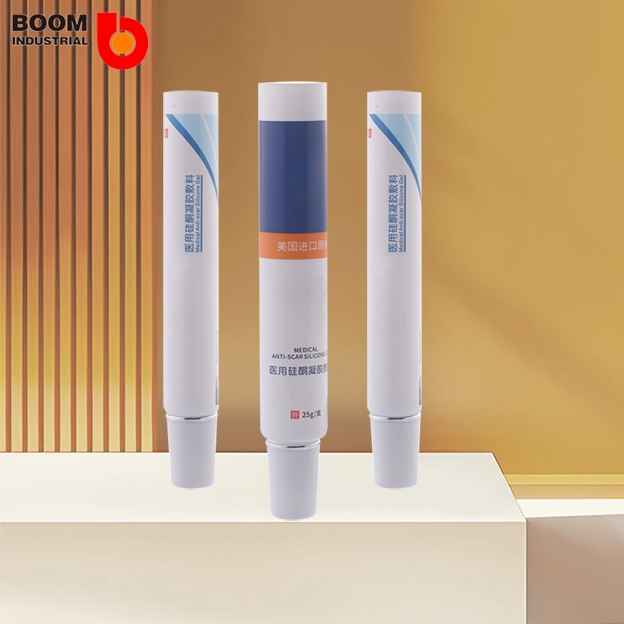
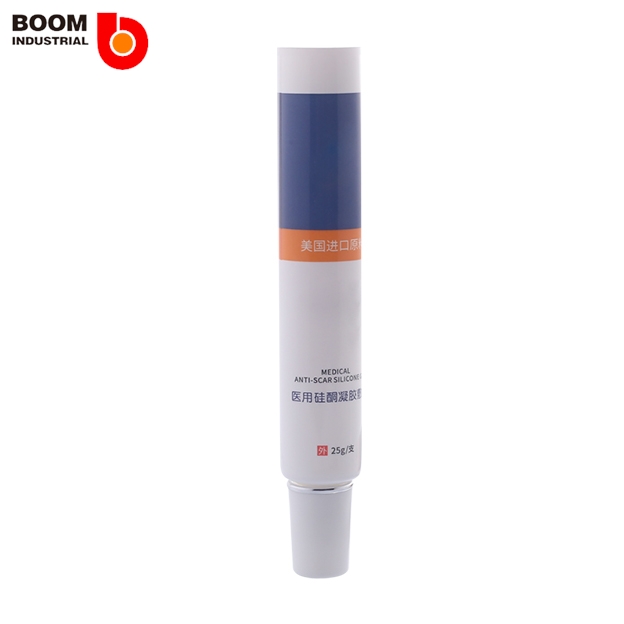
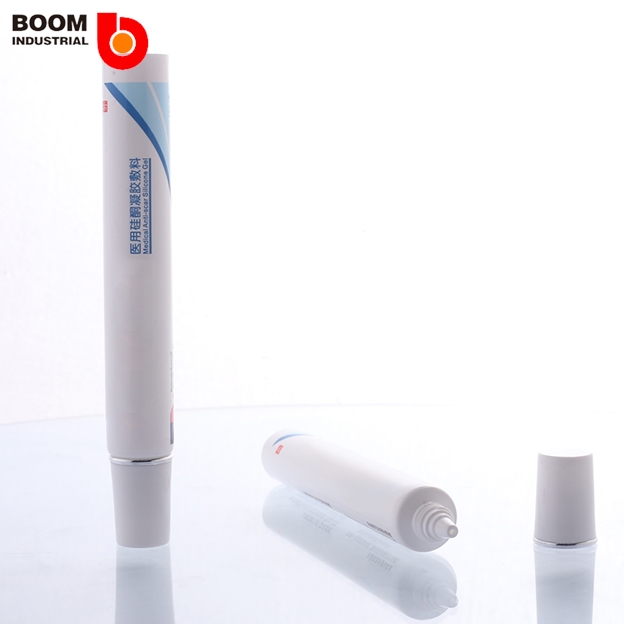
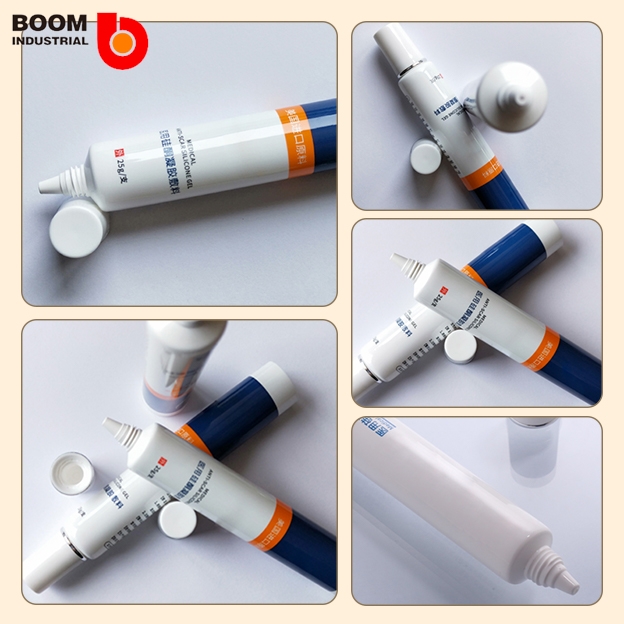
Plastic Squeeze Tubes Versus Aluminum Tubes for Cosmetics
Plastic Squeeze Tubes Versus Aluminum Tubes for Cosmetics
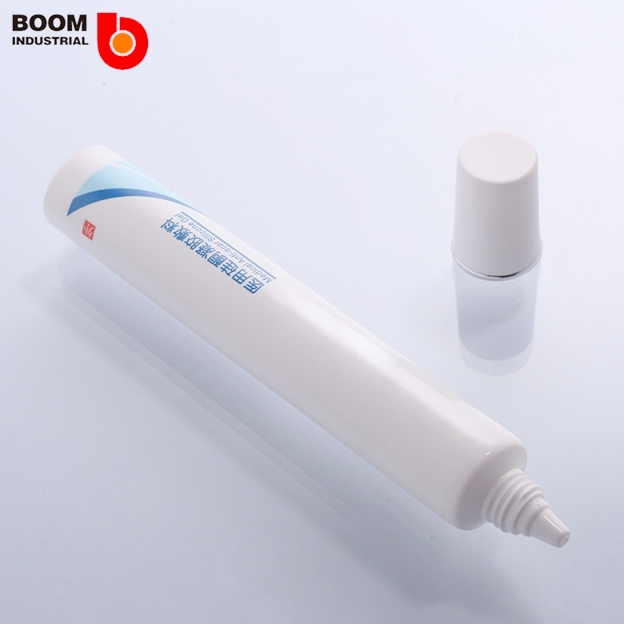
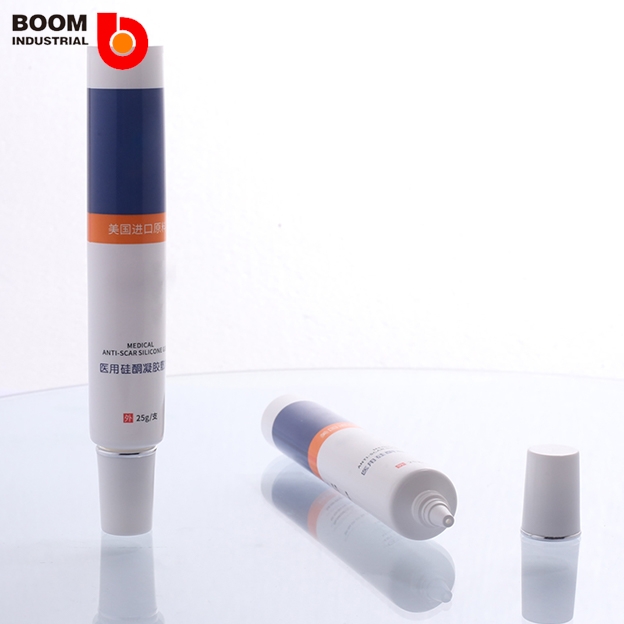
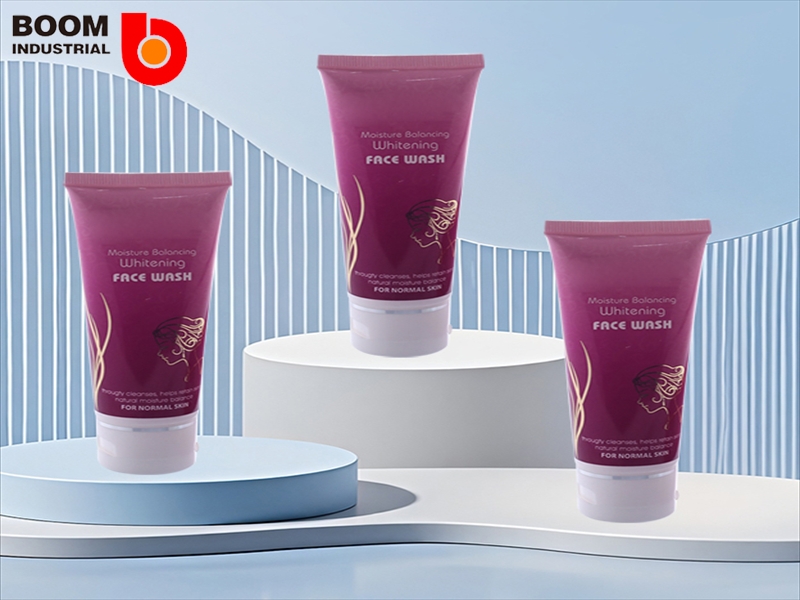
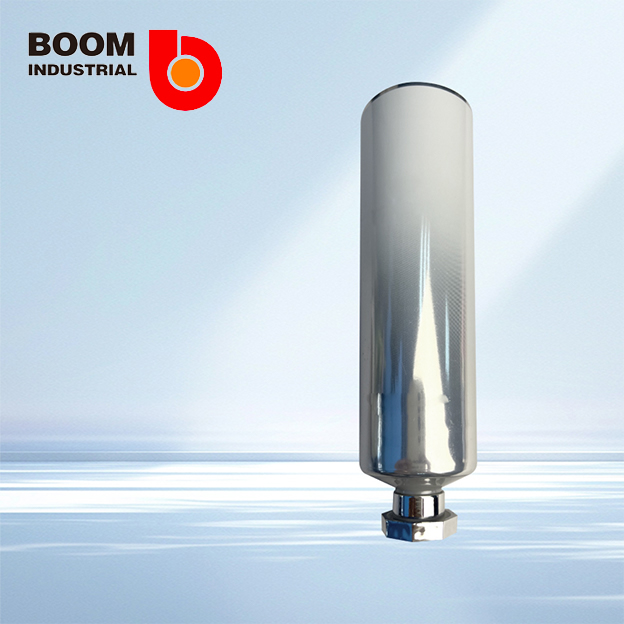
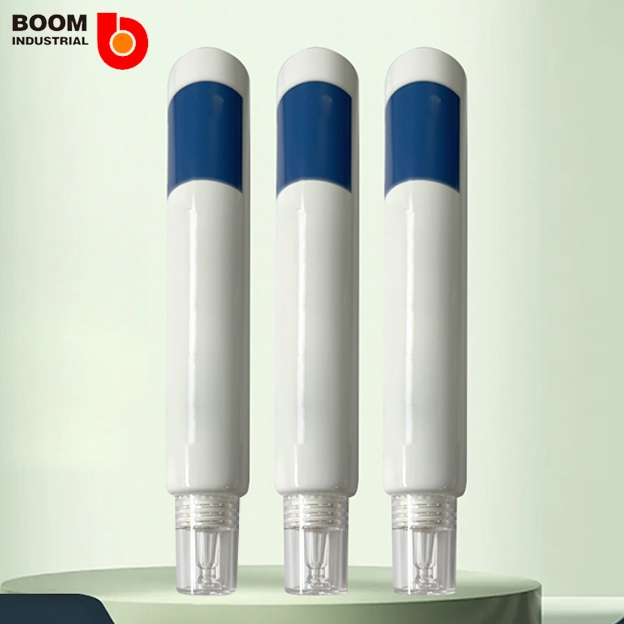
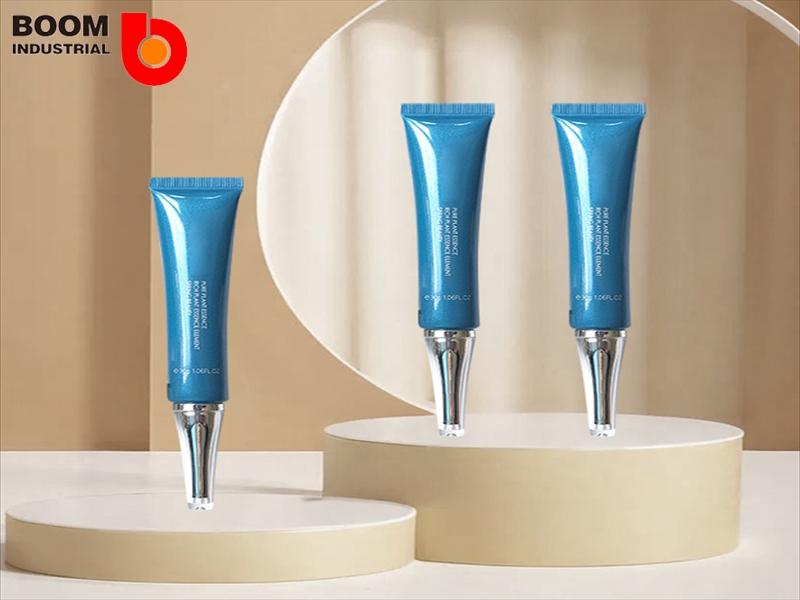
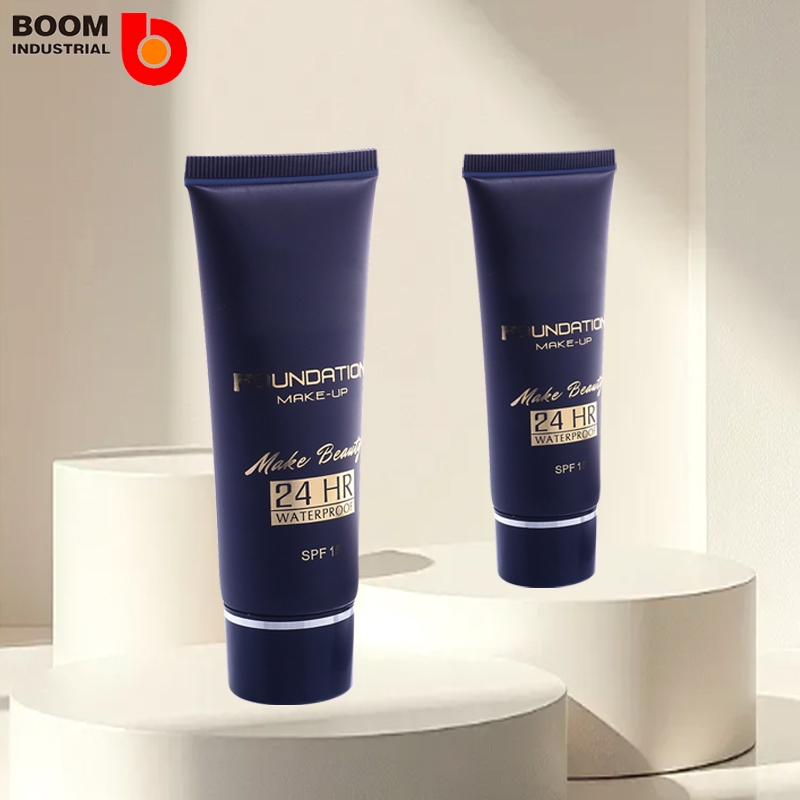
I find plastic squeeze tubes offer unmatched affordability and popularity in cosmetic packaging. Many brands rely on plastic lotion tubes for products such as lip gloss, ointments, eye serum, and scalp treatments. Aluminum tubes also serve as reliable containers for hair dye colorant, nail glue, eyeliner, and mascara.
Product Type | Common Uses |
|---|
Cosmetic Lotion | Hair dye colorant |
Cosmetic Cream | Nail glue |
Cosmetic Gel | Eyeliner and mascara |
Material, durability, aesthetics, environmental impact, cost, and user experience shape my choice of packaging for cosmetics.
Key Takeaways
Plastic squeeze tubes are affordable and popular for various cosmetic products, making them ideal for mass-market brands.
Aluminum tubes provide superior protection against air, light, and moisture, extending the shelf life of sensitive formulations.
Customization options for both tube types enhance brand identity, with plastic tubes allowing vibrant colors and aluminum tubes offering a premium metallic finish.
Plastic tubes are lightweight and easy to handle, reducing shipping costs and minimizing product waste during use.
Aluminum tubes are fully recyclable and support sustainability goals, appealing to eco-conscious consumers.
Consider the specific needs of your product when choosing packaging; plastic tubes suit everyday items, while aluminum tubes fit premium or eco-focused lines.
Both tube types can incorporate tamper-evident features, ensuring product safety and preventing contamination.
Evaluate the cost and production factors of each tube type to align with your brand's budget and consumer expectations.
Material & Design
Plastic Squeeze Tubes: Material & Design
Types of Plastics
I often choose plastic lotion tubes for their versatility and reliability. Manufacturers use several types of plastics in cosmetic squeeze tubes. These materials offer durability, chemical resistance, and customization options. I value their air-tight and water-tight properties, which keep products safe during transport and storage. The high impact strength of extruded plastic tubes allows them to withstand handling without breaking. Laminated tubes resist acids, bases, and alcohols, making them suitable for a wide range of cosmetic formulas. These plastics do not rust or corrode, and they remain unaffected by temperature or humidity changes.
Durable and resistant to chemicals
Air-tight and water-tight for product safety
High impact strength prevents breakage
Suitable for various cosmetic products
Stable under temperature and humidity changes
Flexibility & Transparency
Plastic squeeze tubes provide flexibility that makes dispensing easy. I notice that extruded plastic tubes adapt to different shapes and sizes, which helps brands create unique packaging. Laminated tubes offer transparency, allowing consumers to see the product inside. This feature enhances trust and encourages purchase. The lightweight nature of plastic lotion tubes reduces shipping costs and simplifies handling. I find that the material composition of these tubes supports both functional and aesthetic needs.
Aluminum Lotion Tubes: Material & Design
Alloy Options
Aluminum lotion tubes stand out for their strength and formability. I often see manufacturers use specific alloys to achieve desired properties. The table below summarizes the most common alloys and their characteristics:
Aluminum Alloy | Characteristics |
|---|
3003 | Excellent formability, corrosion resistance, moderate strength, suitable for various shapes and designs. |
8011 | Good combination of strength, formability, and barrier properties, often used for blister packs and foil. |
These alloys allow aluminum lotion tubes to maintain shape and protect contents from external factors.
Surface Finish
Surface finishes play a crucial role in the appeal of aluminum lotion tubes. I observe that glossy, matte, and textured coatings enhance both look and feel. Customization options such as high-resolution printing and embossing help brands express their identity. The sleek metallic finish of aluminum lotion tubes stands out visually on shelves, contributing to a premium and luxurious perception. The tactile qualities of these tubes provide a sensory experience that elevates perceived product quality. Aluminum’s sustainability credentials add value for eco-conscious consumers.
Glossy, matte, and textured coatings improve visual and tactile appeal
Customization options support brand identity
Metallic finish creates a premium look
Tactile qualities enhance product experience
Sustainability aligns with consumer values
Aesthetics
Customization
I see brands invest in customization techniques to differentiate their packaging. Both plastic squeeze tubes and aluminum lotion tubes offer several options. The table below outlines common techniques:
Customization Technique | Description |
|---|
Offset Printing | Ideal for high-volume production, enabling up to 8-color printing. |
Silk Screen Printing | Used for vibrant, tactile designs with strong color opacity. |
Hot Stamping | Adds a premium metallic accent in gold, silver, or rose gold foil. |
Labeling | Suitable for small runs or variable designs, offering cost-effective flexibility. |
Metallization and Lacquering | Creates a glossy, reflective, or frosted finish that enhances visual appeal. |
Embossing or Debossing | Provides tactile dimension for logos or brand names. |
Plastic lotion tubes allow for vibrant colors and detailed graphics. Aluminum lotion tubes provide a sleek, metallic appearance that appeals to premium branding.
Branding
Branding opportunities differ between plastic squeeze tubes and aluminum lotion tubes. I notice that aluminum tubes offer improved protection due to their heavier gauge materials. The metallic look serves as a strong selling point for brands aiming for a premium image. Plastic squeeze tubes can be customized with bright colors and detailed designs, making them ideal for playful or youthful brands. Aluminum lotion tubes deliver a professional metallic finish that appeals to luxury markets.
Tip: Choosing the right packaging material and design can elevate your brand’s visual identity and enhance consumer perception.
Feature | Plastic Squeeze Tubes | Aluminum Lotion Tubes |
|---|
Customization Options | Wide range including colors, silk-screen, hot stamping | Limited flexibility but offers a premium look |
Aesthetics | Bright colors and detailed graphics possible | Professional metallic finish available |
Sustainability | Less recyclable compared to aluminum | Fully recyclable and better product protection |
Material composition and design directly affect product protection and visual appeal. I always consider these factors when selecting packaging for cosmetics.
Durability & Protection
Plastic Squeeze Tubes: Durability
Impact Resistance
I rely on plastic squeeze tubes for their non-breakable nature. These tubes withstand drops and rough handling during shipping or daily use. I find that extruded plastic tubes offer fair durability, especially when compared to glass or brittle materials. They resist impacts and minor accidents, making them ideal for busy environments like salons or travel kits.
Tube Type | Durability Description | Impact Resistance Comparison |
|---|
Plastic Squeeze Tubes | Fairly durable, can resist impacts and minor drops, but less resistant to punctures. | Less resistant to punctures or crushing than aluminum. |
Aluminum Lotion Tubes | Highly durable, resistant to crushing or puncturing, ideal for robust packaging. | Expected to perform better in impact resistance tests. |
Plastic lotion tubes remain easy to handle and do not shatter, which reduces the risk of injury. I appreciate their lightweight design, which simplifies transportation and storage.
Leak Prevention
Plastic squeeze tubes provide reliable leak prevention. Manufacturers design these tubes with secure seals and tight closures. I notice that extruded plastic tubes and laminated tubes both minimize leaks, even when squeezed repeatedly. This feature protects cosmetic products from contamination and waste. I trust plastic lotion tubes for products that require frequent dispensing, such as creams and gels.
Aluminum Lotion Tubes: Durability
Puncture Resistance
Aluminum lotion tubes excel in puncture resistance. I choose these tubes for products that demand robust packaging. Their durable construction prevents accidental punctures, which is critical for preserving sensitive formulations.
Aluminum tubes are noted for their puncture-resistant and durable construction, suggesting they may outperform plastic tubes in terms of puncture resistance.
The collapsible form of aluminum tubes helps prevent air and moisture from entering, which can contribute to their overall durability and effectiveness in protecting contents.
I prefer aluminum lotion tubes for packaging products that must remain stable and uncontaminated.
Barrier Properties
Aluminum lotion tubes offer superior barrier properties. I observe that these tubes shield contents from air, light, and moisture. This protection extends product shelf life and maintains efficacy.
Aluminum squeeze tubes effectively shield contents from air, light, and moisture, which significantly extends product shelf life.
They prevent the oxidation of sensitive cosmetic formulas, maintaining their efficacy.
I recommend aluminum lotion tubes for packaging formulas with active ingredients or natural extracts.
Content Protection
Air & Light Barrier
I compare the protection offered by plastic squeeze tubes and aluminum lotion tubes. Aluminum tubes provide superior protection against contamination.
Aluminum is completely impermeable, forming a total barrier against oxygen, moisture, light (UV rays), and microorganisms, which helps prevent oxidation, maintain stability, and reduce contamination risks.
Plastic tubes, even multilayer ones, are semi-permeable, allowing gases and moisture to slowly pass through, compromising product stability over time.
Aluminum tubes deform permanently when squeezed, preventing air from re-entering the tube and thus minimizing contamination; plastic tubes regain their shape and can draw air and bacteria back inside.
Aluminum tubes maintain chemical stability, prevent ingredient degradation, and ensure consistent product performance, which is critical for active ingredients like retinol or vitamin C.
Aluminum tubes are internally coated to prevent reactions with formulations, making them compatible with a wide range of products, whereas plastic can absorb ingredients, leach chemicals, or alter product consistency.
Plastic packaging often requires additional layers or coatings to approach aluminum’s protection level, increasing complexity and cost without fully matching aluminum’s effectiveness.
I select aluminum lotion tubes for products that require maximum protection from environmental factors.
Shelf Life
Shelf life is a key factor in packaging selection. I rely on aluminum lotion tubes to extend the shelf life of sensitive cosmetic formulations. Metal tubes, especially aluminum, maintain product stability by preventing damage from air, moisture, and light. This protection is crucial for products containing natural ingredients or lacking preservatives.
Aluminum lotion tubes provide strong protection against environmental factors such as air, moisture, and light. This prevents issues like oxidation and photosensitivity, which can compromise the stability and shelf life of cosmetic ingredients.
Feature | Aluminum Tubes | Plastic Tubes |
|---|
Lifespan | Longer lasting | Shorter lifespan |
I find that plastic squeeze tubes offer convenience and affordability, but aluminum lotion tubes deliver unmatched durability and protection. I always consider the specific needs of each cosmetic product before choosing the right packaging.
Note: When selecting packaging, I weigh the benefits of durability and protection against cost and user experience. Aluminum lotion tubes provide the highest level of content protection, while plastic squeeze tubes offer ease of handling and leak prevention.
Environmental Impact
Plastic Squeeze Tubes: Sustainability
Recyclability
I often evaluate the recyclability of plastic squeeze tubes before recommending them for cosmetic packaging. Most tubes use polyethylene or polypropylene, sometimes in multiple layers. This composite structure complicates recycling. Many facilities cannot process these tubes efficiently, which limits their recovery rate. Brands face challenges when they want to offer sustainable packaging but must balance formula integrity and performance. For example, clay masks require tubes to maintain product quality. I see that high minimum order quantities force small brands to use more plastic than necessary, increasing waste.
Challenge | Description |
|---|
High MOQs | Small brands must order thousands of tubes, leading to excess waste. |
Formula Integrity and Performance | Some products, like clay masks, need tubes for quality, limiting alternative packaging. |
Sustainability vs. Scalability | Sustainable solutions may not scale easily, creating conflicts for mass production. |
Waste Management
Waste management practices for plastic squeeze tubes differ from those for aluminum lotion tubes. I notice that plastic tubes, especially those with multiple layers, present complex recycling issues. Many end up in landfills due to their composite nature. Aluminum lotion tubes, on the other hand, are generally recyclable and suitable for refilling. Their material properties make recycling easier and more efficient.
Plastic squeeze tubes use layered materials, complicating recycling.
Aluminum lotion tubes are easier to recycle and often reused.
Recycling challenges persist for plastic tubes, while aluminum tubes benefit from straightforward processing.
Aluminum Lotion Tubes: Sustainability
Recycling Rates
I prefer aluminum lotion tubes for their high recycling rates. Aluminum is one of the most recycled materials worldwide. Most recycling facilities accept aluminum tubes, which supports a circular economy. I see brands benefit from using aluminum lotion tubes because they align with consumer demand for sustainable packaging. The ease of recycling encourages responsible disposal and reduces environmental impact.
Energy Use
Energy use remains a consideration when I select packaging. Aluminum production requires significant energy, but recycling aluminum uses much less. I find that recycled aluminum lotion tubes conserve resources and minimize emissions. This efficiency makes aluminum lotion tubes a strong choice for brands focused on reducing their environmental impact.
Eco Trends
Industry Initiatives
I observe major beauty companies adopting eco-friendly materials such as glass, bamboo, post-consumer recycled plastics, and compostable biopolymers. Sustainable packaging is no longer limited to niche brands. Mass-market players invest in refillable containers, recyclable pouches, and dual-purpose packaging to minimize waste. Biodegradable plastics from corn starch or sugarcane, aluminum tubes, and FSC-certified paperboard cartons are becoming popular.
Brands use refillable and recyclable packaging to reduce waste.
Innovations include biodegradable plastics and aluminum lotion tubes.
Sustainable packaging options expand across the industry.
Consumer Preferences
Consumer preferences drive the shift toward sustainable packaging. The market for eco-friendly packaging is projected to reach $500 billion by 2027. I see that consumers value convenience and eco-friendliness, especially in squeeze tube packaging. Brands respond by innovating with recyclable and refillable options. Consumers play a key role by choosing packaging that supports waste reduction and environmental impact.
Note: I recommend brands prioritize packaging that balances product protection, recyclability, and sustainability. Aluminum lotion tubes offer strong environmental benefits, while plastic squeeze tubes require careful waste management.
Cost & Production
Plastic Squeeze Tubes: Cost Advantage
Manufacturing Costs
I often select extruded plastic tubes for cosmetics because they offer a clear cost advantage. Manufacturers produce these tubes using efficient processes that keep unit prices low. Laminated tubes also provide affordable options for brands seeking reliable packaging. The cost per unit for plastic squeeze tubes usually ranges from $0.05 to $0.18. Factors such as wall thickness, recycled content, and UV-resistant additives influence the final price. I notice that brands targeting mass-market products prefer plastic squeeze tubes due to their budget-friendly nature.
Tube Type | Cost Range (per unit) | Cost Drivers |
|---|
Aluminum Collapsible Tubes | $0.25–$0.80 | Aluminum thickness, internal coatings, sealing complexity |
Plastic (PE) Squeeze Tubes | $0.05–$0.18 | Wall thickness, virgin vs recycled content, additives for UV resistance |
Medicated Creams | $0.35–$0.65 | Material costs, compliance/testing requirements |
Hand Creams/Lotions | $0.20–$0.35 | Material costs, moderate barrier needs, emphasis on cost efficiency |
Shipping Savings
Plastic squeeze tubes weigh less than aluminum lotion tubes. I find that this lightweight design reduces shipping costs for brands. Extruded plastic tubes and laminated tubes stack efficiently, which lowers transportation expenses. Brands benefit from these savings, especially when distributing products globally. I recommend plastic squeeze tubes for companies aiming to minimize logistics costs.
Aluminum Lotion Tubes: Cost Factors
Material Pricing
Aluminum lotion tubes require higher material investment. The price per unit ranges from $0.25 to $0.80, depending on thickness and internal coatings. I see that fluctuations in raw material prices impact the overall cost of aluminum tubes more than plastic tubes. Brands must account for these changes when planning packaging budgets.
Production Complexity
Production complexity increases the price of aluminum lotion tubes. Specialized machinery and additional steps, such as sealing and coating, add to manufacturing costs. Design complexity also affects pricing. Intricate shapes or finishes require more production time and expertise. I advise brands to consider these factors when choosing aluminum lotion tubes for premium products.
Material selection significantly affects retail pricing, with aluminum generally being more expensive than plastic due to higher production costs.
Design complexity plays a role; intricate designs require specialized machinery and more production time, leading to increased costs.
Retail Impact
Price to Consumer
I observe that packaging choices influence retail prices. Products in aluminum lotion tubes often cost more at the point of sale. Consumers pay a premium for enhanced protection and aesthetics. Plastic squeeze tubes allow brands to offer competitive pricing, making cosmetics accessible to a wider audience.
Value Perception
Consumer perception of value differs between tube types. Aluminum tubes appear more premium due to durability and aesthetics. Plastic tubes associate with lower cost and mass-market products. I notice that aluminum lotion tubes enhance brand image and signal higher quality.
Feature | Aluminum Tubes | Plastic Tubes |
|---|
Perceived Value | More premium due to durability and aesthetics | Associated with lower cost and mass-market products |
Protective Qualities | Superior protective qualities | Less protective compared to aluminum |
Brand Image | Enhances brand perception | May detract from premium branding |
Tip: I recommend brands weigh cost and production factors against consumer expectations and product positioning. Packaging impacts both price and perceived value in the cosmetics market.
User Experience
Plastic Squeeze Tubes: Dispensing & Handling
Ease of Use
I always appreciate the convenience that plastic squeeze tubes provide. Their flexible design allows me to dispense cosmetic products with minimal effort. I can control the amount of lotion or cream I use, which prevents spills and messes. The lightweight structure makes these tubes easy to carry in a purse or travel kit. I notice that many consumers prefer plastic squeeze tubes because they require no special technique to open or squeeze. The air-tight packaging solution ensures that the product stays fresh and uncontaminated until the last drop.
Waste Reduction
Plastic squeeze tubes help me minimize product waste. I can squeeze out nearly all of the contents, leaving little residue behind. The collapsible nature of these tubes allows me to roll or flatten them as I use the product. This feature reduces leftover waste and maximizes value for money. I find that brands often design plastic tubes with narrow openings, which further controls dispensing and prevents overuse. Consumers benefit from efficient packaging that supports waste reduction.
Tip: Choosing packaging that reduces waste can improve customer satisfaction and support brand loyalty.
Aluminum Lotion Tubes: User Experience
Dispensing Control
Aluminum lotion tubes offer precise dispensing control. I notice that these tubes require a gentle squeeze, which helps me release small amounts of product. The rigid structure prevents accidental spills and ensures consistent dosing. Aluminum tubes maintain their shape after use, which prevents air from re-entering and keeps the contents stable. This feature is especially important for formulas that require strict protection from air and light.
Portability
I find aluminum lotion tubes to be highly portable. Their durable construction protects the product during travel or daily use. Although they weigh slightly more than plastic tubes, aluminum tubes resist crushing and punctures. I can rely on these tubes to maintain product integrity, even in harsh conditions. The sustainability profile of aluminum tubes appeals to eco-conscious consumers who value both durability and environmental responsibility.
Safety & Hygiene
Tamper Evidence
Safety remains a top priority for cosmetic packaging. I prefer tubes with tamper-evident features, such as sealed caps or breakable rings. These additions reassure me that the product has not been opened or contaminated before purchase. Both plastic squeeze tubes and aluminum lotion tubes can incorporate tamper evidence, but aluminum tubes often provide more robust protection due to their rigid structure.
Contamination Prevention
Contamination prevention is essential for maintaining product quality. I trust aluminum lotion tubes for their superior barrier properties. The metal construction prevents air, moisture, and bacteria from entering the tube. Plastic squeeze tubes also offer good protection, especially when designed with secure closures and air-tight seals. I recommend brands prioritize packaging that keeps cosmetic products safe from external contaminants.
Type | Advantages | Disadvantages |
|---|
Aluminum Squeeze Tubes | Excellent barrier properties; durable; recyclable; maintains product integrity. | More expensive; less flexible than plastic tubes. |
Plastic Squeeze Tubes | Lightweight; flexible; cost-effective; resistant to breakage. | Weaker barrier than aluminum; less eco-friendly. |
I compare overall consumer satisfaction and accessibility between tube types. Plastic squeeze tubes excel in ease of use and waste reduction, making them popular for everyday products. Aluminum lotion tubes provide enhanced protection and premium appeal, which attracts consumers seeking quality and sustainability.
I weigh plastic squeeze tubes and aluminum lotion tubes by material, durability, aesthetics, environmental impact, cost, and user experience. Plastic tubes deliver affordability and convenience. Aluminum tubes provide superior protection and sustainability. I recommend plastic squeeze tubes for mass-market products and aluminum tubes for premium or eco-focused lines. Brands must balance budget, product needs, and environmental goals. Choosing the right packaging elevates brand value and meets consumer expectations.
Tip: I always match packaging to product requirements and brand strategy for optimal results.
FAQ
What are the main benefits of plastic squeeze tubes for cosmetics?
I prefer plastic squeeze tubes because they offer affordability, flexibility, and easy dispensing. Their lightweight design reduces shipping costs. These tubes work well for mass-market packaging products and support vibrant branding.
How do aluminum squeeze tubes protect cosmetic formulas?
Aluminum squeeze tubes create a strong barrier against air, light, and moisture. I rely on them to extend shelf life and maintain product stability. They prevent oxidation and contamination, which is essential for sensitive ingredients.
Can I recycle cosmetic tubes easily?
Most aluminum tubes recycle efficiently at standard facilities. Plastic squeeze tubes often contain multiple layers, making recycling more difficult. I recommend checking local recycling guidelines before disposing of cosmetic packaging products.
Which tube type is better for eco-conscious brands?
I choose aluminum tubes for brands focused on sustainability. Aluminum offers high recycling rates and supports circular economy goals. Plastic tubes require careful waste management and may not align with strict eco-friendly standards.
Are there differences in user experience between tube types?
Plastic squeeze tubes provide easy handling and waste reduction. Aluminum tubes offer precise dispensing and superior protection. I select tube types based on product needs and consumer preferences.
What customization options exist for cosmetic tubes?
Both tube types allow for printing, embossing, and labeling. I use plastic tubes for vibrant colors and detailed graphics. Aluminum tubes deliver a premium metallic finish, which enhances luxury branding.
How do I decide which tube to use for my product?
I consider formula sensitivity, budget, branding goals, and sustainability targets. Plastic squeeze tubes suit affordable, everyday products. Aluminum squeeze tubes fit premium or eco-focused packaging products.
Tip: I always match tube material to product requirements and brand strategy for optimal results.