Vaginal Tubes vs Applicators: Which Delivers Medication Most Effectively in 2026
Vaginal Tubes vs Applicators: Which Delivers Medication Most Effectively in 2026
I have seen firsthand that in 2026, combination devices like the vaginal tube with applicator deliver medication most effectively. Recent innovations have improved dosing accuracy and patient comfort. I always focus on how a vaginal tube can align with a user’s needs. The following table highlights how applicators outperform manual implantation for accuracy and patient experience:
Advantage
Applicator Templates
Manual Implantation
Operation Time
Shortened
Longer
Patient Pain
Reduced
Increased
Needle Fixity
High, does not shift
Low, prone to displacement
Accuracy
Improved
Poor
Error Rate
Reduced
Higher
I recommend the vaginal tube with applicator for anyone seeking precision and ease. I value how the vaginal tube supports excellent alignment and higher compliance. I find that the vaginal tube stands out for device compatibility and dosing control.
Applicators improve dosing accuracy and reduce patient discomfort during medication delivery.
Using a metered applicator ensures precise dosing, which helps prevent under- or overdosing.
Patients report higher compliance and satisfaction when using applicators compared to manual methods.
Hygiene is crucial; always wash hands and follow cleaning instructions for reusable applicators.
Applying medication at bedtime can enhance comfort and minimize leakage.
Consider the type of medication when choosing between single-use and multiple-use applicators.
Stay informed about new applicator designs and innovations that improve user experience and health outcomes.
Vaginal Tube and Applicator Basics
What Is a Vaginal Tube?
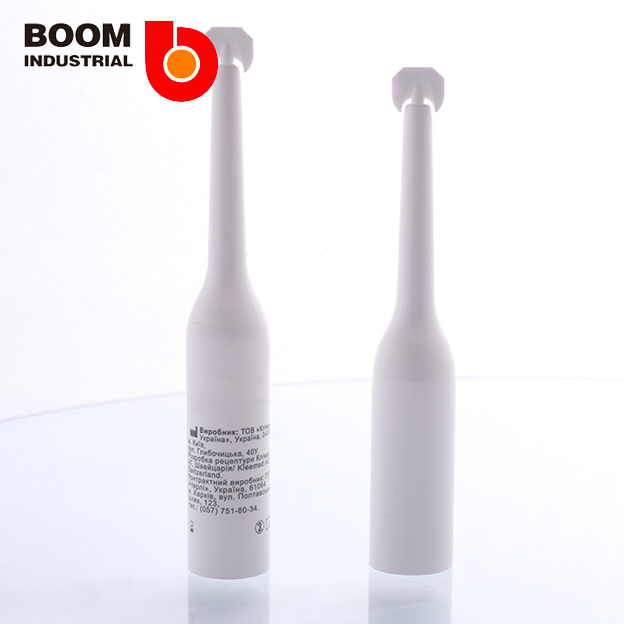
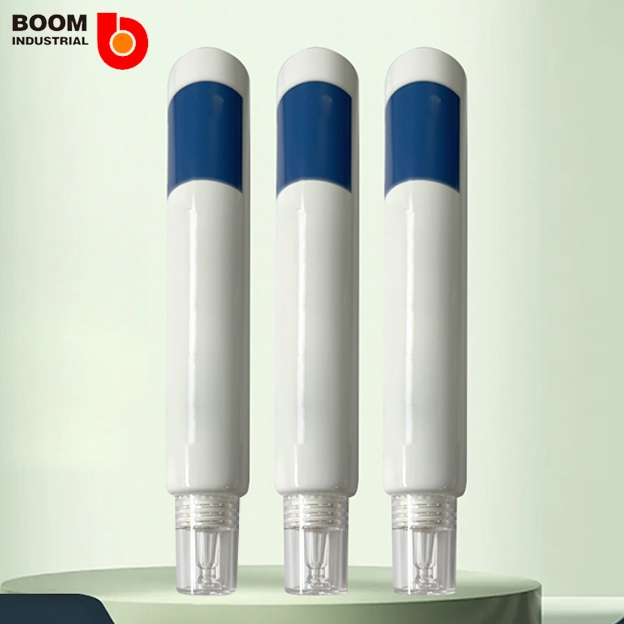
A vaginal tube serves as a container and delivery system for medications like creams, gels, or tablets. I often see these tubes made from flexible plastic. They allow users to squeeze out the medication directly or attach an applicator for more precise delivery. The design focuses on simplicity and compatibility with a range of medications.
Common Designs
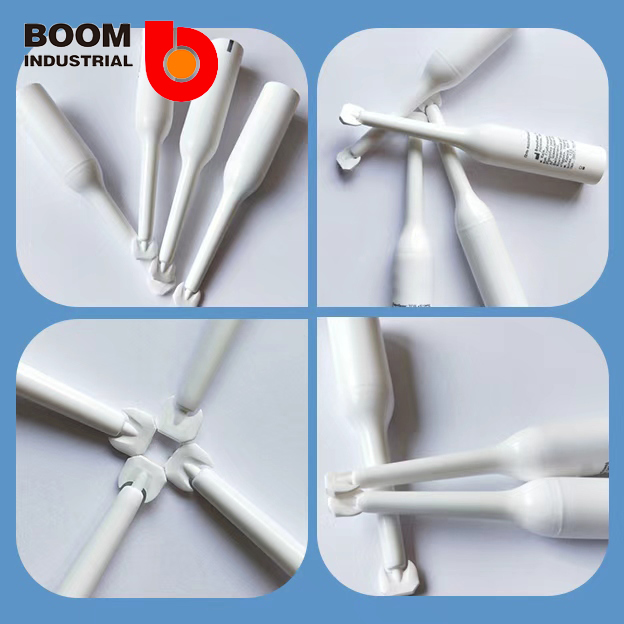
Most vaginal tubes feature a threaded tip that connects securely to an applicator. Some tubes come pre-filled, while others require the user to load the medication. I notice that manufacturers now offer tubes in various sizes to match different treatment regimens. Many tubes use materials that maintain medication stability and prevent contamination.
Medication Delivery Process
When I use a vaginal tube, I start by attaching the applicator to the tube’s tip. I squeeze the tube to fill the applicator to the correct dose. This process ensures that the medication reaches the intended area inside the vagina. The tube’s design helps minimize waste and supports accurate dosing.
What Is an Applicator?
An applicator is a device that delivers medication from a vaginal tube into the vagina. I rely on applicators to improve dosing accuracy and comfort. The applicator can be a simple plunger or a more advanced device with metered dosing. I find that the right applicator makes the process easier and more hygienic.
Types (Single Use, Multiple Use Applicator)
I often choose between a single use or a multiple use applicator. A single use applicator comes pre-sterilized and is discarded after one application. This option reduces the risk of infection. A multiple use applicator is designed for repeated use with proper cleaning. I appreciate the environmental benefits and cost savings of a multiple use applicator, especially for long-term treatments. Many patients prefer the convenience of a multiple use applicator, as it reduces waste and offers consistent performance. I always remind users to follow cleaning instructions to maintain hygiene with a multiple use applicator. In my experience, a multiple use applicator can last through an entire course of therapy when cared for properly.
How Applicators Work
The applicator works by holding a measured dose of medication and releasing it inside the vagina. I fill the applicator by attaching it to the vaginal tube and squeezing the tube until the medication reaches the marked line. Then, I insert the applicator and press the plunger to deliver the medication. Some applicators use advanced materials like hydrogels, which can act as physical barriers and control drug release. I have seen applicators that immobilize sperm or block pathogens, adding extra protection during treatment.
Key Differences
I notice several key differences between a vaginal tube and an applicator. The vaginal tube stores and dispenses the medication, while the applicator ensures accurate placement inside the vagina. A vaginal applicator provides better dosing control and reduces mess. Combination devices, such as the vaginal tube with applicator, integrate both functions for optimal results. I find that a multiple use applicator offers sustainability and convenience, especially for patients who need repeated treatments. The choice between a single use or multiple use applicator depends on personal preference, treatment duration, and hygiene needs.
Tip: Always follow your healthcare provider’s instructions when using a vaginal applicator or multiple use applicator to ensure safe and effective treatment.
I have found that the right combination of vaginal tube and applicator can make a significant difference in treatment outcomes. The latest designs focus on user comfort, precise dosing, and compatibility with a wide range of medications.
Effectiveness of Medication Delivery
Clinical Evidence (2024-2026)
Absorption and Precision
I have seen many patients ask about absorbency and dosing precision when using vaginal tubes and applicators. I always look for clinical data to guide my recommendations. Recent studies show that a single intravaginal dose of 5 g metronidazole vaginal gel produces a mean maximum serum concentration of 237 ng/mL. This is only about 2% of the concentration achieved with a 500 mg oral dose. The peak serum concentrations for vaginal gel occur in 6 to 12 hours, while oral dosing reaches its peak in 1 to 3 hours. The area under the curve for vaginal administration is roughly 4% of that for oral administration. These numbers highlight that absorbency is lower with vaginal delivery, but the medication targets the site directly. I value the precision that applicators provide, especially with metered dosing. I notice that applicators help patients achieve consistent dosing, which supports patient compliance and improves health outcomes.
Absorbency rates for vaginal medications remain lower than oral routes, but applicators ensure the medication reaches the intended area.
Metered applicators allow for precise dosing, reducing the risk of under- or overdosing.
I find that patient compliance increases when patients use applicators with clear dose markings.
User Experience
Comfort and Ease of Use
Comfort is a top priority for me when recommending medication delivery devices. I always ask patients about their experience with applicators and vaginal tubes. Surveys show that applicators receive a user rating of 4.2 stars on Amazon, which reflects positive feedback for ease of use. Many patients report that applicators make insertion simple and comfortable. I have seen applicators designed for easy insertion of vaginal suppositories, which improves comfort for most users. However, I remind new users, especially those with vaginal dryness, to be cautious. Sometimes, fingers offer more comfort for insertion, but applicators provide better dosing accuracy. I encourage patients to choose the method that maximizes comfort and supports their health.
I recommend applicators for patients who value dosing precision and comfort.
Some patients with vaginal dryness may prefer manual insertion for greater comfort.
Hygiene and Safety
Hygiene plays a crucial role in medication delivery. I always instruct patients to wash their hands before and after using an applicator. I prefer single use applicators for their hygiene benefits, but multiple use applicators offer sustainability when cleaned properly. I advise patients to follow cleaning instructions to maintain hygiene and protect their health. Safety tips include applying medication at bedtime to minimize leakage and using a panty liner for added comfort. I remind patients to avoid sexual activity immediately after application to prevent transferring medication. I also recommend refraining from using tampons during treatment to support absorbency and health.
Tip: Always follow your healthcare provider’s instructions for hygiene and comfort when using an applicator.
Expert Opinions
I consult gynecologists and pharmacists regularly to stay updated on best practices. Most experts recommend using a vaginal tube with applicator for intravaginal creams or gels. They advise applying medication at bedtime to maximize comfort and absorbency. Experts emphasize the importance of hygiene, recommending thorough hand washing after use. They also suggest avoiding tampons during treatment to support absorbency and health. I trust expert guidance to help patients achieve optimal comfort, patient compliance, and health outcomes.
Expert Recommendation
Applicator
Vaginal Tube
Comfort
High
Moderate
Absorbency
Targeted
Targeted
Hygiene
High
Moderate
Patient Compliance
High
Moderate
I believe that applicators, especially combination devices like the vaginal tube with applicator, deliver medication most effectively. I see higher patient compliance, improved comfort, and better health outcomes when patients use applicators. I always match the device to the patient’s needs, focusing on absorbency, comfort, hygiene, and patient compliance.
Factors Affecting Device Performance
Medication Type and Compatibility
Creams, Gels, Tablets
I always consider the type of medication before recommending a device. Creams and gels often require an applicator for precise delivery. I find that using an applicator with vaginal tablets ensures the medication reaches the correct area. Vaginal tablets and vaginal inserts have become more common in recent years. I notice that the fda has approved several new vaginal tablets for targeted therapy. Mechanical stability is crucial for these products. The applicator must hold the vaginal tablets securely during insertion. I have seen that mechanical stability prevents breakage and ensures the vaginal tablets dissolve at the intended site. The fda requires that applicators used with vaginal tablets meet strict safety standards. I always check that the applicator is compatible with the medication. Some applicators work better with gels, while others are designed for vaginal tablets. Mechanical stability and safety remain top priorities for me when matching an applicator to a specific medication.
User Technique
Proper Insertion
I teach patients how to use an applicator correctly. Proper insertion starts with washing hands and following the cleaning procedure for reusable applicators. I instruct patients to load the vaginal tablets or cream into the applicator, then insert it gently. Mechanical stability helps the applicator guide the vaginal tablets into place. I remind patients to follow the fda-approved instructions for each applicator. The cleaning procedure after each use is essential for safety. I always emphasize that a consistent cleaning procedure prevents contamination and supports safety.
Common Mistakes
I see several common mistakes when patients use an applicator for vaginal tablets or vaginal inserts:
Not following the cleaning procedure, which can lead to infection.
Skipping handwashing before and after using the applicator.
Ignoring the measurement marks on the applicator, resulting in incorrect dosing of vaginal tablets.
Forcing the applicator, which can cause discomfort and affect mechanical stability.
Failing to clean reusable applicators thoroughly, which the fda warns can compromise safety.
Tip: Always follow the cleaning procedure and fda guidelines for each applicator to ensure safety and mechanical stability.
Device Design and Innovation
Advances in Applicators
I have seen significant advances in applicator design. Metered applicators now offer consistent dose delivery for vaginal tablets and gels. Built-in metering chambers prevent under- or overdosing. Clear dosage markings make it easy to confirm the amount of vaginal tablets delivered. These features improve mechanical stability and safety. The fda has recognized these innovations as important for patient outcomes. I also notice that applicators with hydrophobic barriers and interweaved fibers increase mechanical stability and safety. The fda requires that all new applicator designs undergo rigorous testing for safety and mechanical stability.
Feature
Description
Consistent dose delivery
Ensures the same amount is delivered with each use.
Built-in metering chambers
Prevents both under- and overdosing.
Clear dosage markings
Allows for easy visual confirmation of the amount used.
Reduced mess and contamination
Minimizes the risk of spills and contamination during use.
Multiple Use Applicator Hygiene
I always stress the importance of a thorough cleaning procedure for multiple use applicators. The fda recommends washing the applicator with warm, soapy water after each use. I instruct patients to dry the applicator completely before storing it. Mechanical stability depends on proper maintenance. If the cleaning procedure is not followed, the applicator may lose mechanical stability and compromise safety. I remind patients that a reusable applicator for vaginal tablets or vaginal inserts must be cleaned after every use. The fda has issued clear guidelines for cleaning procedure and storage. I always review these steps with patients to ensure safety and mechanical stability throughout the treatment.
Comparing with Tampons and Menstrual Products
Tampons vs Applicators
I often receive questions about how tampons compare to applicators for medication delivery. Tampons have a long history as menstrual products, but their role in medication delivery has evolved. I have seen tampons used for self-collection in HPV and STI testing. Many patients appreciate the privacy and flexibility that tampons offer. In recent studies, 90% of participants preferred tampon self-collection over traditional swabs. This preference highlights the comfort and autonomy that tampons provide.
When I compare tampons to applicators, I focus on user experience and effectiveness. Applicators deliver medication directly to the target area. Tampons, especially applicator-free tampons, do not provide the same dosing accuracy. I find that applicators, including the best applicator tampon options, offer more control over medication placement. Tampons, on the other hand, excel in sample collection and menstrual management.
Here is a quick comparison:
Feature
Tampons
Applicators
Medication Delivery
Indirect, less precise
Direct, highly precise
User Preference
High for self-collection
High for dosing accuracy
Hygiene
Disposable, convenient
Single or multiple use
Comfort
Familiar for many
Designed for easy insertion
I recommend the best applicator-free tampon for those who prioritize comfort during their period. For medication delivery, I choose the best organic applicator tampon or the best applicator tampon for precise dosing. I also consider organic cotton tampons for patients who prefer natural materials. Non-applicator tampons remain popular for their simplicity, but they do not match the precision of applicators.
Menstrual and Period Considerations
Using Medication Devices During Periods
I always discuss menstrual and period considerations with my patients. Using medication devices during a period requires special attention. Menstrual flow can affect how medication spreads and absorbs. I advise patients to avoid using tampons at the same time as vaginal medication. Tampons may absorb the medication, reducing its effectiveness.
During a period, I suggest using an applicator for medication delivery. The best applicator tampon ensures the medication reaches the correct area. I find that menstrual products like tampons can interfere with treatment if used together with medication devices. I recommend applying medication at bedtime, when menstrual flow is lighter. This timing helps maximize absorption and comfort.
Many patients ask about using applicator-free tampons or the best applicator-free tampon during their period. I explain that these products are excellent for menstrual management but should not be used with medication devices. I also highlight the importance of following healthcare provider instructions. The best organic applicator tampon offers a balance of comfort and dosing accuracy for those who prefer organic options.
Tip: Always consult your healthcare provider before combining menstrual products and medication devices during your period.
I encourage patients to choose the right product for their needs. Menstrual products like tampons provide reliable period management. Applicators deliver medication with precision. Understanding the strengths of each option helps patients achieve the best outcomes.
Pros and Cons Summary
Vaginal Tube Strengths and Weaknesses
I often recommend vaginal tubes for patients who want a reliable medication delivery method. I see that vaginal tubes bypass first-pass hepatic metabolism, which means the medication acts directly at the site. I notice fewer anticholinergic side effects with vaginal tubes compared to oral medications. Many patients benefit from extended-release therapy, which improves adherence. I find that vaginal tubes are well-tolerated by vaginal tissues and use a non-toxic polymeric matrix. I have summarized the main strengths and weaknesses in the table below:
Strengths
Weaknesses
Bypasses first-pass hepatic metabolism
Potential for device-related discomfort
Fewer anticholinergic side effects
Limited long-term data on safety
Enables extended-release therapy
Requires user compliance for insertion/removal
Improved patient adherence
Well-tolerated by vaginal tissues
Non-toxic polymeric matrix
I always remind patients that user compliance is essential for successful treatment. I encourage them to follow instructions for insertion and removal. I also discuss the importance of hygiene to reduce the risk of toxic shock syndrome, especially when using organic tampons or other organic products alongside vaginal tubes.
Applicator Strengths and Weaknesses
When I use an applicator, I appreciate the precise and consistent medication delivery it provides. I rely on the mechanical robustness of modern applicators, which increases my confidence during use. I have seen applicators with homogeneous hair distribution, which helps with even application. However, I have also encountered variability in applicator performance. Some brands show deformation or poor hair distribution, which can affect outcomes. I notice that user dependency is a challenge, as applicator selection often depends on physician experience. Technical challenges, such as poor drug loading capacity and dosing inconsistency, sometimes occur, especially with dissolving microneedle applicators. Manufacturing complexity and regulatory hurdles can limit the availability of new applicator designs. I always look for applicators that meet high standards for safety and performance.
Applicators deliver medication with precision and consistency.
Mechanical robustness enhances user confidence.
Variability in performance and technical challenges can affect outcomes.
User dependency and regulatory hurdles may limit options.
I always educate patients about the risk of toxic shock syndrome, especially when using applicators with organic tampons or other organic menstrual products.
Cost, Access, and Environment
I consider cost, accessibility, and environmental impact when recommending vaginal tubes or applicators. Vaginal tubes often use higher-cost materials, such as glass alternatives, but innovations like bio-resin bottles and AI refill stations are reducing costs. I find vaginal tubes lightweight, hygienic, and compact, which makes them ideal for travel and single-use intimate care. Over 55% of intimate care lines now use tubes, reflecting their popularity. Applicators remain convenient and discreet, especially for organic tampons and organic menstrual products, but additional packaging can increase costs.
Aspect
Vaginal Tubes
Applicators (e.g., tampon applicators)
Cost
Higher cost materials, but innovations reduce costs
Convenient, may involve extra packaging costs
Accessibility
Lightweight, hygienic, compact, favored for travel
Convenient, discreet, popular for organic tampons
Environmental Impact
Challenges with recyclability, but growth in sustainable tubes using biodegradable materials, recycled plastics, and recyclable aluminum; zero-waste refill stations improve sustainability
Both packaging types face recyclability and environmental concerns
I always discuss environmental impact with patients. Single-use applicators and tubes create ongoing waste, which adds to the environmental burden. I see that single-use applicators contribute significantly to landfill waste and greenhouse gas emissions. Compostable applicators often end up in landfills due to hygiene concerns. Reusable menstrual products, such as organic tampons with reusable applicators, offer more sustainability, but sterilization can offset some benefits. In the UK, disposable menstrual products generate about 26,903 tonnes of waste annually, with 4% lost in the environment by flushing. I encourage patients to consider organic options and reusable applicators to reduce waste and lower the risk of toxic shock syndrome.
Note: Always follow your healthcare provider’s advice when choosing between vaginal tubes, applicators, organic tampons, and other organic menstrual products. Proper hygiene and awareness of toxic shock syndrome are essential for safe use.
Recommendations for 2026
Choosing the Right Device
When I help patients select a vaginal medication delivery device, I focus on individual needs and treatment goals. I always ask about comfort, ease of use, and dosing accuracy. The applicator stands out for its ability to deliver medication precisely where it is needed. I recommend considering the type of medication—creams, gels, or tablets—and how well each device works with it. I find that the applicator offers consistent results, especially for those who value hygiene and minimal mess. I encourage patients to try both single-use and multiple-use applicators to see which fits their lifestyle best. I also remind users to follow instructions for cleaning and storage to maintain safety.
Tip: I always suggest applying medication at bedtime with an applicator to reduce leakage and improve comfort.
Advice for Healthcare Providers
I rely on several key factors when guiding patients. I use the following table to summarize what I consider during device selection:
I always assess vaginal pH and mucosal health before recommending an applicator. I check for any sensitivities that could affect comfort or compliance. I make sure the applicator matches the medication and meets regulatory standards. I educate patients on proper technique and hygiene to prevent complications. I believe that ongoing communication helps patients feel confident using an applicator.
Future Trends
I see exciting changes ahead for vaginal medication delivery. I expect the applicator to remain central as new formulations and devices emerge. Here are some trends I am watching:
The applicator is gaining recognition for its role in women’s health, offering targeted delivery and low side effects.
Advances in formulation science and applicator design are overcoming past barriers.
New applicator systems, such as mucoadhesive polymers, are addressing issues like slow dissolution and short residence time.
I believe that the applicator will continue to evolve, offering better outcomes and more choices for patients. I look forward to seeing how these innovations improve women’s health in the coming years.
I have seen that the applicator delivers medication most effectively in 2026. Matching the applicator to the medication type and user preference increases adherence and comfort. The applicator supports precise dosing and easy use. I value how the applicator adapts to creams, gels, and tablets. Ongoing innovation shapes the applicator’s future:
Applicator features improve antimicrobial treatment.
Applicator innovations meet specific patient needs.
I recommend consulting a healthcare provider to select the best applicator for your treatment.
FAQ
How do I choose the right applicator for my medication?
I always check the medication type and consult my healthcare provider. Applicator designs vary for creams, gels, and tablets. Suitability testing helps me confirm the best option for my treatment.
Can I reuse an applicator for multiple doses?
I clean a reusable applicator with warm, soapy water after each use. I dry it completely before storing. I follow manufacturer instructions to maintain hygiene and mechanical stability.
What should I do if the applicator feels uncomfortable?
I adjust my insertion technique and use a water-based lubricant if needed. I avoid forcing the applicator. If discomfort persists, I contact my healthcare provider for guidance.
How does an applicator improve dosing accuracy?
I rely on applicator markings and metered chambers to deliver precise doses. This reduces the risk of under- or overdosing. I find applicator technology supports consistent medication placement.
Is it safe to use an applicator during my period?
I avoid using an applicator with tampons. Menstrual flow can affect medication absorption. I apply medication at bedtime for best results and consult my provider for specific advice.
What is patient acceptability evaluation for applicator devices?
Patient acceptability evaluation measures how comfortable and easy patients find applicator use. I consider feedback from surveys and clinical studies to recommend the most user-friendly applicator.
Can I use an applicator for all vaginal medications?
I check compatibility with my medication. Some applicators work best for gels, others for tablets. I always follow instructions and consult my provider to ensure safe and effective use.
How do I maintain hygiene with a multiple use applicator?
I wash the applicator after every use. I dry it thoroughly and store it in a clean place. I follow cleaning guidelines to prevent contamination and maintain safety.
Tip: I always follow my healthcare provider’s instructions for applicator use and hygiene.
We have our own R&D and design team to ensure we can customize products according to customer needs and provide comprehensive packaging solutions.
Consistent Quality
From supplier selection to raw material procurement, and from the production process to finished product quality inspection and laboratory testing, our factory conducts meticulous monitoring at every step.
Competitive Prices
We supply directly from the factory, providing you with high-quality products, unparalleled production speed, and costs below market standards.
Team
Our company has an excellent team that can provide comprehensive services. At the same time, we are equipped with the most advanced and complete facilities to ensure that we can design and customize according to your diverse needs.