PET LDPE and Poly Plastic Tubes Which Is More Sustainable in 2026
PET LDPE and Poly Plastic Tubes Which Is More Sustainable in 2026
I consider PET the most sustainable packaging plastic tube material in 2026. I base this view on high recyclability, strong durability, and effective use in packaging. PET and HDPE both show impressive mechanical strength, but HDPE offers a lower cost. For packaging plastic tube choices, I look at environmental impact, recyclability, cost, and durability. I see laminated and extruded packaging plastic tube options using PET, LDPE, and Poly materials. These factors shape my decision-making for packaging tubes in a changing packaging industry.
Key Takeaways
PET tubes are the most sustainable option for packaging in 2026 due to their high recyclability and durability.
Laminated tubes provide excellent barrier protection but are difficult to recycle, often ending up in landfills.
LDPE tubes are lightweight and flexible, making them suitable for soft products, but they face recycling challenges.
HDPE tubes offer high durability and recyclability, making them a strong choice for robust packaging needs.
Brands should prioritize mono-material designs to simplify recycling and reduce contamination in waste streams.
Consumer demand for eco-friendly packaging is rising, especially among younger generations who value sustainability.
Regulatory changes are pushing brands to adopt greener materials and improve recyclability in their packaging.
Investing in recycling infrastructure and consumer education is essential for enhancing the sustainability of packaging tubes.
Packaging Plastic Tube Comparison
Tube Types Overview
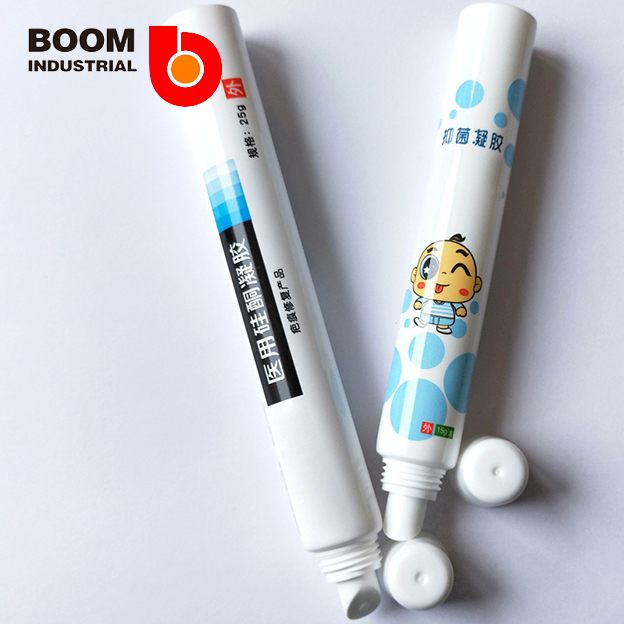
I see two main types of packaging tubes in the market: laminated and extruded. Each type offers unique structural and application benefits. I use the following table to compare their main features:
Tube Type | Structure Description | Manufacturing Process | Application Characteristics |
|---|
Laminated (ABL) | Multi-layered web with 5 layers: Outer PE (printable surface), Adhesive, Aluminum foil (barrier), Adhesive, Inner PE (product contact) | Starts from a flat multi-layer web printed with graphics, rolled into a cylinder, heat-welded side seam, compression molded shoulder and neck | Provides near-hermetic barrier due to aluminum foil; allows high-quality 360° printing; used where strong barrier and decoration are needed |
Extruded Plastic | Typically mono-layer PE or multi-layer co-extruded with inner/outer PE layers and a barrier layer like EVOH in between | Melted plastic resin pellets extruded through a circular die to form continuous tube sleeve, cooled, cut, and molded with head and neck | Offers durability and cost-effectiveness; co-extrusion adds oxygen barrier though less absolute than aluminum; retains plastic tube feel and look |
I find that laminated tubes excel in barrier protection and decoration, making them ideal for products that need strong protection and visual appeal. Extruded tubes, on the other hand, provide durability and a classic plastic tube feel, which suits everyday personal care and cosmetic packaging.
Material Properties
When I evaluate packaging tubes, I focus on the properties of PET, LDPE, HDPE, and PP. These materials shape the performance and sustainability of the final product. I summarize their key characteristics in the table below:
PE Type | Flexibility | Barrier Protection | Best Use |
|---|
LDPE | High | Low | Soft creams, travel tubes |
HDPE | Low | Medium-High | Thick gels, durable tubes |
I also consider the following points:
LDPE offers high flexibility and cost-effectiveness. I use it for creams and gels that require a soft, squeezable tube.
HDPE provides stiffness and durability. I choose it for thicker gels and robust packaging needs.
Polypropylene (PP) stands out for its chemical resistance and stiffness. I rely on it for aggressive formulations.
PET delivers moderate barrier properties and high recyclability. I select it when sustainability is a top priority, even though it is less flexible than PE.
The physical and chemical properties of these materials directly affect their performance. LDPE’s flexibility makes it user-friendly, while HDPE’s strength supports demanding applications. PP’s resistance to chemicals protects sensitive products. PET’s recyclability aligns with my sustainability goals and the growing demand for eco-friendly packaging.
Sustainability Factors
I believe sustainability in packaging goes beyond recyclability. I consider several factors when I assess the eco-friendly profile of plastic tubes:
Anti-waste packaging: I focus on reducing food and solid waste throughout the packaging lifecycle.
Regulatory compliance: I adapt to new rules like the EU Packaging and Packaging Waste Regulation and Extended Producer Responsibility schemes.
Reuse at scale: I support pooling systems and Packaging as a Service to boost circularity.
Integration of automation and AI: I use technology to improve efficiency and sustainability in the supply chain.