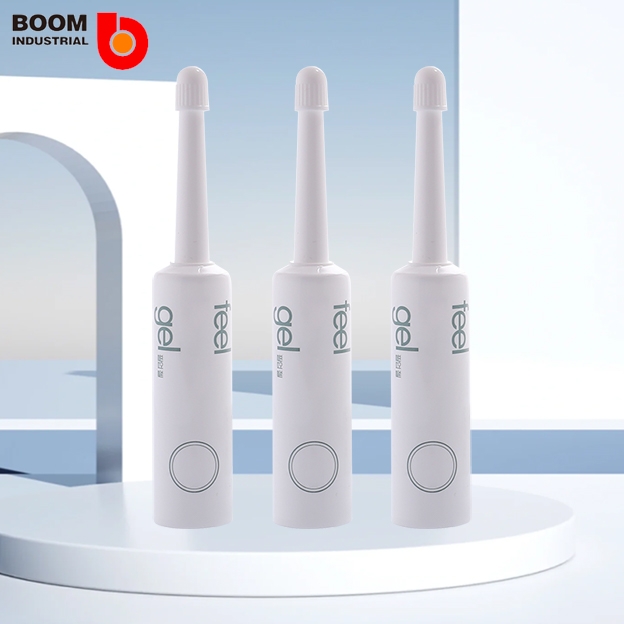
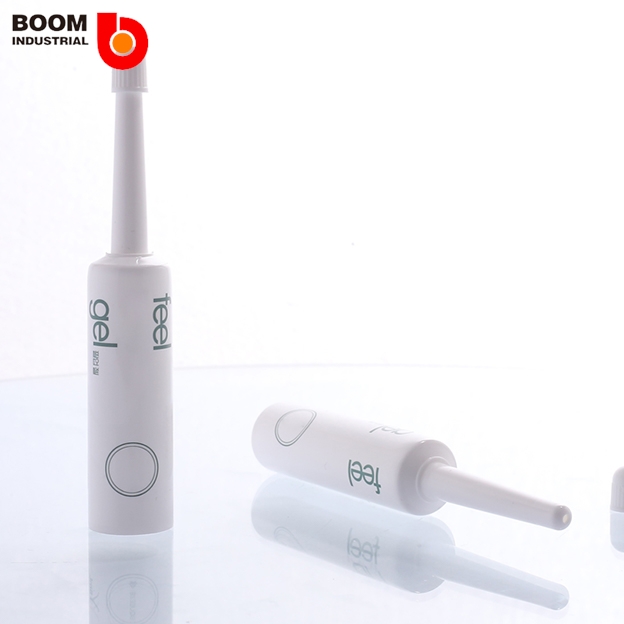
What Is a Vaginal Tube and How Is It Used in Medicine
What Is a Vaginal Tube and How Is It Used in Medicine
A vaginal tube is a tool that doctors use in medicine. It helps with procedures that involve the vagina. Sometimes, it is used for drainage. It can also give doctors access to certain areas. Doctors may use it to help during surgery. They pick this tool because it helps them work safely. It also makes their work more comfortable. You can trust that doctors care about your health when they use a vaginal tube.
Key Takeaways
A vaginal tube is a medical tool. It helps doctors reach and treat places inside the vagina safely.
Doctors use vaginal tubes for many reasons. These reasons include drainage, exams, and surgeries. The tube makes procedures more comfortable.
Vaginal tubes are not the same as vaginal speculums. They make a gentle channel instead of opening the vagina wide.
Safety is very important. Doctors follow strict rules to keep you comfortable and lower risks during procedures.
You should always talk to your doctor if you feel discomfort or have concerns during your procedure. This helps you get the best care.
Vaginal Tube Basics
What Is a Vaginal Tube
You might wonder what a vaginal tube is and why doctors use it. In medicine, a vaginal tube is a tool that helps doctors look or reach inside the vagina. This tool is important for many exams and medical tasks. You may not see "vaginal tube" in books often, but doctors use this word for a device that helps with access, drainage, or surgery.
The vagina is a stretchy, muscular tube. It links the outside of your body to the uterus. The vagina is the entrance to the reproductive system. It is also the exit during periods and childbirth. Most vaginas are about 10 centimeters long. The walls have ridges and columns. These help the vagina stretch and go back to its shape.
Doctors use a vaginal tube for many reasons:
Regular gynecology checkups
Checking symptoms you notice
Finding infections
Looking at the cervix
Taking samples for tests
Helping with medical procedures
A vaginal tube lets doctors work safely and gently. It gives them a clear way to see or treat the area they need.
How It Differs from a Vaginal Speculum
You may have heard of a vaginal speculum. This tool looks different from a vaginal tube and works in another way. A speculum opens the vagina so doctors can see inside. It has two blades that spread apart. Doctors use a speculum for Pap smears and other exams when they need a wide view.
A vaginal tube does not open the vagina as much as a speculum. It makes a soft channel instead. This can make some exams more comfortable, especially if you have certain health problems. Some people feel pain with a speculum. Conditions like chronic vaginal pain, lichen sclerosus, or hymenal stenosis can make using a speculum hard. In these cases, a vaginal tube may feel better and hurt less.
Here is a quick comparison:
Tool | Main Use | How It Works |
|---|
Vaginal Tube | Access, drainage, surgery | Creates a gentle channel |
Vaginal Speculum | Exams, Pap smears, visual checks | Opens the vagina with blades |
Tip: If you ever feel pain during an exam, tell your doctor. They can pick the tool that is best for you.
When you know the difference between a vaginal tube and a vaginal speculum, you can feel ready for your next visit. You can also ask your doctor which tool they will use and why.
Appearance and Types
Design and Materials
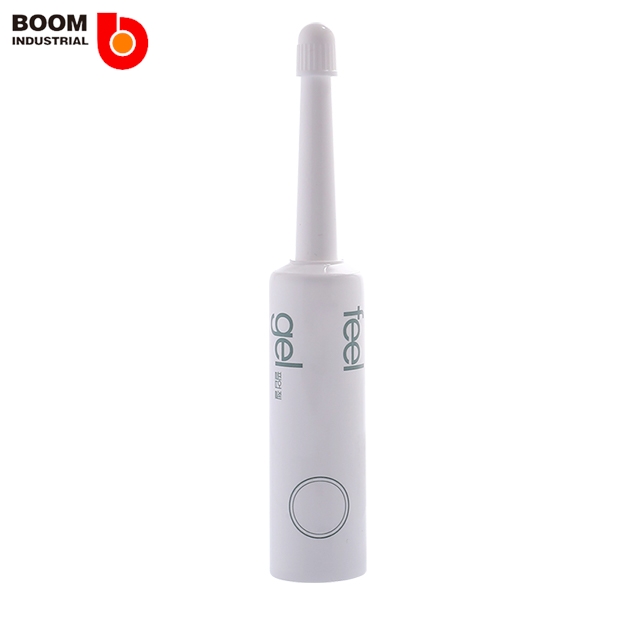
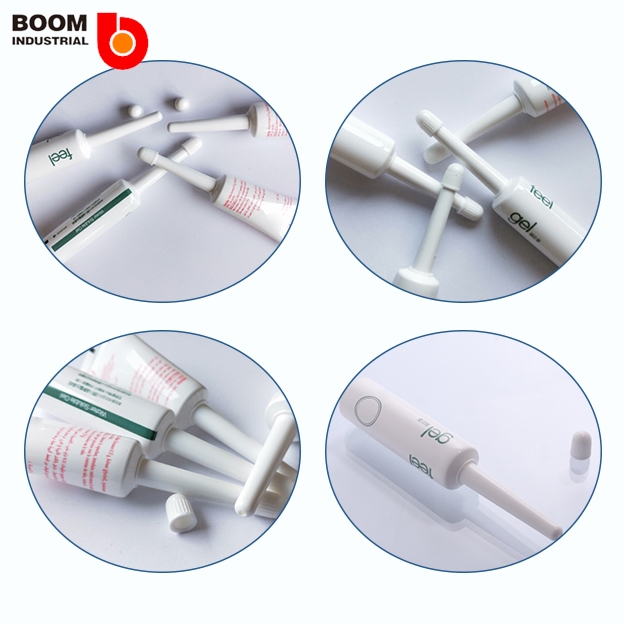
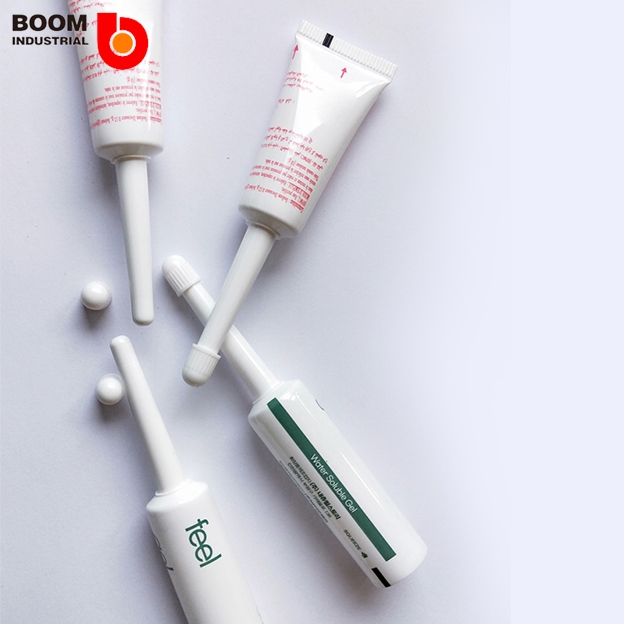
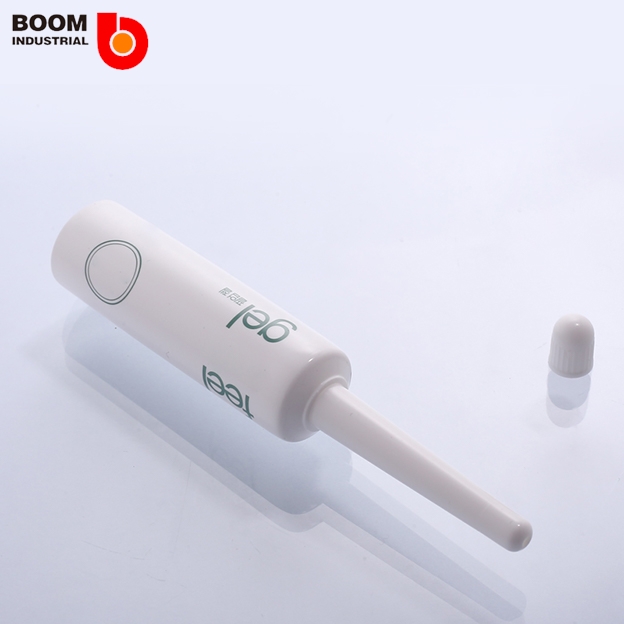
A vaginal tube may look plain, but its design is important. Doctors pick tubes made from safe materials. Most are made from plastic or medical-grade silicone. Plastic tubes are hard and do not bend much. This helps stretch the vagina in a gentle way. Medical-grade silicone tubes are softer and can bend more. Silicone tubes may feel better, especially if the procedure takes longer.
Here is a table that shows the main materials and their good points:
Material | Advantages |
|---|
Plastic | More firm and rigid, which may help stretch the vagina. |
Medical-grade silicone | Generally softer and more flexible, providing comfort during use. |
Doctors choose the material based on what you need and the procedure type. You can ask your doctor about the material before your exam. Some tubes are used once and then thrown away. Others can be cleaned and used again.
Note: Medical-grade materials keep you safe from infection and irritation. You can trust that doctors use safe tools.
Common Types and Sizes
Vaginal tubes come in many shapes and sizes. Doctors pick the right size for your body and the procedure. Small tubes are good for young patients or people who have not had a baby. Bigger tubes are used for surgery or when doctors need more space.
Doctors also use different types of vaginal speculums for exams. These tools come in many shapes. Some have one blade, and some have two or three. The most common kind has two blades shaped like a duck’s bill. Some have wings to open the walls more. Doctors pick the size and type based on your age, body, and health history.
Here is a table that explains features of these tools:
Feature | Description |
|---|
Material | Speculums can be made of glass, metal, or plastic. |
Blades and wings | Vaginal speculums can have one, two, or three blades, with the most common type having two blades in a 'duck-billed' shape. Some versions have wings to help expand the walls more. |
Disposal and reuse | Some speculums are sanitized and reused, while others are single-use only. |
Size | Providers select a speculum that best fits the patient's body, considering factors like age, anatomy, sexual activity, and childbirth history. |
It is normal to feel nervous about these tools. You can always ask questions or talk about your worries. Doctors want you to feel safe and comfortable.
Medical Uses of a Vaginal Tube
Drainage and Access
You may need a vaginal tube if your doctor wants to drain fluid from your vagina or nearby organs. This tool helps doctors reach areas that are hard to access with other instruments. For example, if you have an infection or a buildup of pus, your doctor can use a vaginal tube to remove the fluid. This process is called drainage. It helps your body heal and can prevent more serious problems.
Doctors often use a vaginal tube when other methods do not work well. If you are older or have a tumor that blocks the way, a vaginal tube can make drainage possible. Studies show that draining fluid with this tool works in most cases. Doctors report a 95% success rate when they use a vaginal tube for draining abscesses near the vagina. Most people do not have problems during or after the procedure. Only a small number of patients need a second drainage. Many people avoid surgery because the drainage works so well.
Here are some reasons why doctors choose a vaginal tube for drainage:
It helps remove fluid safely.
It lowers the risk of infection.
It can prevent the need for bigger surgeries.
It works well even if you cannot have other treatments.
If you feel nervous about the procedure, you can talk to your doctor. They will explain why a vaginal tube is the best choice for your care.
Role in Gynecological Surgery
A vaginal tube also plays a key role in gynecological surgery. If you need surgery on your uterus or other organs, your doctor may use this tool to help guide their work. For example, during a laparoscopic hysterectomy, the surgeon uses a vaginal tube to lift and support the vagina. This makes it easier to see and reach the area that needs treatment.
You may wonder how this tool is different from a vaginal speculum. A speculum exam opens the vagina wide so your doctor can see inside. In surgery, a vaginal tube creates a gentle channel instead. This channel helps the surgeon move tools in and out without hurting the walls of your vagina. It also keeps the area clean and lowers the risk of infection.
Doctors use a vaginal tube for these reasons in surgery:
It gives a clear path for surgical tools.
It protects the vagina from injury.
It helps control bleeding.
It makes the surgery safer and faster.
You can ask your doctor if they will use a vaginal tube during your surgery. They will tell you how it helps and what you can expect. If you have questions about comfort or safety, your doctor can answer them before the procedure.
Note: Your doctor wants you to feel safe and informed. You can always ask about the tools they use during your care.
How a Vaginal Tube Is Used
What to Expect During a Procedure
You might feel nervous before a procedure with a vaginal tube. Knowing what will happen can help you feel calm. Most women say the feelings during the procedure are mild and easy to handle. You may feel some pressure when the doctor puts the tube in your vagina. Some people notice a little discomfort as the tube moves. Most people do not feel pain. The procedure is safe for almost everyone and does not usually cause problems.
Here is a table that shows what you might feel:
Sensation Type | Description |
|---|
Discomfort Level | You might have mild or moderate discomfort or cramping. |
Pain Source | You could feel a sharp or dull feeling as the tube goes in. |
Intense Pain | Strong pain is rare and usually only happens during big procedures. |
If you have had a speculum exam, you may think the vaginal tube feels softer. Always tell your doctor if you feel pain or are worried during the procedure.
Insertion and Removal Steps
Your doctor will talk about each step before starting. First, you will lie on the exam table with your knees up. The doctor will gently put the tube into your vagina. They might use a slippery gel to help it go in easier. The tube makes a path so the doctor can reach the right spot. When the procedure is done, the doctor will slowly take the tube out. You may feel a little pressure, but it should not hurt. The whole thing usually takes just a few minutes.
Tip: Try to take slow, deep breaths during the procedure. This can help your muscles relax and make you feel better.
Patient Preparation and Aftercare
You help your body heal after the procedure. Your doctor may want you to stay in the hospital for about a week. Take any pain medicine your doctor gives you. Follow your doctor’s advice about hormones. If you go home with a urinary catheter, surgical drains, or vaginal packing, follow the instructions for removing them. You may need to rest for 4 to 6 weeks and not do heavy work for 8 to 12 weeks. Wait about three months before having sex again. Go to all your follow-up visits so your doctor can check how you are healing. You might also need to do vaginal dilation or douching as part of your care.
Note: Always ask your doctor when you can go back to work, drive, or do other things. Your doctor wants you to heal well and stay healthy.
Safety and Comfort
Is It Safe
You can trust that doctors follow important safety rules with a vaginal tube. They want to keep you healthy and protect your vagina every time. Hospitals have special steps to lower risks and help you feel okay. Here is a table that shows some main safety steps:
Safety Protocols | Description |
|---|
Visualization Requirement | Doctors always check that they can see inside the vagina clearly before using any device. |
Device Proximity | Medical teams keep magnet-sensitive devices away from certain equipment to avoid problems. |
Anesthesia Considerations | Doctors avoid nitrous oxide and use careful breathing support for high-risk patients. |
Air/Gas Emboli Management | Teams remove air bubbles from fluid lines to protect your vagina and prevent embolism. |
Surgical Team Training | Nurses and doctors learn how to monitor fluid and pressure inside the vagina. |
Resuscitative Capabilities | Teams have emergency tools ready in case you need extra help. |
Patient Positioning | Doctors place you flat or slightly tilted to keep your vagina safe and comfortable. |
Fluid Management | Teams use low pressure inside the vagina for better safety and less risk. |
Equipment Handling | Staff handle all devices carefully to avoid electric shock or other dangers. |
Tip: You can ask your doctor about these safety steps before your procedure. They will tell you how each one helps protect your vagina.
Possible Discomfort or Risks
You might feel a little sore after a vaginal tube procedure. Most people only have mild problems, but it is good to know what could happen. Here are some common things you might notice:
Bleeding that does not stop
Unusual discharge from your vagina
Urinary tract infections that come back
Pain or swelling in your lower belly
Sex that feels uncomfortable
Infection in your bladder or bowel
Trouble holding your pee
Sharp or prickly pain in your vagina, which can get worse with exercise
Pain in your stomach, bottom, or legs
If you have any of these problems, tell your doctor right away. They can help you feel better and stop bigger problems.
How Doctors Ensure Comfort
Doctors want you to feel safe and calm during your procedure. They use gentle ways to protect your vagina and help you feel less pain. You may get a numbing gel or medicine so you do not hurt. Doctors pick the right size tube for your body to keep you comfortable. They talk with you before, during, and after to answer your questions.
Block Quote: "Your comfort matters. If you feel pain or worry, speak up. Doctors will listen and adjust their care to help your vagina stay healthy."
You can trust your doctors to use the best tools and ways to help you. They check your vagina often and make sure you heal well. If you are worried, ask your doctor for help. You deserve care that keeps your vagina safe and comfortable.
You now know a vaginal tube helps doctors with exams and surgery. It also helps with drainage. Gynecologists say checking the uterus is important. They also check the tubes for your health. You can get help and advice during your care.
FTR procedures may help couples have a baby.
After a procedure, watch for spotting and do not douche.
If you do not get pregnant in six months, talk to your doctor.
Recommendation | Details |
|---|
Education on Anomalies | Learn about problems in the reproductive tract and how periods work. |
Importance of Evaluation | Get a full checkup for the best results. |
Counseling by Experts | Ask skilled surgeons for advice. |
Readiness for Procedures | Get ready in your mind for procedures and aftercare. |
Your comfort is important. You can ask your doctor questions. Share your worries with them. You should get safe and caring treatment.
FAQ
What does a vaginal tube feel like?
You may feel gentle pressure or mild discomfort. Most people say it feels softer than a speculum. You should not feel sharp pain. If you do, tell your doctor right away.
Can you ask for a smaller tube?
Yes, you can ask your doctor to use a smaller tube. Doctors want you to feel comfortable. They will choose the size that fits your body best.
How do you care for yourself after a procedure?
Tip: Rest at home, take medicine as directed, and follow your doctor’s instructions. Watch for bleeding or pain. Call your doctor if you notice anything unusual.
Is a vaginal tube safe for teens?
Doctors use vaginal tubes safely for teens when needed. They pick the right size and explain each step. You can ask questions before the procedure.
Will you need anesthesia for a vaginal tube?
You may not need anesthesia for simple exams. For surgery, doctors may use local or general anesthesia. Your doctor will explain what you need for your comfort.