Applicator Tubes Showdown Which One Wins for You
Applicator Tubes Showdown Which One Wins for You
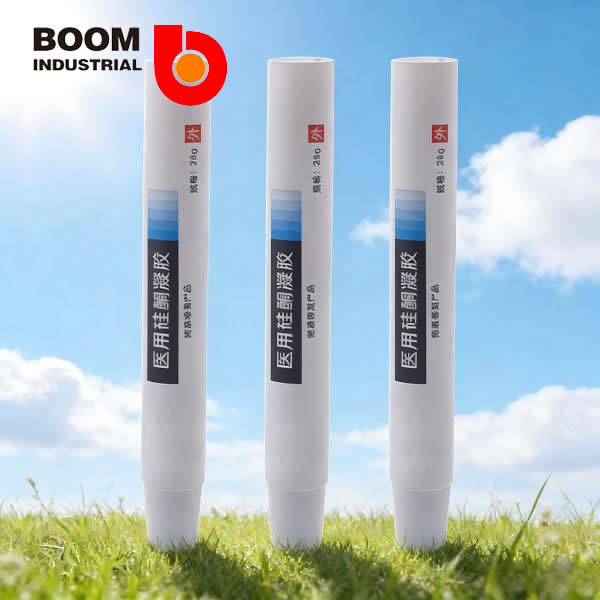
You want to find the applicator tube that works best for you. The right choice depends on what matters most to you. Each applicator has a special use. Some are made for hygiene. Others help you control how much you use or work better with certain products. You may care about how simple it is to use. You might want your product to stay fresh. You may also want it to feel good when you use it. Here are some things people think about when choosing applicator tubes:
Priority Type | Description |
|---|
Usability | The cap and applicator shape change how easy it is to use. |
Customization | Flip-top, twist-off, and pump types fit different needs. |
Practicality | It is important to control how much comes out and keep things clean. |
Sustainability | Many people want materials that are good for the Earth. |
Key Takeaways
Pick the right applicator tube for your product. Squeeze tubes are good for creams. Pump tubes are better for liquids.
Keep things clean with airless tubes and pump dispensers. These choices protect your product from germs and dirt.
Think about how easy it is to use. Find applicators that feel nice in your hand. Make sure they are simple to use.
Try different applicator types to see what you like. Each type has special benefits for different products.
Keep your applicator clean. Wipe the tips often and close the caps tight. This helps keep your product safe and clean.
Applicator Tubes Types Overview
You can find many applicator tubes in stores. Each tube has its own job. Some are for skincare, makeup, or lip care. Let’s check out the main types and what they do.
Squeeze Tubes
Squeeze tubes are good for lip glosses and balms. You press the tube to get the product out. This makes it easy to use and carry. Squeeze tubes are great for quick fixes.
Pump Tubes
Pump tubes help you control how much you use. You press the pump for a set amount. These tubes are best for lotions and serums. You waste less and keep things neat.
Rollerball Tubes
Rollerball tubes have a small ball to spread product. You roll the ball on your skin. These tubes are good for oils and eye serums. You get a gentle massage and even spread.
Brush-Tip Tubes
Brush-tip tubes have a soft brush at the end. You use them for lip serums and treatments. The brush feels soft and helps you apply smoothly.
Sponge-Tip Tubes
Sponge-tip tubes use a cushion sponge. You find these with lip oils and stains. The sponge gives even coverage and feels nice.
Airless Tubes
Airless tubes keep your product safe from air. You push the base or press a button to get the product. These tubes are good for sensitive creams and serums. Your product stays fresh and strong.
Doe Foot Applicators
Doe foot applicators look like a soft, angled wand. You use them for lip glosses and tinted balms. They give you good coverage and feel fancy.
Silicone Applicators
Silicone applicators work for lip balms and masks. You get a tool that is clean and lasts long. Silicone is good for thick products.
Steel & Plastic Wands
Steel and plastic wands are used in mascara and brow gels. Steel wands feel cool and help you be precise. Plastic wands bend easily and shape well.
Tip: There are many applicator types. Each one fits a different product and need.
Applicator Type | Best For | Advantages |
|---|
Doe-Foot Wand | Lip glosses, plumping serums, tinted balms | Good coverage, feels fancy, picks up product well |
Cushion Sponge Tip | Lip oils, stains, and light glosses | Even spread and nice texture |
Mini Brush Applicator | Lip serums, medicated treatments | Soft on lips, great for skincare lip products |
Squeeze Tube | Lip glosses, balms, creamy oils | Easy glide, simple to use, good for travel |
Silicone Applicator | Lip balms, sleeping masks, intensive treatments | Clean, strong, and easy to wash |
Applicator tubes come in many shapes and sizes. You can match them to your favorite products. Trying different applicators helps you find what works best for you.
Key Comparison Factors
Ease of Use
You want an applicator tube that is easy and comfy. The shape and tip change how you hold and squeeze it. Some tubes have special tips for careful use. These tips help you put the product right where you want. Some tubes keep your fingers clean and are good for travel. But some tubes can get blocked or make it hard to use all the product. The table below shows what people say about using them:
User Feedback Type | Comments |
|---|
Common Praises | “The precision tip lets me apply exactly where I need it.” |
| “No more messy fingers—great for travel.” |
| “Feels professional and hygienic.” |
Frequent Complaints | “Tip gets clogged after a few weeks.” |
| “Hard to get the last bit out.” |
| “Applicator bends under pressure.” |
Hygiene
Hygiene is important when you use skincare and makeup. You want to keep germs away and keep your product clean. Some applicator tubes, like brush tips and rigid spatula tips, stop fungus from growing. Airless tubes and pump dispensers help keep your product safe from germs. The table below shows how different applicators stop germs:
Applicator Type | Fungal Growth Observed |
|---|
Brush Tip (Ciclopirox Olamine 8%) | No |
Rigid Spatula Tip (Amorolfine 5%) | No |
Product Preservation
You need packaging that keeps your product fresh and strong. Airless pump bottles and dropper bottles keep out air and light. Opaque squeeze tubes and aluminum tubes protect things like vitamin C. These designs help your product stay the same and work well. Airless pump bottles can lower germ risk by 70%. How well your product works depends on how the packaging blocks air and light.
Airless pump bottles and dropper bottles keep out germs and air.
Opaque squeeze tubes with small openings keep out air.
Aluminum squeeze tubes block light, air, and water.
Application Precision
Precision helps you use the product in the right spot. Long nozzles and fine-tip brushes help you do careful work. Roll-on applicators give you the right amount and keep things clean. Brush applicators spread the product evenly and do not waste it. The shape of the applicator changes how you use it and how the product works.
Long nozzles are best for careful use.
Anti-clog designs keep the product flowing.
Fine-tip brushes with long bristles help with details.
Roll-on applicators help you use it in one spot and stay clean.
Product Compatibility
You need to match the applicator tube to your product’s texture and ingredients. How thick and colorful your product is will change which tube works best. The opening size and wiper types stop leaks and control how much comes out. Always test your formula with the tube to make sure it works well and feels good.
How thick and colorful your product is matters.
The opening size must fit your product.
Wiper types stop leaks and control how much you use.
Test your product and tube together for best results.
Tip: Picking the right applicator tube makes using your product better, keeps it working well, and keeps your routine safe.
Applicator Tubes Compared
Squeeze Tubes: Pros & Cons
Squeeze tubes give you quick access to your product. You just press the tube and the product comes out. These tubes work well for creams, gels, and balms. You can use them at home or on the go.
Pros:
Easy to use and control.
Lightweight and portable.
Good for thick or creamy products.
Less mess if you close the cap tightly.
Cons:
Hard to get every last drop out.
Can get messy if squeezed too hard.
Not always the best for thin liquids.
Tip: Squeeze tubes are great for travel and daily use, but you may need to cut them open to use all the product.
Pump Tubes: Pros & Cons
Pump tubes help you get the right amount every time. You press the pump, and it gives you a set dose. These tubes are popular for lotions, serums, and liquid soaps.
Pros:
Gives you the same amount each time.
Keeps the product clean and safe from germs.
Easy to use with one hand.
Cons:
Pump can clog with thick products.
Hard to use up all the product inside.
Not always leak-proof for travel.
Note: Pump tubes help you keep your routine clean and simple, but you may not reach the last bit of product.
Rollerball Tubes: Pros & Cons
Rollerball tubes use a small ball to spread the product. You roll it over your skin, which feels smooth and cool. These tubes work best for serums, essential oils, and eye treatments.
Benefit | Description |
|---|
Precise Application | Lets you target small areas like joints or temples. |
Product Integrity | Sealed tube keeps the product fresh and lasting longer. |
Hygiene Compliance | Lowers the risk of spreading germs. |
User-Friendly | Easy for kids and older adults to use. |
Preserves Potency | Protects oils from air and keeps them strong. |
Cons:
Ball can get stuck if not cleaned.
Not ideal for thick or gritty products.
May not give enough product with one roll.
Rollerball tubes offer a gentle massage and help you use your product exactly where you need it. They also keep your product safe and fresh.
Brush-Tip Tubes: Pros & Cons
Brush-tip tubes have a soft brush at the end. You squeeze the tube, and the product flows through the brush. These tubes are common for lip serums, concealers, and nail treatments.
Advantages | Disadvantages |
|---|
Precise application reduces waste. | Brush can clog with thick or fast-drying products. |
Hygienic—minimizes contact with contaminants. | Lower-quality brushes may warp or crack after many uses. |
Portable and spill-resistant when sealed. | Pre-filled units may dry out or separate over time. |
Versatile for cosmetics, art, and medicine. | Not good for very thin liquids, which may drip. |
You get great control with brush-tip tubes. They help you use less product and keep things clean, but you need to clean the brush to avoid clogs.
Sponge-Tip Tubes: Pros & Cons
Sponge-tip tubes use a soft, cushiony sponge to apply the product. You often see these with lip oils, stains, and concealers.
Pros:
Feels soft and gentle on your skin.
Spreads product evenly.
Good for blending and smooth coverage.
Easy to use for quick touch-ups.
Cons:
Sponge can soak up product, causing waste.
Harder to clean than silicone tips.
May wear out or tear with heavy use.
Sponge-tip tubes give you a smooth finish, but you may lose some product inside the sponge.
Airless Tubes: Pros & Cons
Airless tubes use a special system to keep air out. You press the base or pump, and the product comes out without letting air in. These tubes are perfect for sensitive creams and serums.
Airless bottles use a sealed piston to keep air away from your product, which stops oxidation and germs.
This system helps your product last longer and keeps active ingredients strong.
Airless pumps keep your skincare fresh and potent for a long time.
Pros:
Protects product from air and germs.
Keeps ingredients fresh and effective.
Reduces waste by pushing out almost all the product.
Great for sensitive or expensive formulas.
Cons:
Can be more expensive than regular tubes.
May stop working if the pump breaks.
Hard to refill or recycle.
Airless tubes are the best choice for keeping your skincare safe and strong, especially if you want your product to last.
Doe Foot Applicators: Pros & Cons
Doe foot applicators have a soft, angled tip that looks like a deer’s foot. You often find them in lip glosses and concealers.
Pros:
Feels soft and smooth on lips or skin.
Picks up and spreads product well.
Gives you good control for precise use.
Looks and feels high-end.
Cons:
Can collect germs if not cleaned.
May not work well with thick or gritty products.
Needs a tight seal to avoid drying out.
Doe foot applicators give you a fancy feel and help you apply product exactly where you want it.
Silicone Applicators: Pros & Cons
Silicone applicators use a flexible, rubbery tip. You see them in lip masks, balms, and some skincare treatments.
Feature | Silicone Sponge | Traditional Foam Sponge |
|---|
Absorbency | Non-absorbent—product stays on surface | Highly absorbent—holds product inside |
Bacterial Growth Risk | Low—no moisture trapped | High—moisture can grow germs |
Cleaning Difficulty | Easy—just wipe or rinse | Hard—needs soaking and squeezing |
Pros:
Does not soak up product, so you waste less.
Easy to clean and reuse.
Less likely to grow germs.
Lasts longer than sponges or brushes.
Cons:
Can feel less soft than a sponge.
May not blend as smoothly for some products.
Not ideal for very thin liquids.
Silicone applicators help you save product and keep things clean. They work best for thick creams and masks.
Steel & Plastic Wands: Pros & Cons
Steel and plastic wands are common in mascara, brow gels, and some serums. Each type gives you a different user experience.
Feature | Steel Wands | Plastic Wands |
|---|
Precision | Better for hard-to-reach lashes | Standard precision |
Cleaning | Easier to clean, non-porous | Can hold product residue |
Performance | Gives defined lift and curl | Varies by product |
Application | Comb-like effect for even application | Traditional bristle application |
User Experience | Great for short/thin lashes, less smudging | General use, may need more effort |
Pros:
Steel wands give you more control and are easy to clean.
Plastic wands work for most people and products.
Both types help you shape and define lashes or brows.
Cons:
Steel wands can feel cold or hard.
Plastic wands may not reach every lash.
Both need cleaning to avoid clumps.
You can choose between steel and plastic wands based on your user experience needs. Steel wands give you more precision, while plastic wands are easy for everyday use.
By comparing these applicator tubes, you can find the best fit for your routine. Each type offers a unique user experience, so try different applicators to see what works best for you.
Best Tubes by Need
Sensitive Skin
If your skin is sensitive, you need gentle applicator tubes. Some tips are better for this. Ceramic tips stay cool and do not bother your skin. Silicone tips are soft and bend easily. Both are simple to clean and help stop germs. You can use these tips for creams, serums, or lip gloss tubes if you want a calm feeling.
Applicator Tip | Best For | Benefits |
|---|
Ceramic Tips | High-end product lines | Stay cool, safe for sensitive skin, do not cause allergies |
Silicone Tips | Gentle, hygienic application | Soft, bendy, easy to clean, good for sensitive skin |
Tip: Pick silicone or ceramic tips for your lip gloss tube or skincare if you want comfort and less irritation.
Travel-Friendly
When you travel, you need tubes that are easy to carry. Small designs fit in your bag and do not leak. Built-in applicators make it simple to use products anywhere. Some tubes let you use one for many things, like lip gloss tubes or mascara tubes. Eco-friendly materials, like PCR or sugarcane, help you care for the planet while you travel.
Feature | Description |
|---|
Convenience | Built-in applicators make using products easy when you travel. |
Multi-functionality | One tube can work for different products, so you need fewer items. |
Compact design | Small sizes (7.5ml to 21ml) fit well in travel bags. |
Eco-friendly materials | PCR, Ocean Plastic, and Sugarcane are good for the Earth while you travel. |
Note: Squeeze tubes and airless tubes are great for travel. You can get custom lip gloss tubes in small sizes for easy packing.
Liquid vs. Cream
You need to match your tube to your product type. Thick creams need different applicators than thin liquids. For thick formulas, paddle wands and silicone tips help you scoop and spread. Thin liquids work best with rollerballs or brush applicators. Pigmented products, like some lip gloss tubes, need tapered or flocked wands for even color.
Formula Type | Recommended Applicator Types |
|---|
Thick | Paddle wands, Silicone tips |
Thin | Rollerballs, Brush applicators |
Pigmented | Tapered wands, Flocked wands |
Tip: Use paddle wands or silicone tips for creamy lip gloss tubes. Pick brush or rollerball applicators for thin, runny products.
Hygiene Focus
If you care about hygiene, you want tubes that keep germs away. Airless tubes and pump tubes protect your product from air and fingers. Silicone applicators do not trap moisture, so they stay cleaner. You can wash silicone tips easily. For lip gloss tubes, look for tight seals and tips that are easy to clean. Mascara tubes with steel or plastic wands also help you avoid germs if you clean them often.
Airless tubes keep your product safe from air and germs.
Pump tubes give you a set amount and reduce mess.
Silicone tips are easy to clean and do not hold bacteria.
Steel wands in mascara tubes are non-porous and simple to wipe.
Hygiene tip: Always close your lip gloss tube tightly and clean the tip to keep your routine safe.
Precision Application
You want to put your product right where you need it. Some tubes help you do this better. Eye cream tubes often use nozzle tips, roller ball heads, or zinc alloy massage heads. These designs let you target small spots, like under your eyes or on blemishes. Doe foot applicators in lip gloss tubes give you control for lips and concealer. Steel wands in mascara tubes help you reach every lash.
Nozzle tips let you use product in tiny spots.
Roller ball heads give you a gentle massage and even spread.
Zinc alloy massage heads feel cool and help with puffiness.
Doe foot applicators work well for lip gloss tube and concealer.
Steel wands in mascara tubes help you shape and define lashes.
For best results, pick tubes with special tips for the area you want to treat. You can find custom lip gloss tubes with unique applicators for extra precision.
Applicator Tubes Decision Guide
Checklist for Choosing
You want to pick the best applicator tube for your needs. A checklist helps you compare options and make a smart choice. Look at the features below and see which ones matter most to you.
Feature | Description |
|---|
Sealed, one-way valve system | Stops germs from getting in and gives you the right amount each time. |
Non-slip grip zone | Lets you hold the tube easily, even with wet hands. |
Graduated measurement markings | Shows how much product you use with clear mL marks. |
Detachable tip | Makes cleaning simple and keeps the tube fresh. |
Compatible plunger seal | Keeps air out and protects your product from changes in temperature. |
Material safety | Choose platinum-cure silicone and avoid harmful chemicals like phthalates and BPA. |
Tip: Check each feature before you buy. You can find tubes with extra safety and easy cleaning. This helps you keep your routine healthy and simple.
Simple Flowchart
You can use a flowchart to decide which applicator tube fits your routine. Follow each step and answer the questions. This helps you narrow down your choices.
What is your product type?
Cream or balm → Squeeze tube, silicone tip, paddle wand
Liquid or serum → Pump tube, rollerball, brush-tip
Do you need extra hygiene?
Yes → Airless tube, pump tube, silicone applicator
No → Standard squeeze tube, sponge-tip, doe foot
Is precision important?
Yes → Doe foot, steel wand, nozzle tip
No → Sponge-tip, brush-tip, rollerball
Do you travel often?
Note: You can mix and match features. Try different tubes to see which one feels best for you.
You can pick from lots of applicator tubes. The right tube depends on what you need and your product. Look at the tables and guide to help you choose. Try out different applicator tips to find what works best.
Remember: The best applicator tube helps make your routine simple, neat, and fun.
FAQ
What is the most hygienic applicator tube?
Airless tubes and pump tubes keep your product safe from germs. You do not touch the product inside. Silicone tips also stay clean because you can wash them easily.
Can I reuse applicator tubes?
You can reuse some tubes, like silicone or steel applicators, if you clean them well. Most squeeze and pump tubes are for one-time use. Always check if the tube is safe to refill.
Which applicator tube is best for thick creams?
A squeeze tube or a silicone applicator works best for thick creams. These types let you control how much you use. You can also spread the cream evenly without wasting any product.
How do I keep my applicator tube clean?
Tip: Clean your applicator often to keep your routine safe.
Are applicator tubes safe for sensitive skin?
Yes, you can use ceramic or silicone tips for sensitive skin. These tips feel gentle and do not cause irritation. Always test a small area first to make sure your skin feels comfortable.