Squeeze Tubes or Pump Bottles Which Is Best for Lotion in 2026
Squeeze Tubes or Pump Bottles Which Is Best for Lotion in 2026
I believe pump bottles stand out as the best choice for lotion in 2026. When I compare Squeeze Tubes For Lotion with pump bottles, I notice several important factors that influence my decision. Pump bottles offer consistent dispensing, protect the product from germs, and look professional in any cosmetics packaging lineup. Squeeze tubes, however, give me more control but allow air inside, which can impact shelf life. Both packaging types now feature eco-friendly options, so I can align my lotion bottles with my sustainability goals. My experience shows that packaging directly affects hygiene and user satisfaction.
Key Takeaways
Pump bottles provide superior hygiene by minimizing air exposure and contamination risks.
Squeeze tubes allow for precise control over dispensing, helping to reduce waste.
Both packaging types now offer eco-friendly options, aligning with sustainability goals.
Squeeze tubes are portable and ideal for travel, fitting easily into bags without leaks.
Pump bottles are better for thicker lotions, ensuring smooth and consistent dispensing.
Squeeze tubes can be harder to use as they empty, requiring more effort to extract the last bit.
Consider refillable options to reduce waste and support sustainable practices.
Evaluate your needs—choose pump bottles for home use and squeeze tubes for on-the-go convenience.
Squeeze Tubes for Lotion
Squeeze Tubes Overview
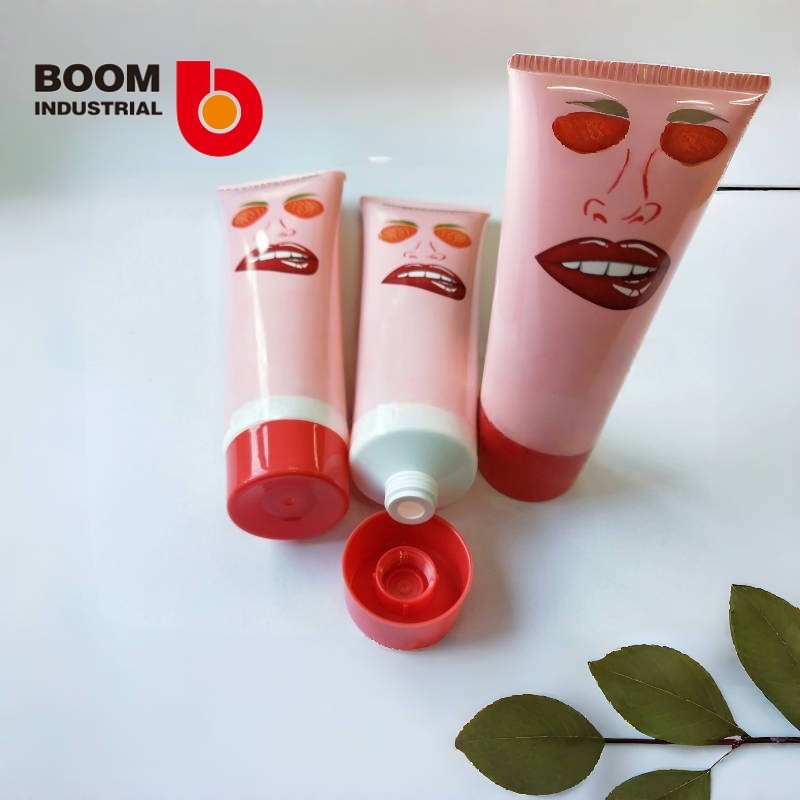
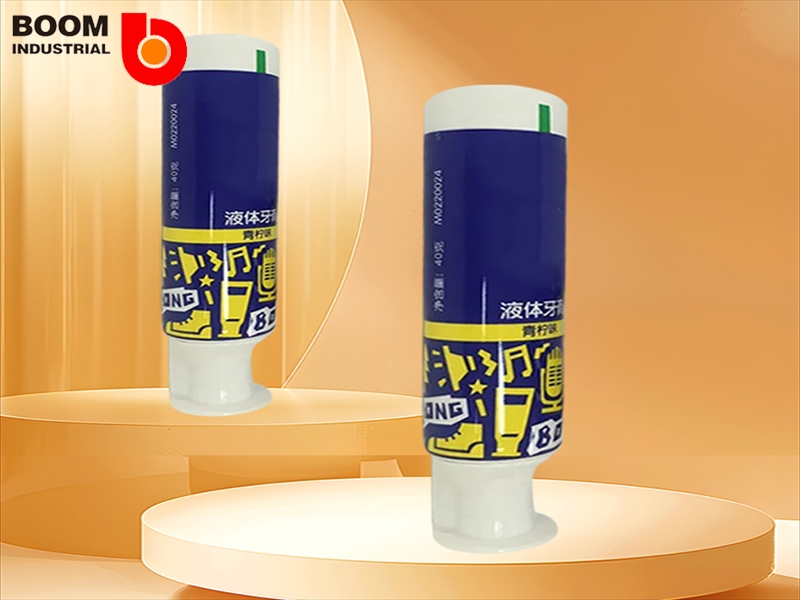
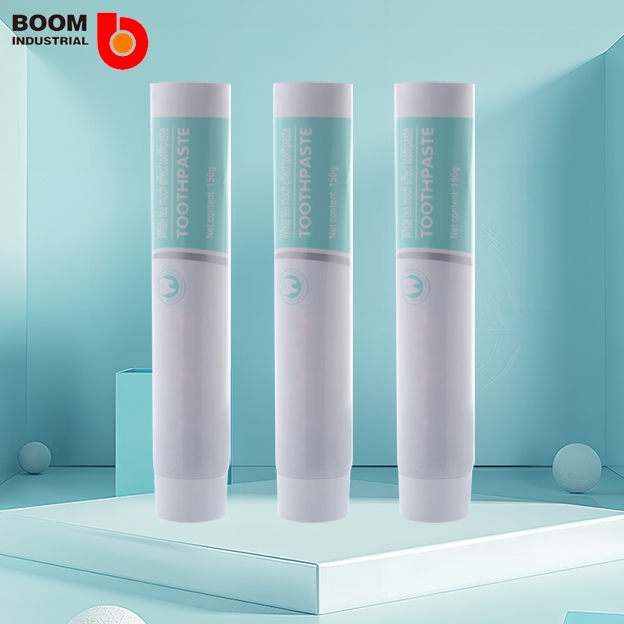
When I look at squeeze tubes for lotion, I see a packaging solution that has evolved rapidly in recent years. In 2026, these tubes lead the cosmetic tube packaging market, valued at over USD 1.4 billion. Their popularity comes from their versatility, comfort, and affordability. I notice that brands now use advanced designs, such as dual chambers that keep two formulas separate until I use them. This feature improves product efficacy and gives me more options for my skincare routine. Many squeeze tubes for lotion use sustainable materials like polyethylene, polypropylene, or even sugarcane-based bioplastics. Some tubes include applicator features, such as roller massage heads, which make applying lotion easier and more enjoyable.
Feature | Description |
|---|
Dual Chamber Design | Separates two formulas until use, enhancing efficacy and convenience. |
Sustainable Materials | Uses mono-materials like PE, PP, or bioplastics for better recyclability. |
Applicator Features | Includes roller massage heads for improved absorption and user experience. |
Pros of Squeeze Tubes
Portability
One of the main pros of squeeze tubes for lotion is their portability. I can easily slip a squeeze bottle into my bag or carry-on without worrying about leaks or spills. The flexible material and compact size make them ideal for travel, the gym, or even my office desk. Unlike bulky pump bottles, squeeze bottles fit into tight spaces and meet airline liquid restrictions. This convenience means I never have to leave my favorite lotion behind.
Full Product Extraction
Another major advantage is the ability to extract nearly all the product from squeeze tubes. The smooth interior surface and flexible design allow me to squeeze out every last drop, reducing waste. I appreciate that some squeeze tubes for lotion use leak-proof sealed nozzles, which prevent contamination and oxidation. This design ensures that I get the full value of my purchase. I have found that squeeze bottles outperform jars and pump bottles in this area, as I rarely leave any residue behind.
Squeeze tubes made from sugarcane-based bioplastic promote sustainability.
Leak-proof sealed nozzles prevent contamination and oxidation.
The smooth surface allows for precise dispensing and full product extraction.
Precise Control
I value the precise control that squeeze tubes for lotion provide. I can adjust the pressure to dispense exactly the amount I need, whether it is a small dab or a generous portion. Research shows that this level of dispensing control increases user satisfaction. I find that squeeze bottles minimize waste and help me avoid messy spills. The ability to control dosing also means I use the right amount every time, which is important for both my skin and my budget.
Tip: Squeeze tubes with enhanced applicator features, like roller massage heads, make it even easier to apply lotion evenly and efficiently.
Cons of Squeeze Tubes
Contamination Risk
Despite their many pros, squeeze tubes for lotion do have some drawbacks. One concern I have is the risk of contamination. Each time I touch the nozzle or opening, I introduce the possibility of transferring bacteria or dirt. While leak-proof designs help, I still need to be careful, especially if I share my squeeze bottle with others.
Harder Dispensing as Tube Empties
As I use up the lotion, I notice that squeeze tubes become harder to dispense. The flexible material can collapse or crumple, making it difficult to get the last bit out. Sometimes, I have to roll or fold the tube to extract the remaining product. This process can be inconvenient, especially when I am in a hurry.
Excessive Dispensing
Another issue I encounter is the potential for excessive dispensing. If I squeeze too hard, I might end up with more lotion than I need. This can lead to waste and mess. Squeeze bottles require a gentle touch and some practice to master the right amount of pressure.
User Experience
One-Handed Use
I find that squeeze tubes for lotion offer a significant advantage when I need to apply lotion quickly or on the go. I can easily use one hand to dispense the product, which is especially helpful when I multitask or hold something else. The lightweight and compact design of squeeze tubes fits comfortably in my hand, making them easy to control. I often toss a squeeze tube into my bag, knowing it will not leak or spill. This convenience gives me confidence, especially during travel or busy mornings.
Squeeze tubes provide precise control for applying lotions, minimizing waste and mess.
Their lightweight and compact design makes them easy to carry, fitting well in bags without risk of spills.
The leak-proof nature of squeeze tubes enhances confidence during travel, especially for air travel.
Application Consistency
When I use squeeze tubes for lotion, I notice that I can extract nearly all of the product, which reduces waste. I appreciate the ability to control the amount I dispense, but I also recognize that application consistency can vary. If I squeeze too hard, I might get more lotion than I need. If I do not apply enough pressure, I may not get enough product. This variability means I need to pay attention to how I use the tube.
Squeeze tubes allow for full product extraction, reducing waste, but have a higher risk of contamination, especially when shared.
Pump bottles provide controlled dispensing, making them ideal for thicker lotions and enhancing hygiene by minimizing hand contact.
The choice between the two depends on product viscosity, usage habits, and hygiene priorities.
Hygiene Factors
Direct Contact Issues
I always consider hygiene when choosing packaging for my skincare products. Squeeze tubes are designed to limit exposure to air and bacteria, which is crucial in reducing bacterial contamination rates. Their sealed design allows for precise dispensing, minimizing the product's contact with the environment. This design helps keep my lotion fresh and safe, especially compared to jars or open containers that require direct contact.
Exposure to Air
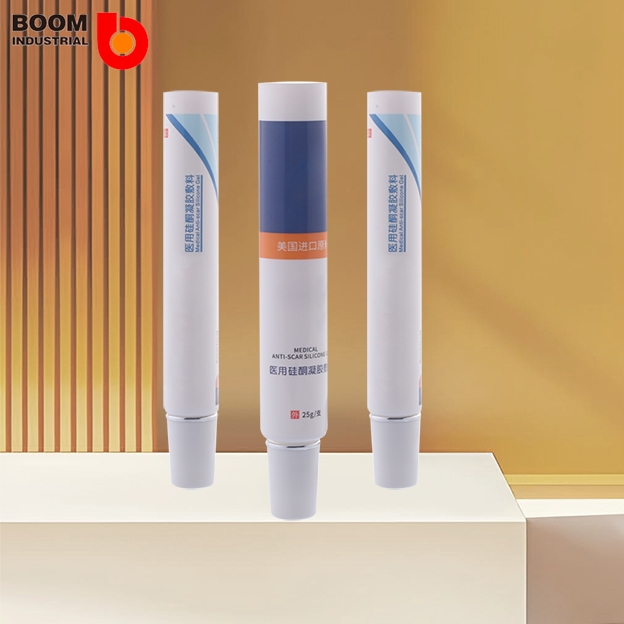
Although squeeze tubes for lotion limit air exposure better than jars, they do not offer the same level of protection as airless pump bottles. Each time I open the tube, a small amount of air can enter, which may affect the product over time. However, aluminum squeeze tubes maintain their shape under pressure and protect sensitive lotion formulas from exposure to air and light. Packaging experts emphasize that these tubes ensure product safety and longevity while also offering a professional appearance.
Aluminum squeeze tubes are non-reactive and impermeable.
They prevent oxidation and contamination by blocking air exposure.
They protect formulations from UV light.
These properties help extend the efficacy and freshness of sensitive skincare products.
Product Preservation
Light and Air Protection
I rely on squeeze tubes, especially those made from aluminum, to protect my lotion from harmful light and air. The non-reactive and impermeable nature of aluminum prevents oxidation and contamination. This protection is essential for lotions with delicate ingredients, such as peptides or plant extracts, that can degrade when exposed to air or UV light. I have noticed that my lotions stay fresher for longer when stored in these types of tubes.
Shelf Life
The shelf life of lotion in squeeze tubes depends on the material and design. While pump bottles with airtight mechanisms offer the highest level of protection, squeeze tubes still provide a strong barrier against environmental factors. I choose squeeze tubes for lotion when I want a balance between convenience and product preservation. I find that high-quality tubes, especially those with advanced sealing, help maintain the integrity of my skincare products throughout their intended use.
Many pump bottles feature airless pump mechanisms, which prevent air from coming into contact with the product. This ensures that your cleanser stays fresh for longer and avoids contamination, making it an ideal choice for preservative-free or natural formulas.
Eco-Friendly Materials
Recyclability
When I choose squeeze tubes for lotion, I always consider how easy it is to recycle the packaging. In 2026, I see that manufacturers have made significant progress in improving the recyclability of squeeze tubes. Many brands now use post-consumer recycled plastics, mono-material tubes, and bio-based plastics. These materials make squeeze tubes more recyclable than traditional pump bottles, which often contain mixed materials that complicate recycling.
Modern cosmetic tubes use single-type plastics, making them easier to recycle.
Post-consumer recycled (PCR) tubes help divert waste from landfills and reduce the need for new plastic.
Bio-based tubes, such as those made from sugarcane polyethylene, offer the same performance as conventional plastics but with a lower carbon footprint.
Refillable tube systems are gaining popularity, allowing me to reuse the same container and reduce waste.
I notice that recycling programs now accept more types of squeeze tubes for lotion, especially those made from mono-materials like polyethylene (PE) or polypropylene (PP). However, I always check local recycling guidelines because acceptance can vary by location.
Sustainable Options
I see a wide range of sustainable options for squeeze tubes for lotion in 2026. Brands offer innovative materials that align with my eco-friendly values. I often compare the available materials before making a purchase. Here is a table that summarizes the most eco-friendly materials used in squeeze tubes for lotion:
Material Type | Overview | Environmental Benefit | Features | Considerations |
|---|
Post-Consumer Recycled Plastics | Derived from recycled consumer-use products. | Reduces need for virgin plastic and diverts waste from landfills. | Durable and chemically stable. | Typically recyclable, acceptance varies by location. |
Bio-Based Polyethylene (Sugarcane PE) | Made from renewable sugarcane ethanol. | Carbon-negative production, reduces greenhouse gas emissions. | Identical performance to conventional plastic. | Requires agricultural input and processing. |
Aluminum-Based Collapsible Tubes | High barrier against light and air. | 100% recyclable and reusable without quality degradation. | Premium look, excellent product preservation. | More expensive than plastic; may need an inner liner. |
Mono-Material Tubes (Recyclable PE or PP) | Made from a single type of plastic. | Easier to recycle without material separation. | Highly customizable for various products. | May need barrier coatings for certain formulas. |
Paper-Based Laminates | Consist of paper with thin polymer linings. | Reduces plastic content; can be compostable or biodegradable. | Natural look, aligns with eco-brands. | Limited barrier protection; not suitable for all products. |
Compostable Biopolymers | Derived from renewable resources like cornstarch. | Degrades naturally under composting conditions. | Innovative and biodegradable. | Not yet widely used for tubes. |
Mycelium and Seaweed-Based Materials | Innovative biodegradable materials. | Biodegradable, though not widely used yet. | - | - |
Refillable Tube Systems | Systems allowing product replenishment without discarding containers. | Reduces waste by encouraging reuse. | - | - |
I prefer aluminum-based collapsible tubes when I want a premium look and maximum product preservation. These tubes are 100% recyclable and do not lose quality after recycling. For daily use, I often select mono-material tubes or PCR plastics because they balance durability and environmental responsibility. I also see more brands introducing refillable tube systems, which let me replenish my lotion without throwing away the container.
Tip: I always look for the recycling symbol and material information on the packaging. This helps me make sure I dispose of my squeeze tubes for lotion responsibly.
Squeeze tubes for lotion now offer a variety of eco-friendly materials, making it easier for me to support sustainability without sacrificing convenience or product quality.
Pump Bottle for Lotion
Pump Bottle Overview
When I evaluate pump bottles for lotion in 2026, I see a packaging solution that has become highly advanced and user-focused. Cosmetic pump bottles now feature airless systems, recyclable materials, and digital integration. I notice that brands use QR codes and NFC chips to provide more information about the lotion and its ingredients. Pumps have become more efficient, allowing me to use every last drop of lotion without waste. The design of pump bottles also supports sustainability, with many brands offering refillable options and using recycled plastics.
Design Feature | Description |
|---|
Sustainability | Use of recyclable materials and refillable packaging to meet eco-friendly standards. |
Usability | Enhanced ease of use with features like pumps and airless systems for better product dispensing. |
Digital Integration | Incorporation of QR codes and NFC chips for improved customer interaction and product information. |
Customization | Options for personalized designs to cater to brand identity and consumer preferences. |
Functionality | Advanced designs like airless pumps that protect formulations and ensure efficient dispensing. |
I appreciate how these features make pump bottles a top choice for lotion packaging in both home and professional settings.
Pros of Pump Bottle
Controlled Dispensing
I rely on pump bottles for lotion because they give me precise control over how much product I use. Airless pumps use a vacuum system with a piston that moves upward as I press the pump. This mechanism draws up lotion without letting air inside, so I can dispense exactly the amount I need every time. I find this especially helpful when I want to avoid waste or apply lotion in measured doses. Pumps also prevent messy spills, which keeps my bathroom and workspace clean.
Pumps ensure every last drop of lotion is used, reducing waste and improving user satisfaction.
Airless pumps prevent air from entering, protecting sensitive formulations and maintaining product quality.
Improved Hygiene
Hygiene matters to me, especially when I use skincare products daily. Pump bottles for lotion minimize contact between my hands and the product inside. Airless pumps go a step further by preventing air exposure, which reduces contamination risks and extends the shelf life of sensitive lotions. I have noticed that my lotion stays fresher and more effective when I use airless cosmetic pump bottles. The sealed system also means I do not have to worry about bacteria or dirt entering the container.
Airless pump bottles prevent air exposure, reducing contamination risks.
They extend the shelf life of sensitive formulations.
The design features enhance product quality and hygiene compared to traditional pump bottles.
Ideal for Thick Lotions
I often use thick lotions that do not flow easily from squeeze tubes. Pump bottles excel in dispensing these types of products. The strong piston system in lotion pumps can handle dense formulations without clogging or requiring extra effort. I appreciate that I do not have to shake or squeeze the bottle to get the lotion out. Pumps deliver a smooth, consistent flow, making application easy and efficient.
Tip: For thick lotions, I always choose pump bottles with a wide nozzle and a sturdy spring. This ensures reliable dispensing and prevents blockages.
Cons of Pump Bottle
Product Waste
Despite their many advantages, pump bottles for lotion can lead to product waste. Sometimes, a small amount of lotion remains at the bottom or along the sides of the bottle, out of reach of the pump. I have experienced this with both traditional and airless pumps. Common causes of waste include leaking from a bad seal, failure to prime when the tube is too short, and inconsistent dosage from a broken spring or worn piston.
Problem Type | Description |
|---|
Leaking | Caused by a bad seal or mismatched pump and bottle fit, leading to product loss. |
Failure to Prime | Occurs when the pump does not draw lotion due to a short tube or thick product. |
Inconsistent Dosage | Results from a broken spring or worn piston, causing variable amounts dispensed. |
To minimize waste, I look for pump bottles with a piston system that pushes all the lotion upward, ensuring complete product retrieval.
Pump Malfunctions
I have encountered pump malfunctions with lotion pumps, which can be frustrating. Sometimes, the pump mechanism jams, the spring breaks, or the nozzle clogs. These issues prevent me from accessing the lotion, even when there is plenty left inside. I find that high-quality pumps with sturdy construction reduce the risk of malfunction, but no system is perfect. When a pump fails, I often have to open the bottle and scoop out the remaining product, which can compromise hygiene.
Bulky Design
Pump bottles for lotion tend to have a bulkier design compared to squeeze tubes. I notice that they take up more space on my countertop or in my travel bag. The larger size and rigid structure make them less portable. For home use, I do not mind the extra size, but when I travel, I prefer smaller, more flexible packaging. The bulky design also means that pump bottles use more material, which can impact sustainability if not made from recyclable or refillable components.
Note: I always check for travel-sized pump bottles or refillable options when I need to save space and reduce waste.
I weigh these pros and cons carefully when choosing the best packaging for my lotion. Pump bottles offer excellent hygiene, controlled dispensing, and work well with thick lotions, but I remain aware of the potential for product waste, malfunctions, and bulkiness.
User Experience
Smooth Flow
I notice that pump bottles for lotion deliver a smooth and consistent flow. When I press the pump, the mechanism dispenses lotion evenly, which helps me avoid messy spills. The airless design ensures that each pump releases the same amount of product, so I do not have to worry about sudden bursts or uneven application. I appreciate how the piston system inside the bottle moves upward, pushing lotion out without letting air inside. This feature keeps the lotion fresh and prevents oxidation.
Many user reviews highlight the sleek design and ease of filling pump bottles, especially brands like Ries. The airless system minimizes waste and keeps products fresh. However, some users mention that the small amount dispensed per pump can be frustrating when they need more lotion. I find that this controlled dispensing works well for daily routines, but I sometimes wish for a larger dose when I need to moisturize bigger areas.
Pump bottles deliver lotion smoothly and consistently.
The airless design prevents messy spills and keeps the product fresh.
Some users prefer clearer containers to monitor how much lotion remains.
Tip: I always check for pump bottles with adjustable dosage settings. This feature allows me to customize the amount dispensed, making the experience more flexible.
Home Convenience
Pump bottles for lotion offer unmatched convenience in my home. I place them on my bathroom counter or bedside table, and they look professional and tidy. The upright design saves space and prevents leaks, so I do not have to worry about cleaning up spills. I find that pump bottles are easy to use for the whole family. Children and adults can dispense lotion without making a mess.
I also appreciate how pump bottles fit into my daily skincare routine. I can use one hand to press the pump, which makes application quick and efficient. The opaque nature of some bottles can make it hard to see how much lotion is left, but I solve this by choosing bottles with a clear window or indicator. This way, I avoid running out unexpectedly.
Pump bottles are easy to use for all ages.
The upright design prevents leaks and saves space.
Clear windows or indicators help monitor product levels.
Note: I recommend pump bottles for families and busy households. They streamline the skincare process and keep surfaces clean.
Hygiene Factors
Minimal Contact
I value the hygiene benefits of pump bottles for lotion. The airless pump system minimizes exposure to air and external contaminants. The fully sealed design acts as a barrier, preventing dust, bacteria, and direct finger contact from entering the product. This feature significantly reduces the risk of microbial contamination, which keeps my lotion safe and pure.
Airless pump bottles maintain product purity by minimizing exposure to contaminants.
The sealed system prevents bacteria and dust from entering.
Direct finger contact is avoided, reducing contamination risks.
I trust pump bottles for lotion when I want to protect sensitive formulas and maintain high hygiene standards.
Bacterial Build-Up
While pump bottles reduce contamination, I remain aware of potential bacterial build-up around the nozzle. If I do not clean the pump regularly, residue can accumulate and attract bacteria. I make it a habit to wipe the nozzle with a clean tissue after each use. This simple step helps maintain the integrity of the lotion and prevents unwanted microbial growth.
Regular cleaning of the pump nozzle prevents bacterial build-up.
Residue can attract bacteria if left unchecked.
Simple maintenance keeps the product safe for daily use.
Tip: I always clean the pump nozzle weekly, especially if multiple people use the bottle. This practice ensures the lotion remains safe and effective.
Product Preservation
Air Exposure
Pump bottles for lotion excel at protecting the product from air exposure. Packaging experts agree that airless pump bottles utilize a vacuum system that prevents air from entering the chamber. The vacuum chamber remains sealed off from outside air, so the lotion stays fresh and potent. This design minimizes oxidation and degradation of active ingredients, which is crucial for maintaining their effectiveness.
Airless pump bottles prevent air exposure, preserving the lotion's quality.
The vacuum system keeps active ingredients potent.
Oxidation and degradation are minimized.
I rely on pump bottles for lotion when I want to extend the shelf life of sensitive skincare products.
Shelf Life
The shelf life of lotion in pump bottles depends on the quality of the packaging and the formula inside. Airless pump bottles offer superior protection, so my lotion lasts longer without losing efficacy. I notice that sensitive ingredients, such as peptides and antioxidants, remain stable in airless systems. This feature gives me confidence that my skincare products will perform as intended throughout their use.
Pump bottles extend the shelf life of lotions by protecting them from air and contaminants.
Sensitive ingredients remain stable and effective.
High-quality packaging ensures long-lasting performance.
Note: I always choose airless pump bottles for lotions with delicate ingredients. This choice helps me preserve the product and maximize its benefits.
Eco-Friendly Materials
Recyclable Pumps
When I choose a pump bottle for lotion, I always look for recyclable pumps. In 2026, the industry offers more options than ever before. Manufacturers now use materials that support recycling and reduce environmental impact. I see three main types of eco-friendly materials in pump bottles:
Bioplastics: These pumps use renewable resources like corn starch or sugarcane. I appreciate that bioplastics help reduce reliance on fossil fuels. However, I notice that bioplastics sometimes cost more and may not match the durability of traditional plastics. Still, I value their lower carbon footprint and the innovation they bring to packaging.
Recycled Plastics: Many pump bottles now incorporate post-consumer recycled (PCR) plastics. I find this approach practical because it diverts plastic waste from landfills and supports a circular economy. The quality of recycled plastics can vary, but I see steady improvements in consistency and performance.
Aluminum: I consider aluminum one of the best materials for recyclability. Aluminum pump bottles stand out because they can be recycled indefinitely without losing strength or quality. I also notice that aluminum packaging reduces both waste and energy consumption compared to traditional plastics.
Tip: I always check for recycling symbols and material information on the pump bottle. This helps me make responsible choices and ensures the packaging can enter the recycling stream.
Sustainable Designs
Sustainable design goes beyond just the materials used. I see brands rethinking every aspect of the pump bottle to minimize environmental impact. Here are some of the most effective strategies I have observed:
Refillable Systems: I prefer pump bottles that allow me to refill them. This design reduces single-use plastic and encourages long-term use. Many brands now offer refill pouches or bulk containers, making it easy for me to reuse my pump bottle multiple times.
Mono-Material Construction: Some pump bottles use a single type of plastic or metal for all components. I find this approach simplifies recycling because I do not need to separate different materials before disposal.
Minimalist Packaging: I notice a trend toward using less material overall. Lightweight designs and smaller caps help reduce resource consumption. Brands often avoid unnecessary labels or decorations, which makes recycling easier.
Digital Integration: Some pump bottles now include QR codes or NFC chips. I use these features to learn about the product’s sustainability story and recycling instructions. This transparency helps me make informed decisions.
Material/Design | Environmental Benefit | User Experience Benefit |
|---|
Bioplastics | Renewable, lower carbon footprint | Innovative, but sometimes less durable |
Recycled Plastics | Supports circular economy, less waste | Familiar feel, improving quality |
Aluminum | Infinitely recyclable, durable | Premium look, long-lasting |
Refillable Systems | Reduces single-use waste | Cost-effective, customizable |
Mono-Material Design | Easier recycling, less contamination | Simple disposal |
Minimalist Packaging | Less resource use, easier recycling | Lightweight, clutter-free |
I believe that sustainable pump bottle designs will continue to evolve. As a consumer, I support brands that invest in eco-friendly materials and innovative packaging. By choosing recyclable pumps and sustainable designs, I help reduce waste and protect the environment—one lotion bottle at a time.
Practical Scenarios
Travel Use
Squeeze Tubes for Portability
When I travel, I always reach for squeeze tubes. Their lightweight design and compact size make them perfect for my carry-on or gym bag. I never worry about leaks or spills because the flexible material keeps the lotion secure. Squeeze tubes fit easily into tight spaces, so I can pack several products without sacrificing room for other essentials. I notice that squeeze tubes are economical, which appeals to my budget-conscious mindset. I often choose travel-sized squeeze tubes because they comply with airline liquid restrictions and help me stay organized.
Pump Bottles for Convenience
For longer trips or when I need a larger supply, I prefer pump bottles. The pump mechanism allows me to dispense lotion quickly and efficiently. I find pump bottles especially useful when I share products with family or friends. Airless pumps protect oxygen-sensitive lotions, so my skincare stays fresh throughout the journey. I appreciate the convenience of precise dosing, which prevents waste and keeps my routine consistent. Pump bottles work well for thicker creams, and I never struggle to get the right amount.
Tip: I always pack pump bottles with locking mechanisms to avoid accidental spills during transit.
Home Use
Pump Bottles for Families
At home, I rely on pump bottles for family use. The upright design looks professional on my bathroom counter and saves space. Pump bottles allow everyone in my household to access lotion easily. The airless system keeps the product hygienic, and the pump delivers consistent doses. I notice that children and adults can use pump bottles without making a mess. For thick lotions, traditional screw-top pumps work best, ensuring smooth application.
Scenario | Preferred Packaging | Reason |
|---|
Family Bathroom | Pump Bottle | Easy access, hygiene, no mess |
Shared Spaces | Pump Bottle | Consistent dosing, professional look |
Squeeze Tubes for Individuals
When I use lotion alone, I often choose squeeze tubes. The flexible packaging gives me control over how much I dispense. I can extract nearly all the product, which reduces waste. Squeeze tubes are ideal for my personal skincare routine because they fit into drawers or bags and do not take up much space. I value the ability to adjust the amount for different needs, whether I need a small dab or a generous portion.
Luxury Products
Packaging Aesthetics
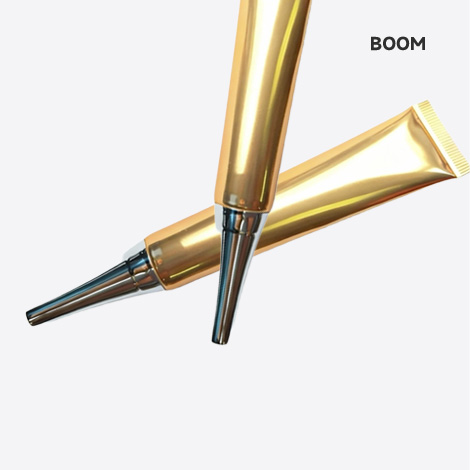
Luxury lotions demand packaging that reflects their premium quality. I notice that brands often use elegant pump bottles with custom designs and metallic finishes. These bottles stand out on my vanity and enhance the overall experience. Squeeze tubes for luxury products feature advanced applicators and high-end materials, such as aluminum or laminated paper. The packaging aesthetics influence my perception of the product and make my skincare routine feel special.
Packaging Type | Luxury Feature | User Appeal |
|---|
Pump Bottle | Metallic finish, custom design | Premium look, professional feel |
Squeeze Tube | Advanced applicator, high-end material | Unique experience, modern style |
User Experience
I value the user experience that luxury packaging provides. Pump bottles deliver smooth, consistent flow and protect sensitive ingredients. Squeeze tubes with applicator features, like roller massage heads, make application enjoyable and efficient. I appreciate how luxury packaging combines functionality with style. The use of eco-friendly materials in high-end products shows that brands care about sustainability as well as aesthetics.
Note: I always consider both the look and feel of packaging when choosing luxury lotions. The right packaging elevates my skincare routine and supports my values.
Eco-Friendly Choices
Sustainable Materials
I always prioritize eco-friendly materials when I select lotion packaging. In 2026, I see a significant shift in the industry toward sustainable solutions. Brands now offer a wide range of packaging options that minimize environmental impact. I notice that both squeeze tubes and pump bottles use innovative materials that support my sustainability goals.
I often compare the most common eco-friendly materials before making a purchase. Here is a table that summarizes the key options I encounter:
Material Type | Description | Environmental Benefit |
|---|
Post-Consumer Recycled Plastics | Made from recycled plastic waste | Reduces landfill waste, supports recycling loops |
Bio-Based Plastics | Derived from renewable resources like sugarcane or corn | Lowers carbon footprint, renewable source |
Aluminum | Infinitely recyclable, lightweight | Conserves resources, premium look |
Paper-Based Laminates | Combines paper with thin plastic lining | Reduces plastic use, compostable options |
Compostable Biopolymers | Breaks down naturally in composting conditions | Minimizes long-term waste |
I prefer aluminum tubes for premium lotions because they offer excellent protection and can be recycled repeatedly. For everyday use, I choose mono-material plastics or post-consumer recycled plastics. These options balance durability and environmental responsibility. I always check for recycling symbols and material information on the packaging. This habit helps me ensure that I dispose of containers responsibly.
Tip: I recommend looking for packaging labeled with "eco-friendly materials" or "PCR content." These labels indicate a brand's commitment to sustainability.
Refillable Options
Refillable packaging has become a game-changer in my skincare routine. I see more brands introducing refill systems for both squeeze tubes and pump bottles. This approach allows me to reuse the same container multiple times, which reduces single-use plastic waste.
I find refillable pump bottles especially convenient at home. Many brands now offer refill pouches made from lightweight, recyclable materials. I simply pour the new lotion into my existing bottle. This process saves money and reduces my environmental footprint. For squeeze tubes, some companies provide refill cartridges or encourage me to return empty tubes for professional cleaning and reuse.
Here are the main benefits I experience with refillable options:
I reduce waste by reusing containers instead of discarding them after one use.
I save money because refills often cost less than buying a new bottle.
I support brands that invest in circular economy practices.
I believe refillable packaging will continue to grow in popularity. I encourage readers to seek out brands that offer refill programs and use eco-friendly materials. By making these choices, I help protect the environment and set a positive example for others.
Note: I always clean my containers thoroughly before refilling. This practice maintains product quality and ensures a safe skincare experience.
User Experience Comparison
Ease of Use
I always look for packaging that is easy to use. Squeeze tubes and pump bottles both offer unique advantages in this area. When I use a squeeze tube, I find it simple to control how much lotion I dispense. The flexible design lets me adjust the amount with a gentle squeeze. This feature gives me more control, especially when I need only a small dab or a larger portion. Pump bottles, on the other hand, provide a consistent amount with each press. I appreciate that I do not have to guess exactly how much lotion will come out. For people who want to control exactly how much product they use, both options work well, but in different ways.
I notice that pump bottles are especially easy to use for families and children. The upright design and one-handed operation make them convenient for quick application. Squeeze tubes also fit well in travel bags and small spaces. I often choose squeeze tubes when I need portability and pump bottles when I want a mess-free experience at home.
Tip: I recommend testing both types to see which feels more comfortable in your daily routine.
Cleanliness
Cleanliness plays a big role in my decision. I want packaging that helps protect product quality and keeps my skincare routine hygienic. Pump bottles excel in this area. The sealed system prevents air and bacteria from entering the container. I rarely touch the lotion inside, which reduces contamination risk. Squeeze tubes also offer good protection, but I sometimes touch the opening when I apply lotion. This contact can introduce germs if I am not careful.
I always wipe the nozzle of my pump bottle to keep it clean. For squeeze tubes, I make sure to close the cap tightly after each use. Both packaging types require some maintenance, but pump bottles make it easier to keep the product fresh and safe.
Packaging Type | Cleanliness Level | Maintenance Needed |
|---|
Pump Bottle | High | Wipe nozzle |
Squeeze Tube | Moderate | Close cap tightly |
Product Waste
I pay close attention to the amount of lotion left in the container. Squeeze tubes allow me to extract almost the entire amount, which means less waste. I can roll or fold the tube to get every last drop. Pump bottles sometimes leave a small amount at the bottom or along the sides. This leftover product can be hard to reach without opening the bottle.
When I want to use the right amount and avoid waste, I prefer squeeze tubes. Pump bottles, however, help me use a consistent amount each time. I find that airless pump bottles improve product retrieval, but some waste still occurs. Choosing the right packaging depends on whether I value full extraction or convenience more.
Note: If minimizing waste is important to you, look for packaging that lets you access the entire amount of lotion.
Environmental Impact
I always consider the environmental impact when I choose lotion packaging. Squeeze tubes and pump bottles both offer eco-friendly options, but their sustainability profiles differ. I examine the materials, recyclability, and waste generated by each type.
Squeeze tubes often use mono-material plastics or aluminum. I find that mono-material tubes are easier to recycle because they do not require separation of components. Aluminum tubes stand out for their infinite recyclability. I prefer aluminum when I want to minimize my environmental footprint. Many brands now use post-consumer recycled plastics in squeeze tubes. This practice reduces the demand for virgin materials and supports a circular economy.
Pump bottles usually contain multiple materials, such as plastic, metal springs, and rubber seals. I notice that this complexity makes recycling more difficult. Some pump bottles use bioplastics or recycled plastics, which help reduce carbon emissions. I see refillable pump bottles gaining popularity. I refill my pump bottle several times before recycling it, which lowers single-use waste.
Tip: I always check for recycling symbols and material information on packaging. This habit helps me dispose of containers responsibly.
I compare the environmental impact of both packaging types using a simple table:
Packaging Type | Material Options | Recyclability | Waste Reduction | Carbon Footprint |
|---|
Squeeze Tube | Mono-material, aluminum, PCR | High (mono/aluminum) | Full extraction | Lower (PCR/aluminum) |
Pump Bottle | Mixed plastics, bioplastics | Moderate (complex) | Refillable options | Lower (bioplastics) |
I believe that refillable systems offer the best solution for reducing waste. I support brands that provide refill pouches or cartridges. These innovations help me reuse containers and minimize landfill contributions.
Eco-friendly materials play a key role in my decision. I look for packaging made from renewable resources, such as sugarcane-based plastics or compostable biopolymers. I value brands that invest in sustainable design and transparent labeling.