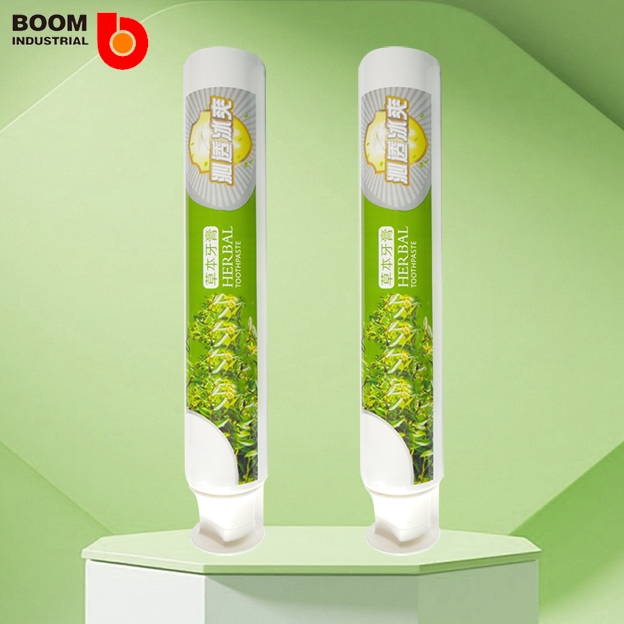
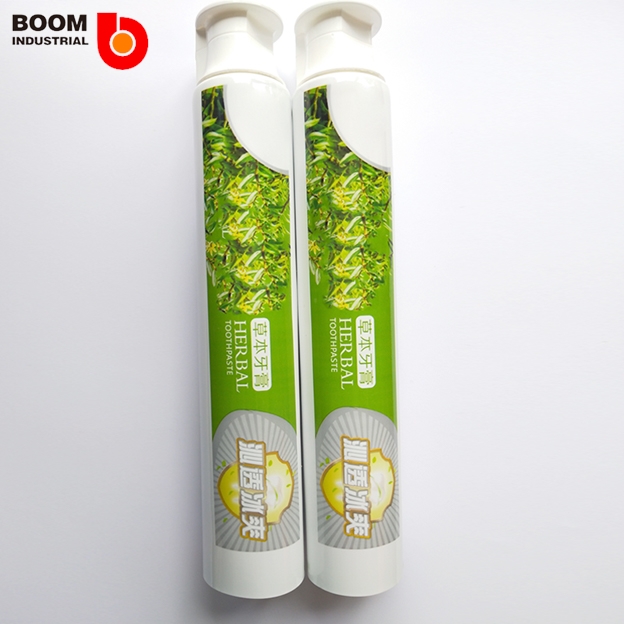
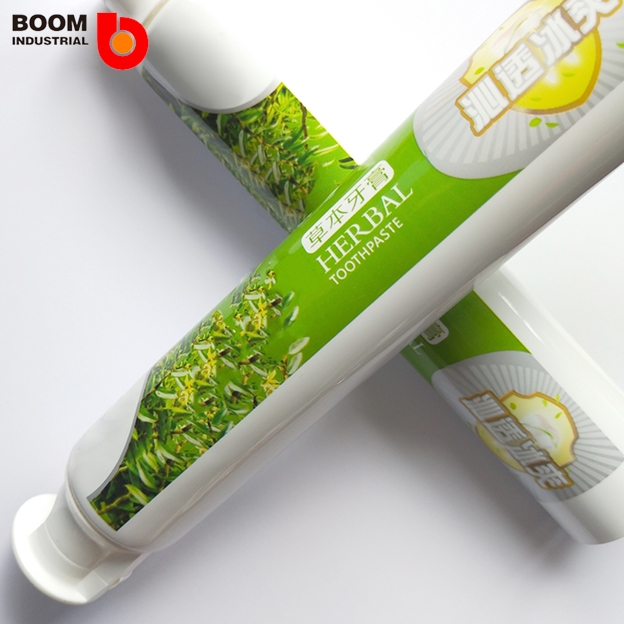
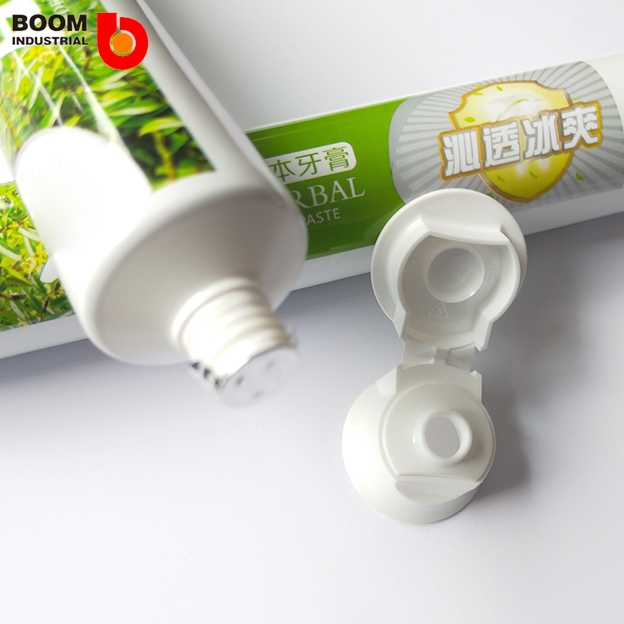
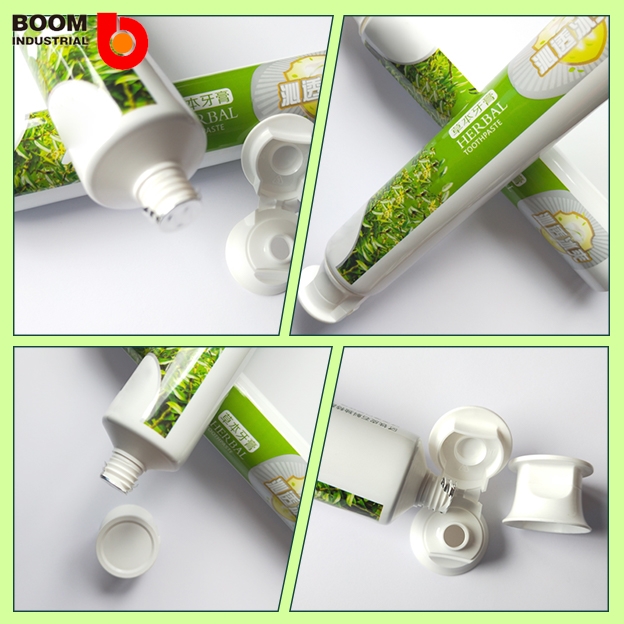
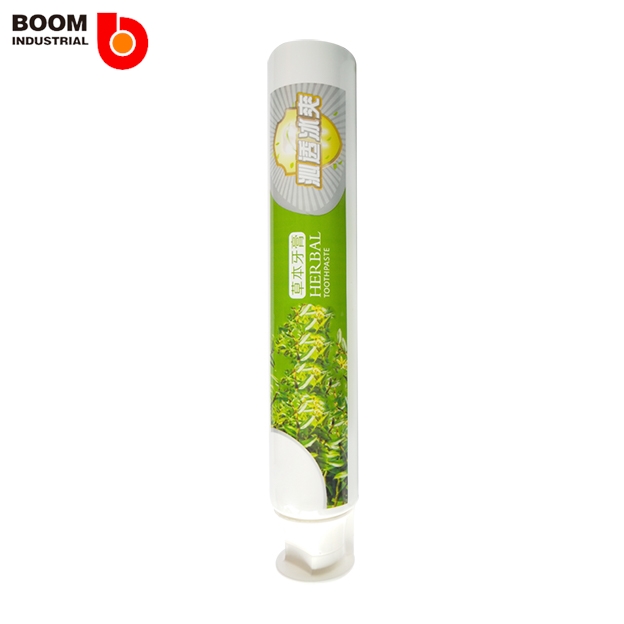
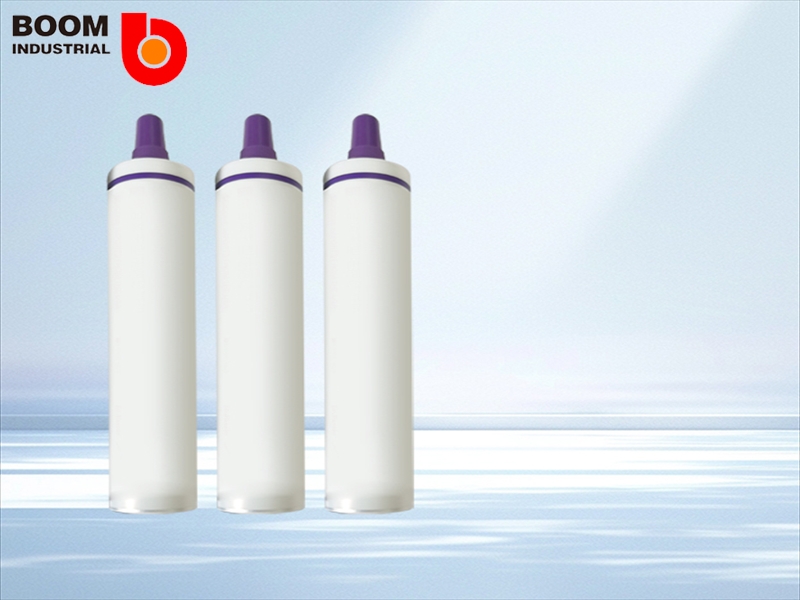
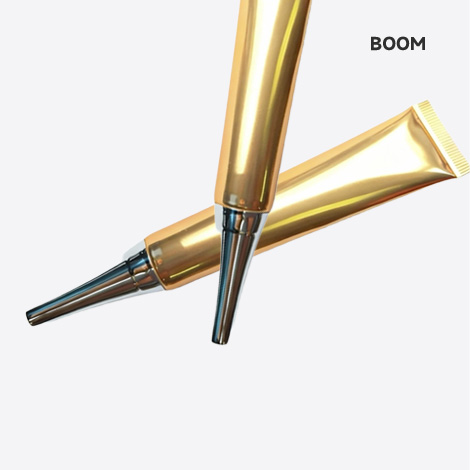
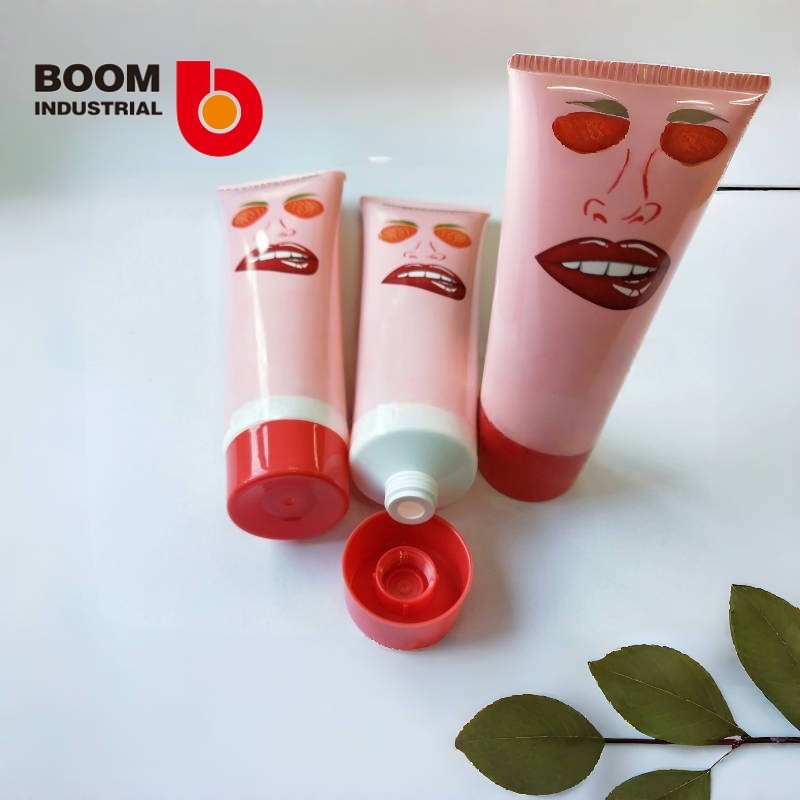
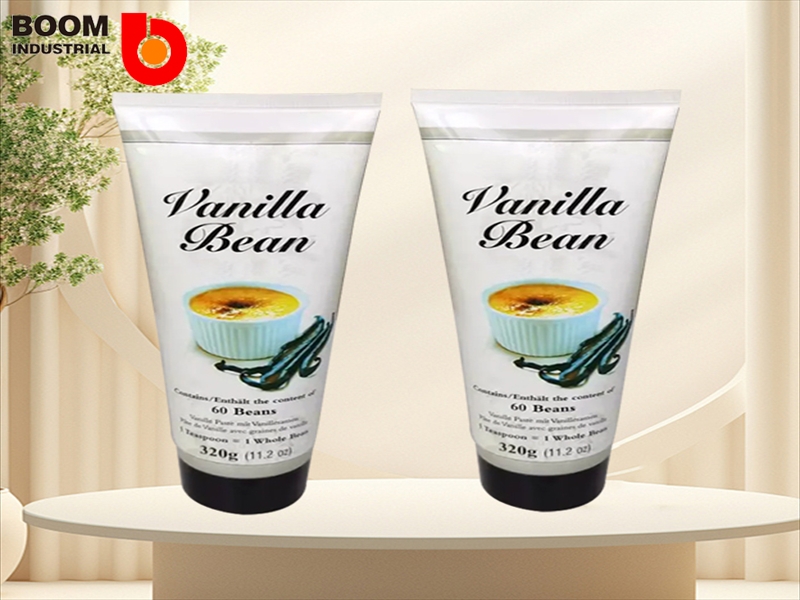
Selecting theright tube can elevate product performance and brand value. For those prioritizing a premium feel and eco-friendly packaging, a pbl tube offers a fully plastic structure with strong moisture and oxygen resistance. In contrast, ABL tubes deliver outstanding barrier protection and chemical resistance, making them ideal for aggressive formulas or products needing maximum preservation. The global market for both ABL and PBL tubes is expanding rapidly, projected to reach USD 10.1 billion by 2034.
When choosing between tube types, consider the product’s compatibility, desired appearance, and sustainability goals.
Key Takeaways
PBL tubes are fully recyclable and made from 100% plastic, making them a sustainable choice for eco-conscious brands.
ABL tubes provide superior barrier protection against oxygen and light, ideal for sensitive products like pharmaceuticals and aggressive formulas.
PBL tubes offer a premium feel with soft-touch finishes and vibrant 360° printing, enhancing brand appeal in the cosmetics market.
When cost is a priority, ABL tubes are more economical for large-scale production due to their lower upfront costs.
Evaluate product compatibility and desired shelf life when choosing between PBL and ABL tubes to ensure optimal performance.
PBL tubes are suitable for organic and natural products, aligning with sustainability goals while maintaining product integrity.
Brands should consider the environmental impact of packaging choices, as PBL tubes support circular economy initiatives.
Consulting packaging experts can help brands select the right tube type based on specific product needs and industry standards.
Quick Comparison of PBL and ABL Tubes
Feature Table Overview
Choosing the right tube for packaging depends on understanding the unique features of each option. The following table presents a side-by-side comparison of PBL and ABL tubes. This overview helps brands and manufacturers quickly identify which tube suits their needs.
Feature Category
ABL Tubes Characteristics
PBL Tubes Characteristics
Oxygen Barrier
Excellent, blocks over 99% oxygen
Very good, EVOH barrier resists oxygen well but slightly less
Light Protection
Superior, strong aluminum foil provides high UV/light defense
Moderate, EVOH offers less UV/light protection
Chemical Resistance
High, suitable for aggressive formulas
Moderate, ideal for less aggressive cosmetic products
Water Vapor Barrier
Strong, low water vapor transmission rate (WVTR)
Good, slightly higher WVTR than ABL
Sustainability
Difficult to recycle due to mixed aluminum and plastic layers
Fully recyclable, made from 100% plastic materials
Cost
Lower upfront cost, economical for large volume orders
Higher initial cost but better return on investment (ROI)
Customization
Functional and durable
Superior design flexibility with vibrant 360° CMYK printing and soft-touch finishes
Tip: Brands seeking high barrier protection and cost efficiency often select abl tubes. Companies focused on sustainability and premium branding prefer PBL tubes.
Fast Recommendations
Selecting between PBL and ABL tubes requires a clear understanding of product requirements and brand goals. The following recommendations guide decision-makers toward the best choice for their application.
For products with aggressive formulas or those needing maximum preservation, abl tubes deliver superior oxygen and light protection. These tubes suit pharmaceuticals, industrial products, and high-volume production environments.
Brands aiming for a luxury feel and vibrant design flexibility should consider PBL tubes. These tubes enhance the user experience with soft-touch finishes and 360° printing, making them ideal for cosmetics, organic products, and nutraceuticals.
Companies prioritizing sustainability benefit from PBL tubes. Their fully plastic structure allows for easier recycling and aligns with eco-friendly initiatives.
When cost is a primary concern, abl tubes offer lower upfront expenses and work well for large-scale packaging needs.
Note: Evaluate the product’s chemical sensitivity, branding requirements, and environmental impact before making a final selection.
Manufacturers and brand owners must weigh these factors carefully. The right tube choice supports product integrity, strengthens brand identity, and meets consumer expectations for sustainability.
PBL Tube Features and Benefits
Plastic Barrier Laminate Structure
A pbl tube uses a sophisticated plastic barrier laminate structure. This design consists of several layers of polyethylene and an EVOH (ethylene vinyl alcohol) barrier. Each layer serves a specific function. The outer layer provides durability and printability, while the inner layer ensures product compatibility. The EVOH barrier sits between these layers, blocking oxygen and moisture from reaching the contents. This multi-layer construction protects sensitive cosmetic formulas and maintains product quality. The structure of a laminate tube, with its bonded plastic layers, enhances barrier capabilities. It shields the contents from harmful elements such as oxygen, moisture, and light. As a result, the product’s integrity and effectiveness remain intact throughout its shelf life.
Moisture and Oxygen Resistance
Pbl tubes deliver reliable resistance against moisture and oxygen. The EVOH barrier in the plastic barrier laminate acts as a shield, preventing air and water vapor from penetrating the tube. This feature is essential for cosmetic packaging, where product stability and freshness matter. The following table compares the barrier properties of pbl tubes with ABL tubes:
Very good – EVOH barrier resists oxygen well but slightly less than ABL
Light Protection
Superior – strong aluminum foil
Moderate – EVOH offers less UV/light defense
Water Vapor Barrier
Strong – low WVTR values
Good – slightly higher WVTR compared to ABL
This comparison shows that pbl tubes provide very good oxygen and moisture resistance, though ABL tubes offer slightly higher protection. For most cosmetic and personal care products, the barrier performance of pbl tubes meets industry standards. Pbl cosmetic tubes help extend shelf life and preserve active ingredients.
Premium Feel and Branding
Brands choose pbl tubes for their premium feel and advanced branding options. The soft, flexible plastic surface creates a smooth touch that appeals to consumers. Pbl cosmetic tubes support high-quality printing, including 360° CMYK graphics, metallic effects, and soft-touch finishes. These features allow brands to showcase vibrant designs and unique identities on their packaging. The mono-material pbl structure also enables seamless decoration, free from the limitations of metal layers. Cosmetic brands seeking to elevate their image often select pbl tubes for their luxurious appearance and tactile experience. This packaging solution enhances shelf presence and strengthens brand recognition in a competitive market.
Sustainability and PCR Plastic
Sustainability has become a central focus in the packaging industry. Brands seek solutions that reduce environmental impact and support recycling initiatives. The pbl tube stands out as a leader in sustainable packaging. Manufacturers design these tubes with mono-material plastic, which simplifies recycling processes. Consumers can dispose of pbl tubes in standard plastic recycling streams, increasing the likelihood of responsible waste management.
Many companies now incorporate post-consumer recycled (PCR) plastic into pbl tubes. PCR plastic comes from materials that consumers have already used and recycled. By using PCR, brands lower their reliance on virgin plastic and decrease their carbon footprint. This approach aligns with global sustainability goals and meets consumer demand for eco-friendly products.
The pbl structure allows for easy integration of PCR content. Brands can choose the percentage of PCR plastic based on their sustainability targets. Some manufacturers offer pbl tubes with up to 60% PCR content. This flexibility supports both environmental responsibility and product performance.
Note: Brands that prioritize sustainability benefit from pbl tubes. These tubes offer a practical solution for eco-conscious cosmetic packaging and other applications.
PBL Tube Use Cases
Cosmetics and Pharmaceuticals
The pbl tube has gained popularity in cosmetic packaging. Brands use these tubes for creams, lotions, gels, and serums. The multi-layer plastic structure protects sensitive formulas from moisture and oxygen. High-quality printing and soft-touch finishes enhance shelf appeal. Pharmaceutical companies also rely on pbl tubes for topical medications and ointments. The barrier properties maintain product integrity and extend shelf life.
Cosmetic brands select pbl tubes for their premium feel and design flexibility.
Pharmaceutical manufacturers value the reliable protection and compatibility with medical formulas.
Food and Nutraceuticals
Food and nutraceutical industries benefit from pbl tubes. These tubes package products such as sauces, pastes, and dietary supplements. The barrier laminate structure preserves freshness and prevents contamination. Brands can customize pbl tubes with vibrant graphics and clear labeling. The recyclable nature of pbl tubes supports sustainability goals in food packaging.
Industry
Typical Products
Key Benefits of PBL Tubes
Cosmetics
Creams, gels, serums
Premium feel, high barrier, branding
Pharmaceuticals
Ointments, topical meds
Product protection, shelf life
Food/Nutraceuticals
Sauces, supplements
Freshness, sustainability, design
Pbl tubes deliver versatile solutions across multiple industries. Their structure, sustainability, and branding options make them a preferred choice for modern packaging needs.
Aluminum Barrier Laminate Tube Overview
ABL Tube Structure
ABL tubes feature a sophisticated multi-layer construction. Manufacturers design these tubes with a thin aluminum layer sandwiched between layers of plastic. This aluminum barrier laminate structure creates a powerful shield that protects the contents from external elements. The plastic layers provide flexibility and printability, while the aluminum core acts as a near-impermeable barrier. This design prevents the loss of flavors and essential oils, and it minimizes the transmission of oxygen, gas, and light. As a result, ABL tubes maintain product stability and extend shelf life. Many industries, including food, pharmaceuticals, and cosmetics, rely on this structure to preserve sensitive ingredients.
Durability and Barrier Properties
Durability stands out as a key advantage of abl tubes. The combination of plastic and aluminum layers delivers excellent protection against physical damage and environmental threats. ABL tubes offer industry-leading resistance to oxygen and moisture, which is critical for products containing sensitive antioxidants or active ingredients. The aluminum core blocks light and air, reducing the risk of oxidation and spoilage.
The following table highlights how abl tubes compare to PBL tubes in terms of durability and protection:
Outstanding oxygen barrier, especially strong against air and moisture.
Durability
Excellent protection for sensitive anti-oxidants prone to rapid oxidation.
Good mechanical strength with added sustainability benefits.
Cost
Higher price point but offers the best long-term stability.
Moderate investment — more affordable than ABL but better than PE.
Use Case
Ideal for high-value serums and potent antioxidant formulas requiring maximum shelf-life.
Perfect for brands focused on eco-conscious packaging without compromising anti-oxidant protection.
ABL tubes provide unmatched barrier performance, making them the preferred choice for products that demand maximum shelf life and stability.
Functional Applications
ABL tubes serve a wide range of functional applications. Their robust structure and barrier properties make them suitable for packaging aggressive or sensitive formulas. Pharmaceutical companies use abl tubes for ointments, creams, and gels that require strict protection from air and light. Cosmetic brands select these tubes for high-value serums and products with potent antioxidants. The food industry also benefits from abl tubes, especially for items that need to retain flavor and freshness over time.
Manufacturers appreciate the versatility of abl tubes. These tubes can handle both manual and automated filling processes. They also support various closure types, including flip-top caps and tamper-evident seals. This flexibility allows brands to meet diverse packaging requirements while ensuring product safety and quality.
ABL Tube Use Cases
Pharmaceuticals
Pharmaceutical companies rely on abl tubes for their advanced barrier properties and product safety. These tubes protect sensitive formulations from oxygen, moisture, and light. This protection helps maintain the potency and stability of active ingredients. Many topical medications, such as creams, gels, and ointments, require packaging that prevents contamination and degradation. Abl tubes meet these strict requirements.
Manufacturers choose abl tubes for products that demand tamper-evident packaging. The aluminum layer acts as a strong shield against external factors. This feature is essential for prescription and over-the-counter medications. Abl tubes also support precise dosing and easy application. Patients benefit from the flexible tube structure, which allows controlled dispensing and reduces waste.
Pharmaceutical brands value the compatibility of abl tubes with automated filling lines. This compatibility increases production efficiency and ensures consistent quality. Regulatory agencies often recommend abl tubes for products that need extended shelf life and high safety standards.
Tip: Pharmaceutical companies can enhance patient trust by using packaging that preserves product integrity and meets industry regulations.
Industrial and Specialty Products
Abl tubes serve a critical role in industrial and specialty markets. These tubes package adhesives, sealants, lubricants, and specialty chemicals. Many of these products contain aggressive or reactive ingredients. The aluminum barrier in abl tubes prevents chemical reactions with external elements. This protection extends the usability and effectiveness of industrial products.
Industrial users appreciate the durability and puncture resistance of abl tubes. Workers can transport and store these tubes in challenging environments without risking leaks or contamination. The tubes withstand pressure and rough handling, making them suitable for fieldwork and maintenance tasks.
Specialty product manufacturers benefit from the versatility of abl tubes. The tubes accommodate a wide range of viscosities, from thick pastes to liquid solutions. Customizable closures, such as precision tips and tamper-evident caps, support specialized applications.
Industry Segment
Typical Products
Key Benefits of ABL Tubes
Pharmaceuticals
Creams, ointments, gels
High barrier, tamper-evidence, safety
Industrial/Specialty
Adhesives, sealants, lubes
Chemical resistance, durability, control
Abl tubes provide reliable solutions for demanding pharmaceutical and industrial applications. Their robust structure and barrier performance help companies deliver safe, effective products to end users.
Packaging Decision Factors
Product Compatibility
Selecting the right tube for packaging depends on how well the material matches the product’s needs. Both PBL and ABL tubes offer unique benefits for different industries.
Cosmetics
Cosmetic brands often seek packaging that preserves product quality and enhances shelf appeal. PBL tubes work well for most cosmetic products, such as creams, lotions, and gels. Their plastic barrier laminate structure provides reliable protection against moisture and oxygen. The smooth surface supports high-quality printing, which is essential for cosmetic packaging. ABL tubes, with their aluminum core, suit cosmetics that contain sensitive ingredients or require extended shelf life. These tubes block air, moisture, and light, making them ideal for premium skincare and anti-aging formulas.
Pharmaceuticals
Pharmaceutical products demand strict protection from contamination and degradation. ABL tubes excel in this area due to their superior barrier performance. The aluminum layer prevents oxygen, moisture, and light from reaching the medication. This feature helps maintain the potency of creams, ointments, and gels. PBL tubes also serve pharmaceutical applications, especially for stable formulations that do not require maximum barrier protection. Their fully plastic structure supports recyclability and reduces environmental impact.
Food and Other Products
Food and nutraceutical products benefit from both tube types. ABL tubes extend shelf life for items sensitive to air and light, such as sauces and pastes. PBL tubes offer a lightweight, recyclable option for products with stable formulations. Other industries, including adhesives and specialty chemicals, use these tubes based on the required barrier and compatibility.
Tip: Brands should match tube type to product sensitivity and shelf life requirements.
Durability and Protection
Durability plays a crucial role in tube selection. ABL tubes provide excellent protection against physical damage and environmental threats. The aluminum barrier resists punctures and maintains product integrity during shipping and storage. PBL tubes offer good mechanical strength and flexibility. Their plastic construction withstands everyday handling, making them suitable for most cosmetic and personal care products. For products exposed to harsh conditions or requiring long-term stability, ABL tubes deliver superior protection.
Appearance and Branding
Appearance and branding influence consumer perception and purchasing decisions. PBL tubes stand out for their design flexibility. Brands can use 360-degree CMYK printing, soft-touch finishes, and vibrant graphics to create eye-catching cosmetic packaging. These features help cosmetic brands differentiate their products on crowded shelves. ABL tubes offer a metallic base that enhances visual appeal but provide fewer customization options.
Note: Cosmetic brands seeking premium branding and eco-friendly solutions often choose PBL tubes for their packaging.
Cost and Production
Cost and production efficiency play a significant role in tube selection. Brands often compare the initial investment, production speed, and scalability when choosing between PBL and ABL tubes. PBL tubes usually require a higher upfront cost due to advanced materials and printing technologies. This investment pays off for brands seeking premium aesthetics and enhanced shelf presence. The mono-material structure of PBL tubes supports high-quality decoration, which can increase unit costs but delivers strong brand impact.
ABL tubes offer a more economical solution for large-scale production. The combination of aluminum and plastic layers allows manufacturers to produce these tubes at a lower cost per unit, especially for high-volume orders. Production lines for ABL tubes operate at high speeds, making them suitable for industries with tight deadlines and large batch requirements. Brands that prioritize cost control and efficiency often select ABL tubes for mass-market products.
The following table summarizes key cost and production considerations:
Factor
PBL Tubes
ABL Tubes
Upfront Cost
Higher
Lower
Production Speed
Moderate
Fast
Scalability
Suitable for niche and luxury
Ideal for large-scale
Customization Cost
Higher due to advanced printing
Lower, limited decoration
Tip: Brands should balance initial investment with long-term brand value and production needs when selecting tube types.
Sustainability and Recycling
Sustainability has become a top priority for many companies. Consumers expect brands to offer environmentally responsible packaging. PBL tubes lead the way in recyclability. Their mono-material plastic construction allows for easy sorting and processing in standard recycling streams. Many manufacturers now use post-consumer recycled (PCR) plastic in PBL tubes, which reduces reliance on virgin materials and lowers carbon emissions.
ABL tubes present more challenges in recycling. The aluminum layer, combined with plastic, creates a mixed-material structure that complicates separation and processing. Most recycling facilities cannot efficiently handle these tubes, resulting in lower recycling rates. However, some specialized programs and technological advancements aim to improve the recyclability of ABL tubes in the future.
Brands committed to sustainability often choose PBL tubes to align with eco-friendly goals. These tubes support circular economy initiatives and help companies meet regulatory requirements for sustainable packaging. ABL tubes remain a practical choice for products that demand maximum barrier protection, but brands must weigh this benefit against environmental impact.
Note: Companies should communicate their sustainability efforts clearly to consumers, highlighting the recyclability and environmental benefits of their chosen tube.
Choosing the Right Tube for Your Packaging
Matching Tube Types to Needs
Selecting the ideal tube for packaging involves evaluating several criteria. Each product and industry has unique requirements, so brands must consider factors such as barrier protection, branding, sustainability, and cost.
High Barrier Protection
Products that require maximum preservation benefit from high-barrier protection. ABL tubes excel in this area. They block over 99% of oxygen and provide strong UV defense, making them suitable for highly sensitive or medicated products. Their superior chemical resistance and water vapor barrier also protect aggressive formulas. For items like pharmaceutical creams or food pastes that demand extended shelf life, ABL tubes deliver unmatched performance.
Premium Branding
Premium packaging plays a vital role in shaping consumer perception, especially in the cosmetic industry. Brands aiming for a luxury image often choose pbl cosmetic tubes. These tubes offer a soft, flexible surface and support advanced printing techniques, such as 360-degree CMYK graphics and metallic effects. Material choice, cap types, and seals all contribute to the overall user experience. A well-designed tube not only attracts attention but also enhances brand value. In cosmetic packaging, the right tube can elevate a product from ordinary to extraordinary.
In the cosmetics sector, sustainability has become a core part of brand identity. Eco-friendly packaging influences purchasing decisions and builds customer loyalty.
Eco-Friendly Packaging
Sustainability remains a top priority for many brands. Pbl tubes stand out for their recyclability and alignment with circular economy principles. These tubes use 100% plastic materials and can be processed through common local recycling programs. In contrast, ABL tubes present recycling challenges due to their mixed aluminum and plastic layers, which complicate processing in most facilities. Brands committed to reducing environmental impact often select pbl cosmetic tubes to support their eco-conscious values.
Tube Type
Recycling Challenges
Sustainability
ABL Tubes
Difficult to recycle due to mixed aluminum and plastic layers, complicating the recycling process in most U.S. facilities.
Less sustainable due to recycling issues.
PBL Tubes
Fully recyclable through common local recycling programs, designed for circular economy.
More sustainable as they use 100% plastic materials.
Cost-Effective Solutions
Cost remains a significant factor in tube selection, especially for large-scale production. Both ABL and pbl tubes offer competitive per-unit costs at high volumes. Brands can choose between these options based on their specific needs for barrier protection, print quality, and sustainability. Pbl cosmetic tubes provide excellent value for brands seeking premium aesthetics and eco-friendly features, while ABL tubes deliver cost efficiency for products requiring robust protection.
Feature
ABL Tubes
PBL Tubes
Cost-Effectiveness
Competitive per-unit cost at volume
Competitive per-unit cost at volume
Eco-Options
PCR and Paper material options
PCR and Paper material options
Print Quality
Photorealistic images, fine details
Photorealistic images, fine details
Barrier Protection
Superior protection for formulas
Superior protection for formulas
Tip: Brands should match tube types to their product’s form, shelf life needs, brand positioning, sustainability goals, and automation requirements.
Criteria
Description
Product Form
Different forms require specific packaging; e.g., powders may use aluminum pouches, while liquids are better suited for tubes or glass bottles.
Shelf Life Needs
High-barrier materials are essential for products needing long shelf life, while paper-based options suffice for short-term storage.
Brand Positioning
The choice of material can reflect brand image; plastic for mass-market, metal or glass for premium products.
Sustainability Goals
Opting for recyclable or biodegradable materials aligns with sustainability objectives.
Automation Requirements
Packaging materials must be compatible with existing automation equipment for efficiency in production.
Industry Recommendations
Each industry has specific requirements for tube selection. The following recommendations help guide brands toward the best choice for their sector.
PBL Cosmetic Tubes
Cosmetic brands often select pbl cosmetic tubes for their blend of premium feel, design flexibility, and sustainability. These tubes support vibrant graphics and soft-touch finishes, making them ideal for products that need to stand out on the shelf. Pbl tubes also align with eco-friendly initiatives, appealing to consumers who value responsible cosmetic packaging. For natural or organic cosmetics, pbl cosmetic tubes offer both protection and a luxurious user experience.
Pharmaceuticals
The pharmaceutical sector prioritizes safety, hygiene, and product stability. ABL tubes provide superior oxygen and light barrier protection, making them the preferred choice for medicated creams, ointments, and gels. Their airtight construction retains moisture and prevents contamination. Some pharmaceutical products also use plastic tubes for lightweight, affordable solutions that protect from UV rays and seal in moisture. Squeeze and collapsible tubes, whether plastic or aluminum, help prevent contamination and meet strict safety standards.
Tube Type
Material
Key Benefits
Plastic
Plastic
Lightweight, affordable, protects from UV rays, seals moisture, ideal for cost-effective solutions.
Aluminium
Aluminium
Airtight, retains moisture, hygienic, suitable for thicker creams and ointments.
Squeeze & Collapsible
Plastic/Aluminium/Metal
Prevents contamination, ideal for safety standards in pharmaceuticals.
Twist Tubes
Various
Flexible, lightweight, eco-friendly, driven by consumer preference for resealable packaging.
Food and Nutraceuticals
Food and nutraceutical brands require packaging that preserves freshness and extends shelf life. ABL tubes excel for products sensitive to oxygen and light, such as sauces and supplements. Pbl tubes offer a recyclable solution for stable formulations, supporting sustainability goals. Both tube types can accommodate photorealistic printing and fine details, helping brands communicate product benefits clearly.
Other Industries
Industries such as adhesives, sealants, and specialty chemicals benefit from both ABL and pbl tubes. The choice depends on the product’s sensitivity and required barrier protection. ABL tubes suit aggressive or reactive formulas, while pbl tubes provide a sustainable option for less demanding applications. Automation compatibility and cost-effectiveness also influence the final decision.
Brands should evaluate their product’s unique needs and industry standards before selecting a tube type. The right choice supports product integrity, enhances brand value, and meets consumer expectations for sustainability and performance.
PBL and ABL tubes each offer unique strengths for packaging.
PBL tubes provide excellent durability, vibrant customization, and strong recyclability, making them ideal for brands focused on sustainability and premium appeal.
Before choosing, brands should review product needs, tube size, and dispensing features. Consulting packaging experts helps ensure the best fit for every application.
FAQ
What is the main difference between PBL and ABL tubes?
PBL tubes use only plastic layers, while ABL tubes feature an aluminum barrier. PBL tubes offer better recyclability. ABL tubes provide superior protection against oxygen and light.
Which tube is more sustainable?
PBL tubes are more sustainable. They use mono-material plastic and support recycling programs. Many brands choose PBL tubes to meet eco-friendly packaging goals.
Can both tube types handle aggressive formulas?
ABL tubes handle aggressive formulas better. The aluminum barrier resists chemicals and prevents contamination. PBL tubes suit less reactive products, such as cosmetics and food supplements.
Are PBL tubes suitable for luxury branding?
Yes, PBL tubes support vibrant 360° printing and soft-touch finishes. Brands use them to create premium packaging that stands out on retail shelves.
How do I choose the right tube for my product?
Brands should consider product sensitivity, shelf life, branding needs, and sustainability goals. Consulting packaging experts helps ensure the best fit for each application.
Are ABL tubes recyclable?
Most recycling facilities cannot process ABL tubes efficiently. The mixed aluminum and plastic layers complicate recycling. Specialized programs may improve recyclability in the future.
What industries use PBL and ABL tubes?
Cosmetics, pharmaceuticals, food, and specialty chemicals use both tube types. PBL tubes suit eco-conscious and luxury brands. ABL tubes serve products needing maximum barrier protection.
We have our own R&D and design team to ensure we can customize products according to customer needs and provide comprehensive packaging solutions.
Consistent Quality
From supplier selection to raw material procurement, and from the production process to finished product quality inspection and laboratory testing, our factory conducts meticulous monitoring at every step.
Competitive Prices
We supply directly from the factory, providing you with high-quality products, unparalleled production speed, and costs below market standards.
Team
Our company has an excellent team that can provide comprehensive services. At the same time, we are equipped with the most advanced and complete facilities to ensure that we can design and customize according to your diverse needs.