PBL Tubes and ABL Tubes Evaluating Packaging Benefits
PBL Tubes and ABL Tubes Evaluating Packaging Benefits
When clients ask me whether PBL or ABL tubes offer better packaging, I always consider the product’s unique needs. ABL tubes excel at blocking oxygen and light, making them ideal for formulas that demand strong barrier protection. PBL tubes stand out for their recyclability and premium feel, which appeals to eco-conscious brands. I look at chemical resistance, cost, and user experience to match the right tube to each application.
Key Takeaways
PBL tubes are fully recyclable and ideal for brands focused on sustainability.
ABL tubes provide superior barrier protection, making them suitable for sensitive products.
Consider the product's sensitivity to oxygen and moisture when choosing between PBL and ABL tubes.
PBL tubes offer vibrant printing options, perfect for modern branding and eye-catching designs.
For high-end products, ABL tubes deliver a luxurious look with metallic finishes and photorealistic printing.
Evaluate local recycling capabilities to ensure your packaging aligns with sustainability goals.
PBL tubes generally have lower production costs and shorter lead times compared to ABL tubes.
Always assess the balance between barrier needs and environmental impact when selecting packaging.
What Are PBL Tubes and ABL Tubes?
PBL Tubes Overview
Structure and Materials
I often recommend pbl tubes for brands that want a modern, eco-friendly solution. These tubes use all-plastic layers, which include a special EVOH barrier. EVOH stands for ethylene vinyl alcohol. This material gives pbl tubes strong resistance to oxygen and odors. The structure relies on multi-layer protection, which keeps formulas safe from contamination. Because pbl tubes contain only plastic, they fit perfectly into recycling streams.
Key Features of PBL Laminate Tubes
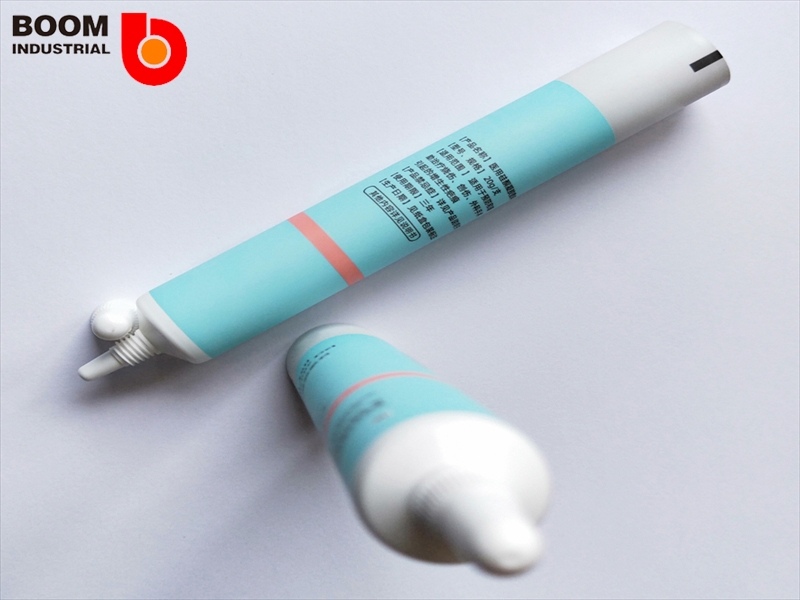
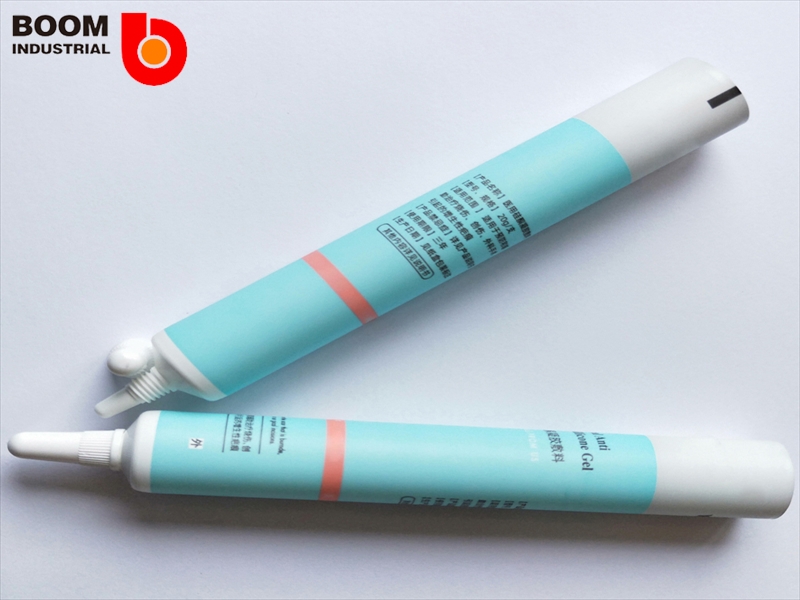
Pbl laminate tubes deliver several advantages. They offer vibrant printing options, so brands can create eye-catching designs. The soft-touch finish feels premium in the hand. I notice that these tubes spring back to shape after squeezing, which improves user experience. Their durability makes them ideal for organic serums and mild formulas. The EVOH layer ensures a good barrier against oxygen, though not as strong as aluminum. For companies focused on sustainability, pbl tubes provide a fully recyclable option.
Aluminum Barrier Laminate Tubes (ABL)
Structure and Materials
Aluminum barrier laminate tubes use a multi-layer design with a thin aluminum foil at the core. This aluminum layer blocks over 99% of oxygen, light, and moisture. The structure combines plastic layers with aluminum, which gives the tube excellent peel strength and stiffness. I rely on aluminum barrier laminate tubes when a product needs maximum protection from environmental factors.
Key Features
These tubes stand out for their metallic sheen and shape retention. When squeezed, they hold their form well. The aluminum layer makes them perfect for sensitive cosmetic formulas and high-end products. I find that aluminum barrier laminate tubes work best for serums and creams that require a nearly impenetrable barrier. However, the mixed materials limit recyclability, which can be a drawback for brands with strict sustainability goals.
Main Differences
I compare pbl tubes and aluminum barrier laminate tubes using several criteria. The table below summarizes the main differences:
Feature | Aluminum Barrier Laminate | Plastic Barrier Laminate |
|---|
Structure | Contains aluminum foil | All-plastic layers with EVOH |
Barrier Properties | Excellent against oxygen, moisture, light | Good for many formulations |
Recyclability | Limited | Fully recyclable |
Aesthetic | Metallic finish | Brilliant printing, soft-touch |
Stiffness and Shape Retention | Excellent peel strength and stiffness | Excellent springback and stiffness |
The presence of EVOH in pbl tubes gives them a strong oxygen barrier, though aluminum in ABL tubes offers nearly impenetrable protection. I choose between these options based on the product’s sensitivity, branding needs, and sustainability targets.
ABL vs PBL Laminate Tubes: Barrier Protection
Oxygen and Moisture Barrier
When I evaluate barrier tubes, I always start by comparing their oxygen barrier and moisture barrier capabilities. These two factors determine how well the packaging protects sensitive formulas from degradation. The oxygen transmission rate and water vapor transmission rate are the most important metrics for this comparison.
I rely on the following table to illustrate the differences in barrier performance:
Tube Type | Oxygen Transmission Rate (OTR) | Water Vapor Transmission Rate (WVTR) |
|---|
ABL Tubes | Near zero OTR (industry gold standard) | Very low WVTR |
PBL Tubes | Low OTR (very good) | Slightly higher WVTR than ABL |
ABL tubes set the standard for ultimate barrier protection. The aluminum layer in these barrier tubes blocks over 99% of oxygen and moisture, resulting in a superior barrier against environmental threats. This means the oxygen barrier in ABL tubes is nearly impenetrable, and the moisture barrier is extremely effective. PBL tubes, on the other hand, use EVOH as their main oxygen barrier. While EVOH provides good barrier properties, the oxygen transmission rate is slightly higher than in ABL tubes. The water vapor transmission rate in pbl tubes is also a bit higher, but still offers good barrier properties for most applications.
I have seen that the performance of barrier tubes depends on the specific construction. Multi-layer designs with EVOH in pbl tubes deliver a strong oxygen barrier, but the aluminum in ABL tubes always provides a superior barrier for both oxygen and moisture. This difference becomes critical when packaging products that are highly sensitive to oxygen or require long-term stability.
Product Sensitivity and Shelf Life
The choice between ABL and pbl tubes often comes down to the sensitivity of the product and the desired shelf life. I always consider how exposure to oxygen and moisture can impact the stability of active ingredients, especially anti-oxidants. Many cosmetic and pharmaceutical products lose their effectiveness when exposed to air or humidity. The oxygen barrier and moisture barrier in barrier tubes play a direct role in preserving these products.
Here is a table that summarizes how barrier performance affects shelf life:
Tube Type | Barrier Properties | Impact on Shelf Life |
|---|
ABL | Excellent protection against air, light, and moisture | Extends shelf life of products |
PBL | Multi-layer construction with EVOH layers | Preserves sensitive ingredients and maintains sterility |
5-layer | Enhanced oxygen protection | Critical for products requiring extended shelf life |
I have tested barrier tubes using water vapor transmission rate and oxygen permeability testing. These tests show that ABL tubes deliver the ultimate barrier, which is essential for products that contain anti-oxidants or require maximum stability. PBL tubes, with their multi-layer EVOH construction, also maintain product stability and sterility, making them suitable for many sensitive formulations.
Best Use Cases for Each Tube
I always match the barrier performance of the tube to the needs of the product. Some products demand a superior barrier, while others can use tubes with good barrier properties and still maintain quality. The following table helps me decide which barrier tubes to recommend:
Tube Type | Oxygen Barrier | Moisture Barrier | Best Use Case |
|---|
ABL | 100% | 100% | Highly sensitive products |
PBL | Effective | Less effective | Less sensitive formulations |
For highly sensitive products—such as cosmetics, personal care, and pharmaceutical creams—I choose ABL tubes. These barrier tubes provide the oxygen barrier and moisture barrier needed to protect anti-oxidants and ensure long-term stability. I use ABL tubes for facial creams, sunscreens, skincare serums, and medicated ointments. These products benefit from the superior barrier and extended shelf life.
For everyday products or brands focused on sustainability, I recommend pbl tubes. These barrier tubes offer good barrier properties and are fully recyclable. They work well for less sensitive formulations, such as standard lotions, gels, and eco-friendly personal care items. The oxygen barrier and moisture barrier in pbl tubes are sufficient for products that do not require the ultimate barrier.
Tip: Always assess the product’s sensitivity to oxygen and moisture before selecting barrier tubes. Products with high levels of anti-oxidants or those that require maximum stability will benefit most from ABL tubes. For less sensitive products, pbl tubes provide a balance of barrier performance and sustainability.
In my experience, understanding the oxygen transmission rate and water vapor transmission rate of each tube type allows me to make informed decisions. I always prioritize barrier performance to ensure product quality, stability, and consumer satisfaction.
Sustainability of PBL Laminate Tubes and ABL Tubes
Recyclability of PBL Tubes
When I evaluate eco-friendly packaging, I always look at recyclability first. PBL tubes have made significant progress in this area. Traditional PBL tubes use multiple plastic layers, which can complicate recycling. Sorting different plastics often slows down the recycling process and reduces efficiency. However, mono-material pbl tubes have changed the landscape. These tubes use high-density polyethylene (HDPE) for all layers. This uniform composition makes recycling much easier and more effective.
Here is a table that summarizes the recyclability of different tube types:
Tube Type | Composition | Recyclability |
|---|
Mono-material PBL | High-density polyethylene (HDPE) | Easier due to uniform composition |
Traditional PBL | Multi-layer laminates | Requires sorting different plastics |
ABL | Multi-layer laminates | Requires sorting different plastics |
I recommend mono-material pbl tubes to brands that want to improve their eco-friendly packaging profile. These tubes fit well into existing recycling streams and support sustainable packaging goals. As more recycling facilities accept HDPE, the demand for recyclable options continues to grow.
Recyclability of Aluminum Barrier Laminate Tubes
Aluminum barrier laminate tubes present more challenges for recycling. Their structure combines aluminum foil with several plastic layers. This multi-material design makes separation difficult during recycling. Most facilities cannot process these tubes without advanced sorting technology. As a result, many ABL tubes end up in landfills instead of being recycled.
I have seen some brands try to improve recyclability by reducing the thickness of the aluminum layer. However, this approach often compromises barrier performance. For brands that prioritize sustainable material options, ABL tubes may not offer the best solution. I always inform clients about these limitations when they consider eco-friendly packaging.
Environmental Impact
I believe that sustainable packaging must balance product protection with environmental responsibility. PBL tubes, especially mono-material designs, offer a lower environmental footprint. Their recyclability reduces waste and supports a circular economy. These tubes also use less energy during recycling compared to multi-material options.
ABL tubes provide excellent barrier properties, but their recyclability remains limited. The combination of aluminum and plastic increases the complexity of recycling and adds to landfill waste. When I advise clients, I encourage them to consider the full life cycle of their packaging. Choosing recyclable options helps brands meet consumer demand for eco-friendly packaging and supports long-term sustainability goals.
Tip: If your brand values eco-friendly packaging, prioritize mono-material pbl tubes. These tubes deliver strong product protection and align with sustainable packaging trends.
Choosing for Sustainability
When I help brands select sustainable packaging, I always start with a clear framework. I look at recyclability, environmental certifications, and the practical realities of local recycling programs. I know that not every tube labeled “eco-friendly” actually supports a circular economy. I focus on solutions that deliver real-world impact.
I recommend the following steps for brands that want to make responsible choices:
Assess Local Recycling Capabilities
I check if local recycling facilities accept the packaging material. Mono-material designs, such as high-density polyethylene, usually fit into most recycling streams. Multi-material tubes often do not.
Prioritize Recognized Certifications
I look for packaging that carries third-party certifications. These certifications confirm that the tube meets industry standards for recyclability and environmental safety.
Balance Barrier Needs with Sustainability
I evaluate the product’s sensitivity. If a formula requires a high barrier, I consider whether the added protection justifies the environmental trade-off. For less sensitive products, I choose fully recyclable options.
Communicate Sustainability to Consumers
I advise brands to share their packaging choices with customers. Clear labeling and transparent communication build trust and support eco-conscious purchasing decisions.
I use the following table to compare the sustainability credentials of common tube types:
Tube Type | Recyclability | Certifications |
|---|
PBL Tubes | Fully recyclable through local programs | Recognized recyclability certifications |
ABL Tubes | Challenging to recycle due to mixed materials | N/A |
This table helps me explain the differences to clients. PBL tubes stand out because they are fully recyclable and often carry recognized certifications. ABL tubes, while excellent for barrier protection, rarely meet recyclability standards due to their mixed-material structure.
Note: I always remind clients that sustainability is not just about materials. It includes the entire life cycle of the packaging, from production to disposal. Choosing the right tube means balancing product safety, environmental responsibility, and consumer expectations.
I believe that informed choices drive real progress. By focusing on recyclability, certifications, and transparent communication, I help brands align their packaging with both market trends and environmental goals.
Cost and Production Factors
Material and Manufacturing Costs
When I help clients choose between tube types, I always start with material and manufacturing costs. PBL tubes use only plastic layers, which usually cost less than aluminum-based options. The price of raw materials can fluctuate, but plastic remains more stable than aluminum. I notice that the manufacturing process for PBL tubes is also more straightforward. The machines run faster and require less energy. This efficiency reduces overall production costs.
Aluminum barrier laminate tubes require a more complex process. The addition of an aluminum layer increases both material and energy costs. The machinery must handle multiple materials and maintain precise alignment. This complexity often leads to higher labor and maintenance expenses. I always advise clients to consider these factors when budgeting for new packaging.
Note: Raw material prices can change quickly. I recommend reviewing market trends before making large orders.
Order Quantities and Lead Times
Order quantity plays a big role in cost. I see that most manufacturers set minimum order quantities for both PBL and aluminum barrier laminate tubes. PBL tubes usually have lower minimums because the production process is more flexible. This flexibility helps smaller brands manage inventory and cash flow.
Lead times also differ. PBL tubes often have shorter lead times due to simpler manufacturing steps. Aluminum barrier laminate tubes take longer to produce. The extra steps for adding and bonding the aluminum layer add time. I always plan ahead with clients who need aluminum barrier laminate tubes to avoid delays.
Here is a quick comparison:
Factor | PBL Tubes | Aluminum Barrier Laminate Tubes |
|---|
Minimum Order Quantity | Lower | Higher |
Typical Lead Time | Shorter | Longer |
Cost-Effectiveness by Application
I match tube types to the needs of each product. For high-volume, fast-moving consumer goods, PBL tubes offer the best cost-effectiveness. Their lower material and production costs make them ideal for everyday items. I recommend them for standard lotions, gels, and personal care products.
Aluminum barrier laminate tubes make sense for premium or sensitive products. The higher cost is justified by the superior barrier properties. I use them for pharmaceuticals, high-end cosmetics, and products with long shelf life requirements.
Tip: Always align your packaging choice with your product’s value and market position. This approach ensures you get the best return on investment.
Print Quality and Branding
PBL Tubes Print Capabilities
When I work with brands that want to make a strong visual impact, I often recommend PBL tubes for their print quality. These tubes excel at displaying high-definition and complex graphics. I can achieve vibrant colors and sharp details because PBL tubes support a wide color gamut. This capability allows me to bring bold branding ideas to life. I notice that PBL tubes handle intricate patterns and gradients well, which helps when a client wants to showcase detailed artwork or unique designs.
PBL tubes are ideal for high-definition, complex graphics.
They offer a wide color gamut for vivid branding.
I can use various printing techniques, such as flexographic and digital printing, to achieve the desired effect.
The seamless body of PBL tubes also supports minimalist branding. I often use translucent or colored plastics to create a modern look. This flexibility gives me more creative freedom when designing packaging for personal care or cosmetic products.
ABL Tubes Print Capabilities
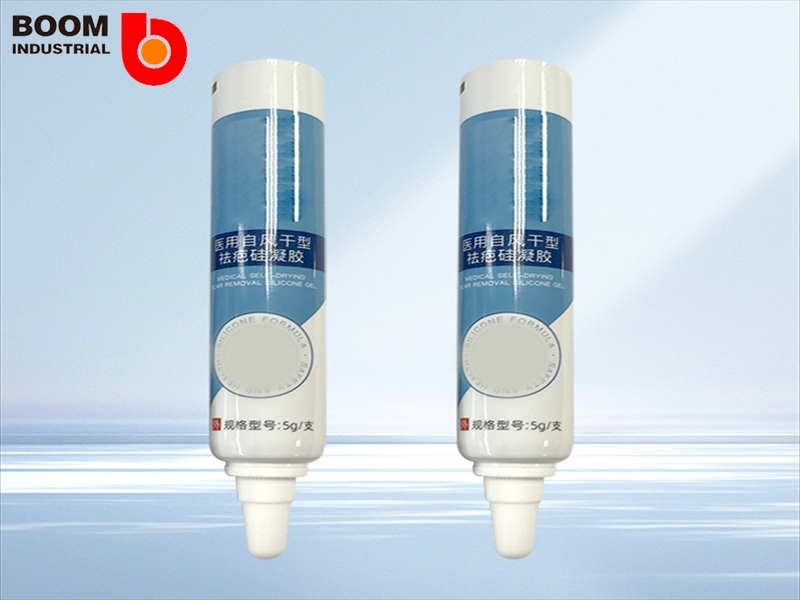
ABL tubes provide a different set of advantages for print and branding. The manufacturing process prints graphics on a flat laminate before forming the tube. This method allows for superior print quality and 360-degree decoration. I can create photorealistic images and seamless artwork that wraps around the entire tube, even over the side seam. This feature is especially useful for brands that want a premium, uninterrupted look.
ABL tubes allow for photorealistic images and seamless 360-degree artwork.
Printing on a flat surface ensures high detail and consistency.
The aluminum layer can be used for metallic effects, adding a luxurious finish.
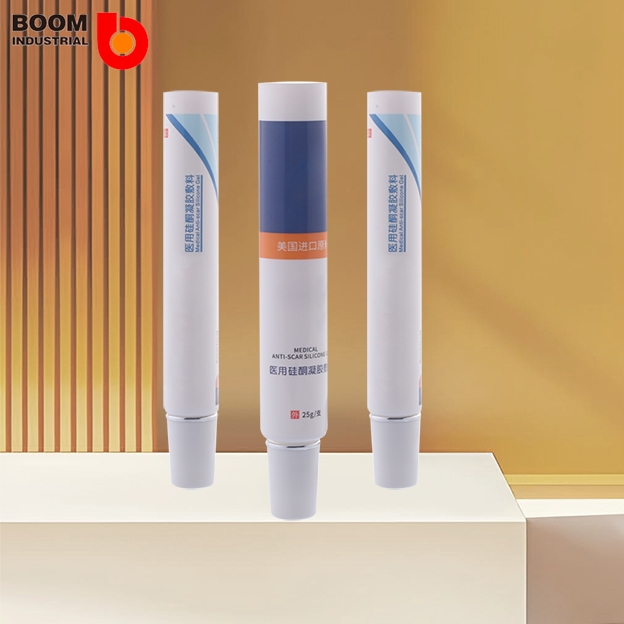
I often use the metallic sheen of the aluminum layer to create eye-catching effects. This approach gives the packaging a high-end, luxurious appearance without the need for expensive finishing processes. For products that target the luxury market, ABL tubes help elevate the brand image.
Visual Appeal in Packaging
Visual appeal plays a key role in how consumers perceive a product. I always consider how the tube’s finish, color, and print quality align with the brand’s identity. PBL tubes offer a soft-touch feel and a seamless body, which appeals to brands that value simplicity and modern aesthetics. I can produce these tubes in a range of colors, including translucent options, to match different branding strategies.
ABL tubes, on the other hand, stand out for their metallic effects and ability to display detailed, wraparound graphics. The combination of photorealistic printing and a glossy finish creates a sense of luxury and exclusivity. I find that consumers often associate these visual cues with higher product value.
Tip: Choose PBL tubes for vibrant, modern designs and eco-friendly branding. Select ABL tubes when you want to highlight luxury, metallic effects, or photorealistic artwork.
In my experience, both tube types offer unique opportunities for branding. The right choice depends on the desired visual impact and the message the brand wants to convey.
User Experience with PBL and ABL Tubes
Squeezability and Feel
When I evaluate packaging, I always pay attention to how a tube feels in the hand. Squeezability matters because it shapes the consumer’s first impression. I notice that PBL tubes offer a soft, flexible feel. The all-plastic construction allows the tube to spring back after each use. This flexibility makes it easy for users to dispense the right amount of product without much effort. I find that the soft-touch finish also adds a premium sensation, which many consumers appreciate.
In contrast, ABL tubes feel firmer and more rigid. The aluminum layer gives these tubes a sturdy structure. When squeezed, they hold their shape and do not bounce back as much as plastic tubes. Some users prefer this firmness because it signals durability and product protection. Others may find it less comfortable, especially for products that require frequent dispensing.
Tip: I recommend testing both tube types with your target audience. Hands-on feedback often reveals which feel best matches your brand’s promise.
Dispensing and Functionality
Dispensing performance can make or break the user experience. I have compared both tube types in consumer tests and noticed clear differences. PBL tubes excel in flexibility and allow for smooth, controlled dispensing. The tube’s structure adapts to gentle pressure, which helps users get every last drop of product. This feature reduces waste and increases satisfaction.
ABL tubes, with their aluminum barrier, provide excellent product integrity. The rigid structure protects sensitive formulas and maintains long-term freshness. However, the firmer body can make it harder to dispense thick or viscous products. Some users may need to apply more force, which can affect convenience.
I use the following table to summarize the key features and performance characteristics:
Tube Type | Key Features | Performance Characteristics |
|---|
ABL | Aluminum layer for higher barrier protection | Provides long-term protection and product integrity |
PBL | Plastic-based barrier structure | Offers flexibility, aesthetics, and customization options |
This comparison helps me match tube functionality to the product’s needs. For lotions and gels, I often choose PBL tubes. For medicated creams or formulas that require maximum protection, I select ABL tubes.
Consumer Preferences
Consumer preferences often guide my final recommendation. Many users value packaging that feels comfortable and looks attractive. I have seen that younger consumers and eco-conscious shoppers gravitate toward PBL tubes. They like the soft feel, modern look, and recyclability. These features align with current trends in sustainable packaging.
Some consumers prefer the sturdy feel and metallic finish of ABL tubes. They associate these qualities with high-end or pharmaceutical products. I always consider the target market and product positioning before making a decision.
Note: I encourage brands to gather direct feedback from their customers. Real-world opinions can reveal subtle preferences that influence repeat purchases.
By focusing on squeezability, dispensing, and consumer feedback, I ensure that the packaging not only protects the product but also delights the end user.
Packaging Suitability by Product Type
Cosmetics and Personal Care
I see that squeeze tubes dominate the cosmetics and personal care industry. Plastic tube packaging offers convenience and allows users to control dispensing, which minimizes waste. The durability and versatility of these tubes help preserve delicate formulations. In my experience, brands choose squeeze tubes for skincare, haircare, and hygiene products because they are user-friendly and economical. The market value for squeeze tubes reached USD 1.4 billion in 2024, showing their popularity. I often recommend these tubes for their hygienic maintenance and portability.
Squeeze tubes are easy to use and allow for controlled dispensing.
They reduce product waste and are lightweight, making them portable.
Their versatility accommodates both liquid and semi-solid formulations.
I notice that both PBL and ABL tubes serve this sector well. PBL tubes appeal to brands focused on sustainability and vibrant branding. ABL tubes provide superior barrier protection for sensitive creams and serums. I match the tube type to the product’s needs, considering shelf life and consumer expectations.
Food and Pharmaceuticals
I always pay close attention to barrier requirements when selecting tubes for food and pharmaceutical products. These items often contain active ingredients that degrade quickly if exposed to air or moisture. ABL tubes offer nearly impenetrable protection, which extends shelf life and maintains product potency. I use ABL tubes for medicated ointments, toothpaste, and specialty food items that require maximum freshness. PBL tubes work well for less sensitive products, such as gels or organic foods, where recyclability is a priority.
I advise clients to consider regulatory standards and product sensitivity. For pharmaceuticals, I recommend tubes with proven barrier properties and certifications. For food products, I look for packaging that preserves flavor and prevents contamination.
Industrial and Specialty Products
I rely on both PBL and ABL tubes for industrial and specialty applications. These products often demand high chemical resistance and extended shelf life. I use the following table to highlight key features:
Feature | Description |
|---|
Barrier Protection | 100% barrier against gases, moisture, and UV light, ensuring product integrity. |
Shelf Life | Extended shelf life for sensitive products, maintaining freshness and potency. |
Chemical Resistance | Superior resistance for aggressive formulations, ideal for demanding markets. |
Customization | Options for tube dimensions, cap styles, finishes, and decoration to match brand identity. |
Printing & Decoration | Advanced capabilities including silk screen, offset, digital, hot stamping, and cold stamping. |
Target Industries | Preferred in cosmetics, pharmaceuticals, oral care, and specialty food products. |
I select tube types based on the formulation’s aggressiveness and the need for customization. Industrial products benefit from advanced printing and decoration options, which help brands stand out. I always ensure that packaging meets the demands of the market and protects the product throughout its lifecycle.
Quick-Reference: ABL vs PBL Laminate Tubes
Comparison Table and Checklist
When clients ask me for a quick summary of abl vs pbl laminate tubes, I always refer to a simple table. This table helps me explain the most important differences at a glance. I find that a visual comparison makes it easier to choose the right tube for any project.
Feature | ABL Tubes | PBL Tubes |
|---|
Barrier Protection | Superior (aluminum core) | Very good (EVOH layer) |
Recyclability | Limited (multi-material) | Excellent (mono-material HDPE) |
Print Quality | Metallic effects, 360° artwork | Vivid colors, soft-touch finish |
Squeezability | Firm, holds shape | Flexible, springs back |
Cost | Higher (complex materials) | Lower (all-plastic) |
Best Use Cases | Sensitive, premium products | Everyday, eco-friendly products |
Lead Time | Longer | Shorter |
Minimum Order Quantity | Higher | Lower |
I use this table to guide my conversations with brand managers and product developers. It covers the main points that matter most in packaging decisions.
To make the selection process even easier, I created a decision checklist. This checklist helps me and my clients focus on the key factors that drive the choice between abl vs pbl laminate tubes.
Decision Checklist:
Does your product require maximum protection from oxygen, moisture, or light?
Is recyclability or sustainability a top priority for your brand?
Do you want a premium, metallic look for your packaging?
Are you looking for vibrant colors and a soft-touch feel?
Is cost a major concern for your project?
Do you need shorter lead times or lower minimum order quantities?
Tip: I always recommend reviewing this decision checklist with your team before making a final choice. It ensures that your packaging aligns with your product’s needs and your brand’s goals.
This quick-reference guide gives me confidence when I advise clients. I know that by comparing abl vs pbl laminate tubes side by side, I can help brands make informed, effective decisions for their packaging.
How to Choose the Right Packaging Tube
Key Decision Factors
I always start by identifying the main factors that influence tube selection. I look at product sensitivity, branding requirements, cost constraints, and sustainability goals. I ask clients about their priorities and expectations. I use a checklist to guide my recommendations:
Product sensitivity to oxygen, moisture, or light
Desired shelf life and freshness
Brand image and visual appeal
Budget and production volume
Sustainability goals and recyclability
I find that clear priorities help me match the tube type to the product’s needs. I encourage brands to review these factors before making a final decision.
Scenario-Based Recommendations
I often use real-world scenarios to illustrate which tube is best for each situation. I share these examples with clients to simplify the selection process.
High-Barrier Needs
I recommend aluminum barrier laminate tubes for products that require maximum protection. Sensitive formulas, such as pharmaceuticals and anti-aging creams, benefit from the superior barrier. The aluminum layer blocks oxygen and moisture, extending shelf life. I choose ABL tubes when product integrity is critical.
Tip: If your product contains active ingredients that degrade quickly, ABL tubes are best for preserving quality.
Sustainability Goals
I focus on sustainability goals when brands want eco-friendly packaging. Mono-material pbl tubes support recycling and reduce environmental impact. I select these tubes for clients who value a circular economy. I check local recycling capabilities to ensure compatibility. I advise brands to communicate their sustainability goals to consumers through clear labeling.
Mono-material pbl tubes fit most recycling streams
Lower environmental footprint supports sustainability goals
Transparent communication builds consumer trust
Premium Branding
I choose ABL tubes for brands that want a luxurious look. The metallic finish and photorealistic printing create a high-end appearance. I use these tubes for products that target the premium market. I recommend PBL tubes for vibrant colors and modern designs. Both options offer advanced decoration, but I match the tube to the brand’s identity.
Branding Focus | Best for |
|---|
Metallic, luxury | ABL tubes |
Vibrant, modern | PBL tubes |
Cost-Sensitive Choices
I select PBL tubes for projects with tight budgets. The all-plastic construction lowers material and manufacturing costs. I use these tubes for high-volume, everyday products. I recommend ABL tubes only when barrier needs justify the higher expense.
Note: I always align packaging choices with product value and market position to maximize return on investment.
I believe that clear priorities and scenario-based recommendations help brands choose the best packaging solution. I always consider sustainability goals, product protection, branding, and cost to ensure the right fit.
I see clear strengths in both PBL and ABL tubes. PBL tubes offer recyclability and vibrant branding, while ABL tubes deliver unmatched barrier protection for sensitive formulas. The best choice depends on your product’s needs—barrier, sustainability, and visual appeal. I recommend reviewing the quick-reference table and scenario checklist to guide your decision. If you need tailored advice, I suggest consulting with a packaging expert to match your formula’s sensitivity, desired tube feel, and sustainability priorities.
FAQ
What is the main difference between PBL and ABL tubes?
I see the main difference in the barrier layer. PBL tubes use an EVOH plastic barrier, while ABL tubes use an aluminum foil barrier. This choice impacts recyclability, protection, and cost.
Are PBL tubes safe for food and pharmaceuticals?
Yes, I often recommend PBL tubes for food and pharmaceutical products. They meet safety standards and provide a strong barrier for many formulations. I always check for certifications before finalizing packaging.
Can I recycle ABL tubes in my local program?
Most recycling programs do not accept ABL tubes because they contain both plastic and aluminum. I advise clients to check with local facilities. Mono-material PBL tubes offer better recyclability.
Which tube type is better for premium branding?
I choose ABL tubes for luxury products. The metallic finish and photorealistic printing create a high-end look. PBL tubes work well for vibrant, modern designs.
How do I decide which tube is best for my product?
I start by reviewing product sensitivity, branding goals, cost, and sustainability needs. I use a checklist to match the tube type to these priorities.
Do PBL tubes cost less than ABL tubes?
Yes, I usually find PBL tubes cost less. The all-plastic structure and simpler manufacturing process keep prices lower. ABL tubes cost more due to the aluminum layer and complex production.
What printing options are available for each tube?
Tube Type | Printing Options |
|---|
PBL | Flexographic, digital, offset |
ABL | Photorealistic, metallic effects |
I select the printing method based on the desired look and brand requirements.