Cosmetic Tubes Packaging Showdown: Which Material Wins?
Cosmetic Tubes Packaging Showdown: Which Material Wins?
I see cosmetic tubes packaging as a dynamic field where the choice of material directly affects durability, sustainability, cost, and the overall cosmetic experience. I consider plastic tubes the current market leader, holding 52.60% of the laminated tubes segment in 2025. Aluminum tubes show strong growth potential, while paper and laminated tubes gain traction with eco-conscious brands. When I evaluate cosmetic tubes packaging, I look at how each option balances product protection and user experience. The rise of sustainable packaging reflects a shift toward environmental responsibility and reduced environmental impact. Each cosmetic brand should weigh these packaging materials based on their unique priorities and consumer expectations.
Plastic tubes
Aluminum tubes
Paper tubes
Laminated tubes
Key Takeaways
Plastic tubes offer excellent durability, flexibility, and cost-effectiveness, making them ideal for everyday cosmetic products.
Aluminum tubes provide superior protection against light and oxygen, are highly recyclable, and give a premium feel to products.
Paper tubes are eco-friendly and biodegradable but have lower durability and barrier protection, best suited for solid or semi-solid cosmetics.
Laminated tubes combine plastic and aluminum layers for strong barrier protection and design versatility but face recycling challenges.
Choosing the right tube depends on balancing product protection, sustainability goals, cost, and user experience.
Sustainability favors aluminum and paper tubes due to recyclability and biodegradability, while plastic and laminated tubes have recycling limitations.
Customization options exist for all materials, helping brands create unique packaging that connects with consumers.
Luxury brands benefit from aluminum tubes and innovative designs that combine premium feel with eco-friendly features.
Plastic Tubes Overview
Durability
Breakage Resistance
When I evaluate cosmetic tube materials, I always consider how well they withstand daily use. Plastic tubes excel in breakage resistance. I rarely see them crack or shatter, even when dropped or squeezed repeatedly. Polyethylene stands out as the most common plastic in this category. By 2025, it will likely hold 53.8% of the market share for cosmetic tube materials. Its lightweight and impact-resistant nature makes it a top choice for brands that want reliable packaging.
Polyethylene: Lightweight, flexible, squeezable, and impact-resistant
Polypropylene: Durable, resists fatigue, and maintains shape
PET (Polyethylene Terephthalate): Offers clarity and moderate strength
These plastic tubes protect products from accidental drops and rough handling, which I find essential for both consumers and retailers.
Flexibility
Flexibility sets plastic tubes apart from other cosmetic tube materials. I notice that plastic tubes bend and return to their original shape without permanent deformation. This flexibility allows for easy dispensing and ensures the tube remains functional throughout its use. Polyethylene, in particular, expands at a projected rate of 5.5% in the cosmetic packaging sector, largely due to its superior flexibility and user-friendly design.
Sustainability
Recycling Challenges
Sustainability remains a major concern in the cosmetic industry. I often encounter challenges with recycling plastic tubes. Many tubes use mixed plastics or laminates, which complicate the recycling process. Most recycling facilities require tubes to be clean and sorted, but many plastic tubes end up in landfills or incinerators. This issue limits the sustainability of plastic tubes and increases their environmental impact.
Lifecycle Carbon Footprint
The environmental impact of plastic tubes extends beyond recyclability. When I compare plastic tubes to cardboard tubes, the difference becomes clear:
Aspect
Cardboard Tubes
Plastic Tubes
Raw Materials
Made from recycled paper or sustainably harvested wood pulp; renewable and biodegradable
Made from petroleum-based polymers; non-renewable fossil fuels
Recyclability
Highly recyclable in most curbside programs; compostable; breaks down naturally
Difficult to recycle due to mixed plastics or laminates; requires cleaning and sorting; mostly landfilled or incinerated
Carbon Footprint
Lower energy consumption and emissions; producing 1 ton of recycled cardboard emits significantly less CO₂
Biodegradable; supports circular economy; no long-term toxicity
Persistent pollution; microplastic contamination; toxic emissions when incinerated
Plastic tubes require more energy to produce and emit more carbon dioxide than cardboard alternatives. I see this as a key factor for brands focused on reducing their environmental footprint.
Cost
Production and Shipping
Plastic tubes offer cost advantages that appeal to many cosmetic brands. I find that plastic tubes are inexpensive to manufacture due to efficient mass production processes. Their lightweight nature reduces shipping costs, making them a practical choice for large-scale distribution. These cost benefits help brands remain competitive in a crowded market, even as they weigh the environmental impact and sustainability of their packaging choices.
Product Protection
Barrier Properties
I always prioritize product protection when I select packaging for cosmetics. Plastic tubes play a crucial role in safeguarding sensitive ingredients from contamination and degradation. The barrier properties of plastic tubes ensure that formulas containing vitamin C or retinol remain stable and effective throughout their shelf life. I notice that plastic tubes provide excellent sealing integrity, which prevents air and moisture from entering the tube. This feature maintains the quality of the product and reduces the risk of spoilage. The compatibility of plastic with a wide range of cosmetic formulations allows brands to package creams, gels, and serums without worrying about adverse reactions. I find that the structure and material of plastic tubes can significantly enhance the longevity and performance of cosmetic products. When I compare plastic tubes to other packaging options, I see that their barrier properties consistently deliver reliable protection for both consumers and manufacturers.
User Experience
Squeezability
I value the user experience that plastic tubes offer. The squeezability of plastic tubes stands out as a major advantage. I can easily dispense the desired amount of product with a gentle squeeze, which minimizes waste and ensures precise application. The cylindrical design of plastic tubes makes them comfortable to hold and operate. I appreciate how plastic tubes maintain their shape after repeated use, which keeps the packaging looking neat and professional. Smooth squeezing and effortless cap operation contribute to overall satisfaction for both consumers and brands. I often see plastic tubes used for products that require controlled dispensing, such as facial cleansers and lotions. The flexibility of plastic tubes allows for consistent performance, even as the tube empties.
Customization
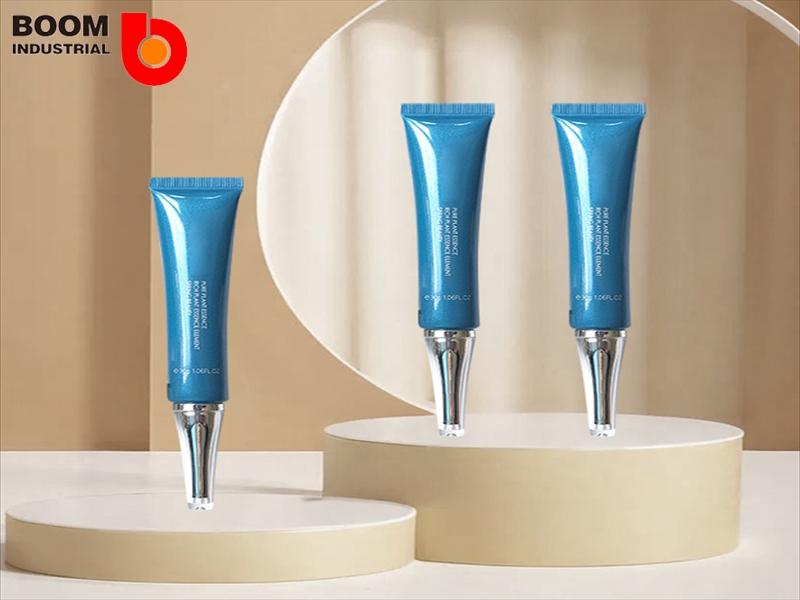
Customization is another area where plastic tubes excel. I frequently work with brands that want unique packaging to reflect their identity. Plastic tubes offer a wide range of customization options, including printing, color schemes, and dimensions. I can create packaging that stands out on the shelf and appeals to target audiences. Modern consumers prefer packaging that is easy to carry and mess-free. Features like a cooling metal tip applicator enhance the user experience and add value to the product. The versatility of plastic tubes allows brands to experiment with innovative designs and functional enhancements. I believe that plastic tubes provide the flexibility needed to meet evolving consumer preferences and market trends.
Customizable designs including printing, color schemes, and dimensions.
Modern consumers prefer packaging that is easy to carry and mess-free.
Features like a cooling metal tip applicator enhance user experience.
I see plastic tubes as the ideal choice for brands that want to combine product protection with a superior user experience. The combination of barrier properties, squeezability, and customization makes plastic tubes a leader in cosmetic packaging.
Aluminum Tubes Overview
Durability
Dents and Corrosion
When I assess cosmetic tube materials, I always pay close attention to the durability of aluminum tubes. I find that aluminum tubes offer impressive puncture resistance, which means they rarely fail under normal use. The structure of aluminum allows for easy squeezing, so I can evacuate nearly all of the product without much effort. This feature reduces waste and maximizes value for both brands and consumers.
Feature
Description
Puncture-resistant
Aluminum tubes are designed to withstand punctures, enhancing durability.
Easy squeezing
The construction allows for easy product evacuation, reducing waste.
Complete product evacuation
Ensures that the product can be fully used, indicating effective design.
However, I have noticed that aluminum tubes can develop dents if handled roughly. These dents rarely affect the tube’s ability to protect the product inside, but they may impact the visual appeal. Corrosion is another consideration. I always recommend using internal coatings or linings to prevent reactions between the aluminum and sensitive cosmetic formulas. This extra layer ensures long-term protection and maintains product integrity.
Sustainability
Recyclability
Sustainability remains a top priority for me when selecting packaging. Aluminum tubes stand out as the gold standard for recyclability. I appreciate that aluminum can be recycled indefinitely without any loss of quality. In my experience, aluminum squeeze tubes achieve 99.8% material purity during recycling, which is unmatched by most other cosmetic tube materials. Unlike plastic tubes, which often end up in landfills or are downcycled, aluminum tubes re-enter the production cycle as high-quality material every time.
Aluminum can be recycled indefinitely without quality loss.
Aluminum squeeze tubes achieve 99.8% material purity and can be recycled indefinitely without quality degradation.
Aluminum is considered the gold standard for recyclability, as virtually all aluminum packaging can be recycled indefinitely.
This high level of recyclability reduces the environmental impact of cosmetic packaging and supports a circular economy.
Energy Use
I always consider the environmental cost of manufacturing. The recycling process for aluminum uses 95% less energy than producing new aluminum from raw materials. This efficiency dramatically lowers the environmental footprint of aluminum tubes. When I compare aluminum to plastic and paper, I see that aluminum’s energy savings and closed-loop recyclability make it a leader in sustainability. The environmental benefits extend beyond just recyclability—they also include reduced greenhouse gas emissions and resource conservation.
Cost
Manufacturing and Market Price
Cost plays a significant role in packaging decisions. I have found that the average market price for aluminum cosmetic tubes is approximately $0.20 per unit. This price reflects the higher material and manufacturing costs compared to plastic tubes, but I believe the benefits of superior barrier protection, recyclability, and premium feel often justify the investment. Brands that prioritize sustainability and product protection often choose aluminum tubes despite the higher upfront cost.
Tip: I recommend aluminum tubes for brands seeking a balance between durability, sustainability, and a premium consumer experience. The initial investment pays off through enhanced product protection and environmental responsibility.
Product Protection
Oxygen and Light Barrier
When I select packaging for sensitive cosmetic products, I always prioritize protection from environmental factors. Aluminum tubes excel in this area. I have seen how aluminum tubes offer exceptional sealing that prevents air and light from entering the container. This feature protects ingredients like vitamin C and hyaluronic acid from oxidation. I know that oxidation can quickly degrade these actives, reducing their effectiveness. By using aluminum tubes, I can extend the shelf life of skincare products and preserve their efficacy.
Aluminum tubes provide near-absolute barrier protection against oxygen, moisture, and light. This level of protection is critical for active-rich formulations. I often recommend aluminum tubes for products that must remain stable in challenging climates. In tropical and sub-tropical regions, heat and humidity can accelerate product deterioration. Aluminum tubes maintain the stability and potency of cosmetic products, even under variable storage conditions. I trust aluminum tubes to meet regulatory and quality standards for product safety and performance.
Sealing Capabilities
I value the tight sealing capabilities of aluminum tubes. The structure of aluminum allows for a crimped end that forms a secure closure. This design prevents leaks and contamination. I find that aluminum tubes keep products hygienic and fresh from the first use to the last. The sealing method also supports single-use and multi-use applications. For brands that require tamper-evident packaging, aluminum tubes deliver reliable results. I have seen how this feature reassures consumers about product integrity.
User Experience
Premium Feel
I notice that aluminum tubes consistently enhance the perceived value of cosmetic products. Many consumers associate aluminum tubes with a modern and high-end appearance. This perception elevates the brand’s image and signals premium quality. I often choose aluminum tubes for luxury skincare lines because they create a strong first impression.
Aluminum tubes project a sleek, contemporary look that appeals to style-conscious buyers.
Consumers appreciate packaging that is simple to open and reseal.
Aluminum tubes are compact and convenient for daily routines and travel.
I have received positive feedback from users who find aluminum tubes hygienic and easy to handle. The smooth surface and metallic finish add to the tactile experience. I believe that aluminum tubes offer a unique combination of functionality and aesthetics. This combination makes aluminum tubes a top choice for brands seeking to stand out in a competitive market.
Tip: I recommend aluminum tubes for products that require both advanced protection and a premium user experience. This packaging solution supports brand differentiation and consumer satisfaction.
When I evaluate cosmetic tube materials, I always consider how well they maintain integrity during use. Paper tubes offer a lightweight and eco-friendly option, but I notice their strength does not match that of plastic or aluminum. In my experience, paper tubes can handle everyday handling, but they may lose shape or become damaged if exposed to moisture or excessive pressure. I often refer to a comparison table to illustrate the advantages and disadvantages of each material:
Material
Advantages
Disadvantages
Paper
Eco-friendly, customizable, lightweight
Limited barrier properties, lower durability
Aluminum
High barrier, corrosion-resistant, recyclable
Higher cost, denting risk
Plastic
Durable, versatile, cost-effective
Environmental concerns, less recyclable
This table shows that while paper excels in environmental impact and customization, it falls short in durability and barrier properties. I recommend paper tubes for products that do not require high structural strength or for brands that prioritize sustainability over ruggedness.
Sustainability
Biodegradability
I always look for packaging that supports a lower environmental impact. Paper tubes stand out because they use biodegradable materials. I have seen these tubes break down naturally in composting environments, which reduces landfill waste. Many brands choose paper tubes to align with consumer demand for biodegradable and compostable packaging. I believe this feature gives paper tubes a clear advantage in sustainability.
Renewable Materials
I value the use of renewable resources in packaging. Paper tubes typically come from sustainably harvested wood pulp or recycled paper. This approach supports a circular economy and reduces reliance on fossil fuels. I often see brands highlight the renewable origin of their packaging to appeal to eco-conscious consumers. By choosing paper, I help reduce the environmental footprint of cosmetic packaging.
Cost
Production Costs
When I compare production costs, I find that paper tubes offer a competitive option, especially for brands seeking sustainable solutions. However, recycled paper boxes can cost 20–30% more than those made from virgin paper. I also notice that bioplastic tubes cost 40–50% more than traditional polyethylene tubes, and glass packaging can be two to three times the price of plastic jars. Here is a quick reference:
I advise brands to weigh the higher upfront costs of recycled and biodegradable materials against the long-term benefits of sustainability and positive brand perception. In my experience, consumers increasingly value environmental responsibility, which can justify the investment in paper tubes.
Product Protection
Suitability for Liquids
I always examine how well paper tubes protect cosmetic products, especially liquids. In my experience, paper tubes present unique challenges when used for liquid formulations. I have seen that the risk of leakage increases if the manufacturing process does not address certain technical details. I pay close attention to the bottom cover crimping process. This step plays a critical role in preventing leaks. If the crimping is not precise, even the best-designed paper tube can fail during shipping or storage.
To improve the structural integrity of paper tubes, I often recommend spiral lap winding technology. This method increases the compression strength of the tube by over 40%. I have found that this added strength helps prevent deformation during transportation. It also reduces the risk of accidental spills. When brands use spiral lap winding, they create a more robust package that stands up to the rigors of the supply chain.
Proper bottom cover crimping prevents leaks in liquid packaging.
Enhanced structure reduces deformation and accidental spills.
Despite these advances, I still see limitations. Paper tubes do not match the barrier properties of plastic or aluminum. Moisture and oil can eventually seep through if the tube lacks an internal liner or coating. For water-based or oily cosmetics, I always advise brands to use an additional barrier layer inside the paper tube. This step ensures the product remains safe and stable throughout its shelf life.
Note: I recommend paper tubes for semi-solid or solid cosmetics, such as balms or sticks. For liquid products, I only suggest paper tubes when the packaging includes advanced sealing and barrier solutions.
User Experience
Texture and Branding
I believe the tactile experience of paper tubes sets them apart in the cosmetic packaging market. When I hold a paper tube, I notice the natural, matte texture. This surface feels warm and organic, which appeals to eco-conscious consumers. The texture also provides a non-slip grip, making the tube comfortable to use.
From a branding perspective, I see paper tubes as a blank canvas. The surface accepts a wide range of printing techniques. I can apply vibrant colors, intricate patterns, or minimalist designs. Many brands use embossing or debossing to add a premium touch. I often suggest custom finishes, such as soft-touch coatings or foil stamping, to elevate the brand image.
Natural matte texture enhances tactile appeal.
Wide range of printing and finishing options.
Supports eco-friendly and artisanal brand stories.
I find that consumers associate paper tubes with sustainability and authenticity. The packaging tells a story before the product is even opened. For brands that want to highlight their commitment to the environment, paper tubes offer a powerful visual and sensory message.
Tip: I encourage brands to leverage the unique texture and customizable surface of paper tubes. These features help products stand out on the shelf and connect with environmentally aware customers.
Laminated Tubes in Cosmetic Tubes Packaging
Structure and Materials
When I select laminated tubes for cosmetic packaging, I always examine their multi-layer construction. These tubes combine different materials to achieve a balance of flexibility, strength, and barrier protection. The most common materials include LDPE (low-density polyethylene), HDPE (high-density polyethylene), PBL (plastic barrier laminate), and ABL (aluminum barrier laminate). Each material brings unique properties to the tube, which influences its performance and suitability for specific products.
The best possible barrier against light, oxygen, and moisture.
I find that PBL tubes work best for products that need flexibility and a strong barrier, while ABL tubes excel when maximum protection is required. The choice of material directly affects the tube’s durability and how well it protects the product inside.
Barrier Performance
Barrier performance remains a top priority for me when choosing laminated tubes. I want to ensure that the packaging keeps out oxygen, moisture, and light, which can degrade sensitive cosmetic formulas. ABL tubes, with their aluminum foil layer, provide the highest level of protection. They block over 99% of oxygen and offer superior defense against light and water vapor. PBL tubes use an EVOH (ethylene vinyl alcohol) layer to resist oxygen, though their light protection is not as strong as ABL.
Very good – EVOH barrier resists oxygen well but slightly less than ABL
Light Protection
Superior – strong aluminum foil
Moderate – EVOH offers less UV/light defense
Water Vapor Barrier
Strong – low WVTR values
Good – slightly higher WVTR compared to ABL
I recommend ABL tubes for formulas with high sensitivity to air and light, such as hair colorants or vitamin-rich creams. For products that need a balance of flexibility and protection, I often choose PBL tubes.
Aesthetic Versatility
Laminated tubes offer unmatched versatility in design and branding. I can select from a wide range of surface finishes, including matte, glossy, soft-touch, metallic, and pearlescent effects. These finishes help brands create a unique look and feel for their products. Printing options are extensive. I use silk screen, offset printing, hot stamping, embossing, and gradient coloring to achieve vibrant graphics and intricate details.
The table below highlights the customization features available with laminated tubes:
Options include matte, glossy, soft-touch, metallic, and pearlescent finishes.
Printing and Decoration
Methods such as silk screen, offset printing, hot stamping, embossing, and gradient coloring.
Tube Shapes and Sizes
Various shapes and sizes to suit different product needs.
Functional Coatings
UV-resistant and anti-slip coatings for enhanced usability and durability.
Barrier Properties
Protects sensitive formulas from air, light, and moisture.
Sustainability Aspects
Options for full recyclability with PBL tubes.
I appreciate how laminated tubes allow brands to express their identity while maintaining product safety. The ability to combine advanced barrier protection with eye-catching aesthetics makes laminated tubes a popular choice in the cosmetic industry.
Sustainability Considerations
When I evaluate laminated tubes for sustainability, I always start with their multi-layer construction. These tubes combine plastic and foil layers to deliver excellent barrier protection. However, this same structure creates challenges for recycling and environmental responsibility.
I often compare laminated tubes to other cosmetic packaging using several key aspects:
Aspect
Details
Barrier Protection
Laminated tubes combine plastic and foil layers, providing excellent protection against oxygen, moisture, and light.
Durability & Flexibility
More flexible than pure aluminum, less prone to denting, and allow full-color printing directly on the tube.
Weight & Cost
Generally lighter and cheaper than pure metal tubes, reducing some environmental burden.
Recyclability Challenges
Multi-layer construction (e.g., PE/EVOH/Al/PE) complicates recycling; most curbside programs cannot process ABL tubes.
Specialized Processing
ABL tubes require special facilities to separate layers, which are rare.
PBL Tubes
Made entirely of plastic and recyclable as plastic, but still add complexity to recycling streams.
Environmental Impact
Despite being marketed as lighter and lower-waste than metal, laminated tubes remain single-use composites with limited recycling options.
I see that the main sustainability challenge comes from the recycling process. Most laminated tubes, especially those with aluminum barriers (ABL), use several layers fused together. This design makes it difficult for standard recycling facilities to separate the materials. In my experience, most curbside recycling programs do not accept ABL tubes. Only specialized facilities can process them, and these are rare in most regions.
Plastic barrier laminate (PBL) tubes offer a slight improvement. Since they use only plastic layers, they can enter the plastic recycling stream. However, I notice that even PBL tubes add complexity to recycling because they often use different types of plastics. Sorting and processing these tubes requires advanced technology, which many recycling centers lack.
From an environmental perspective, I recognize that laminated tubes are lighter and cheaper than pure metal tubes. This reduces transportation emissions and lowers some production costs. Brands often market laminated tubes as a lower-waste alternative. However, I believe the limited recycling options and single-use nature of these tubes still pose a significant environmental concern.
Note: I always advise brands to consider the end-of-life scenario for their packaging. If a region lacks specialized recycling facilities, laminated tubes may end up in landfills despite their technical recyclability.
When I help brands choose sustainable packaging, I recommend they weigh the benefits of product protection and branding against the real-world challenges of recycling. For brands committed to circular economy principles, I suggest exploring mono-material tubes or investing in take-back programs to improve the sustainability profile of their packaging.
Cosmetic Tubes Packaging Comparison Table
Durability
When I compare cosmetic tube materials, I always start with durability. I want packaging that protects the product and maintains its integrity from the factory to the consumer’s hands. I have tested plastic tubes, aluminum tubes, paper tubes, and laminated tubes in real-world conditions. Each material shows unique strengths and weaknesses.
Material
Breakage Resistance
Flexibility
Denting/Deformation
Moisture Resistance
Overall Strength
Plastic Tubes
Excellent
High
Minimal
Excellent
High
Aluminum Tubes
Good
Moderate
Prone to denting
Excellent
High
Paper Tubes
Fair
Moderate
Prone to crushing
Low (unless lined)
Moderate
Laminated Tubes
Very Good
High
Minimal
Very Good
High
Plastic tubes stand out for their breakage resistance and flexibility. I can squeeze them repeatedly without losing shape. Aluminum tubes offer high strength and excellent moisture resistance, but I notice they dent easily if dropped. Paper tubes use biodegradable materials, which appeals to me, but they lack the strength of plastic or aluminum. Laminated tubes combine layers for enhanced protection and flexibility. I find that they resist deformation and provide reliable barrier protection.
Tip: For products that face frequent handling or travel, I recommend plastic tubes or laminated tubes. These options maintain integrity and protect the cosmetic formula.
Sustainability
Sustainability drives many of my packaging decisions. I look for materials that minimize environmental impact and support recyclability. I compare plastic tubes, aluminum tubes, paper tubes, and laminated tubes based on their environmental performance.
Material
Recyclability
Biodegradability
Renewable Content
Environmental Impact
End-of-Life Scenario
Plastic Tubes
Limited (depends on type and cleanliness)
No
No
High (fossil fuel-based, persistent pollution)
Often landfilled or incinerated
Aluminum Tubes
Excellent (can be recycled indefinitely)
No
No
Lower (when recycled, high when virgin)
Closed-loop recycling
Paper Tubes
Good (widely recyclable, compostable)
Yes
Yes
Low (renewable, biodegradable)
Compost or recycle
Laminated Tubes
Challenging (multi-layer, needs special facilities)
No
Sometimes (if PBL)
Moderate (lighter, but hard to recycle)
Usually landfilled
Plastic tubes present recycling challenges. Most facilities cannot process mixed plastics or tubes with product residue. Aluminum tubes lead the way in recyclability. I value that aluminum can be recycled without losing quality. Paper tubes use renewable and biodegradable materials. I see them break down naturally, which reduces environmental burden. Laminated tubes offer strong barrier protection but complicate recycling due to their multi-layer structure. Only specialized centers can recycle them.
Note: If sustainability is your top priority, I suggest choosing aluminum tubes or paper tubes. These materials support a circular economy and reduce environmental impact.
Cost
Cost comparison plays a major role in my packaging selection process. I evaluate not only the initial price but also the long-term value and market positioning. I have gathered data on the average costs for each material.
Material
Production Cost
Shipping Cost
Market Price (per unit)
Cost Drivers
Value for Brands
Plastic Tubes
Low
Low
$0.10–$0.15
Mass production, lightweight
Budget-friendly, versatile
Aluminum Tubes
High
Moderate
$0.20+
Raw material, energy use
Premium, sustainable
Paper Tubes
Moderate
Low
$0.15–$0.25
Biodegradable materials, custom design
Eco-friendly, artisanal
Laminated Tubes
Moderate
Low
$0.12–$0.18
Multi-layer construction
Balanced, customizable
Plastic tubes remain the most cost-effective option. I use them for large-scale, budget-focused cosmetic launches. Aluminum tubes cost more due to raw material and energy requirements. I find that brands pay a premium for sustainability and product protection. Paper tubes fall in the middle. Their price reflects the use of biodegradable materials and design flexibility. Laminated tubes offer a balance between cost and performance. They provide advanced barrier protection at a moderate price.
I recommend reviewing your brand’s priorities before making a final decision. If you want to position your product as premium or eco-friendly, investing in aluminum tubes or paper tubes can enhance your brand image. For cost-sensitive projects, plastic tubes or laminated tubes deliver reliable performance without breaking the bank.
Product Protection
When I evaluate cosmetic packaging, I always focus on how well each material protects the product inside. I know that product protection is essential for maintaining the quality, safety, and shelf life of cosmetics. I have compared plastic tubes, aluminum tubes, paper tubes, and laminated tubes across several criteria. Each material offers unique advantages and limitations.
Flexible and lightweight; suitable for creams, gels, and lotions but offers less barrier protection compared to aluminum tubes and laminated tubes.
Laminated Tubes (ABL or PBL)
Combines aluminum and plastic or all-plastic laminate; provides high barrier protection against air and moisture.
Aluminum Tubes
Durable and fully recyclable; excellent protection from light and air, making them ideal for sensitive products.
Paper Tubes
Limited barrier properties; best for solid or semi-solid products; not recommended for liquids without internal lining.
I find that plastic tubes work well for most creams, gels, and lotions. They offer flexibility and lightweight convenience. However, I notice that plastic tubes do not provide the same level of barrier protection as aluminum tubes or laminated tubes. Air and moisture can sometimes penetrate plastic, which may affect sensitive ingredients.
Aluminum tubes stand out for their superior product protection. I always recommend aluminum tubes for formulas that contain active ingredients like vitamin C or retinol. These ingredients degrade quickly when exposed to light or oxygen. Aluminum tubes block both air and light, which helps preserve the potency and freshness of the product. I trust aluminum tubes for high-end skincare and pharmaceutical applications.
Laminated tubes combine the strengths of both plastic and aluminum. I often choose laminated tubes for products that need a strong barrier but also require flexibility. The multi-layer structure of laminated tubes, especially those with an aluminum barrier, keeps out air and moisture. I see laminated tubes used for toothpaste, hair color, and premium creams.
Paper tubes offer the least protection. I use paper tubes mainly for solid or semi-solid cosmetics, such as balms or sticks. If I need to package a liquid or cream in a paper tube, I always add an internal liner. Without this extra layer, moisture and oil can seep through the paper, leading to leaks or spoilage.
Tip: For sensitive or high-value formulas, I always recommend aluminum tubes or laminated tubes. These options provide the best defense against environmental factors and extend the shelf life of the product.
User Experience
I believe user experience plays a critical role in cosmetic packaging. I always consider how the tube feels in the hand, how easy it is to dispense the product, and how well the packaging supports the brand’s image. I have compared plastic tubes, aluminum tubes, paper tubes, and laminated tubes based on these factors.
Plastic tubes deliver a smooth and reliable user experience. I can squeeze plastic tubes easily, which allows for precise control over the amount of product dispensed. The flexibility of plastic tubes means they return to their original shape after use. I find that plastic tubes are lightweight and travel-friendly. Many brands choose plastic tubes for everyday skincare and haircare products because they are convenient and mess-free.
Aluminum tubes offer a premium feel. When I hold aluminum tubes, I notice the cool, smooth surface and the sturdy construction. Aluminum tubes often appeal to consumers who value luxury and quality. I can squeeze almost all the product out of aluminum tubes, which reduces waste. However, aluminum tubes can dent if handled roughly. I always remind brands that dents do not affect the product inside, but they may impact the visual appeal.
Paper tubes provide a unique tactile experience. I enjoy the natural, matte texture of paper tubes. They feel warm and organic in the hand. I see paper tubes used by brands that want to highlight their commitment to sustainability. However, paper tubes can lose shape if exposed to moisture, and they may not be as durable as plastic tubes or aluminum tubes.
Laminated tubes combine the best features of plastic and aluminum. I find that laminated tubes are flexible and easy to squeeze, like plastic tubes, but they also offer enhanced barrier protection. The surface of laminated tubes supports a wide range of printing and finishing options. I can create vibrant, eye-catching designs that stand out on the shelf. Laminated tubes maintain their shape and appearance throughout the product’s life.
Here is a quick reference table for user experience:
Tube Material
User Experience Highlights
Plastic Tubes
Squeezable, lightweight, easy to use, customizable design
Note: I always match the tube material to the target consumer’s expectations. For luxury or eco-conscious brands, I recommend aluminum tubes or paper tubes. For mass-market or travel products, I prefer plastic tubes or laminated tubes.
Recommendations for Cosmetic Tubes Packaging
Skincare Products
When I select packaging for skincare products, I always prioritize product protection and durability. Skincare formulas often contain sensitive ingredients that require stable environments. I find that plastic tubes offer the best balance for everyday skincare. These tubes are lightweight and durable, which makes them ideal for daily routines. I can rely on plastic tubes to withstand drops and frequent handling without breaking. However, I notice that plastic can sometimes scratch or discolor over time, especially with repeated use.
For premium skincare, I often recommend metal packaging, especially aluminum tubes. Aluminum provides exceptional durability and shields the product from light and air. This protection helps maintain the integrity of active ingredients. Aluminum tubes also appeal to consumers who value a high-end look and feel. I have seen that many eco-conscious brands choose aluminum because it is highly recyclable and aligns with environmental goals.
Some brands use airless jars for advanced skincare. These containers protect formulas from contamination and extend shelf life. Airless jars cost more and have a more complex design, but they meet strict safety standards for sensitive products.
Plastic tubes: Lightweight, durable, and cost-effective for daily skincare.
Aluminum tubes: Superior protection, premium appearance, and high recyclability.
Airless jars: Best for contamination-sensitive formulas, though more expensive.
I always match the packaging to the product’s needs and the brand’s market position. Skincare brands must also consider regulatory requirements for packaging safety and labeling.
Haircare Products
Haircare products present unique challenges in packaging. I look for solutions that balance cost, sustainability, and product compatibility. Plastic tubes remain the most common choice for shampoos, conditioners, and styling creams. These tubes are easy to squeeze and transport, and they keep products safe during shipping. However, I see a growing demand for alternatives that address eco-conscious consumer demand.
I often recommend biodegradable and plant-based plastics for brands targeting sustainability. These materials come from renewable sources and break down under certain conditions. They work best for dry haircare products, but they may have barrier limitations for liquids like shampoos.
Refillable and reusable systems are gaining popularity in premium haircare. These systems reduce packaging waste and offer long-term cost savings. I find them ideal for brands with loyal customers and controlled retail environments.
Paper-based and cardboard packaging works well for solid haircare products, such as shampoo bars. These materials are renewable, biodegradable, and cost-effective. For brands seeking to reduce their environmental impact, minimalist and lightweight designs can cut material use by up to 40%. Mono-material packaging also supports recycling compliance and helps brands meet regulatory requirements.
Best for secondary packaging and solid haircare products (e.g., shampoo bars); cost-effective and sustainable alternative.
Minimalist & Lightweight Design
Reduces material use by 20-40% through design
Benefits all product types; lowers material and transport costs; aligns with consumer values on sustainability and simplicity.
Mono-Material Packaging
Enables full recyclability by using a single material
Supports recycling compliance; suitable for closures and pumps; helps reduce costs related to waste management and regulatory penalties.
I always advise brands to choose packaging that fits their product type and aligns with their sustainability goals.
Eco-Friendly Choices
Eco-friendly packaging has become a top priority for both brands and consumers. I see innovation in materials technology reshaping the cosmetic packaging landscape. Biodegradable plastics from corn starch or sugarcane, aluminum tubes, and FSC-certified paperboard cartons are now common in the industry. These materials deliver the durability and shelf appeal needed for commercial success while supporting environmental objectives.
I recommend several options for brands seeking the highest eco-friendly benefits:
Material Type
Description
PCR Tubes
Made with recycled plastics
Mono-material Tubes
Fully recyclable tubes with no mixed components
Bio-based Tubes
Made from sugarcane or biodegradable PLA
Refillable Tube Concepts
Emerging trend for long-term reuse
These packaging solutions help brands meet retailer sustainability requirements, such as Sephora Clean and Ulta Conscious Beauty.
They appeal to Gen Z and Millennial consumers who value environmental responsibility.
They also reduce long-term costs in packaging materials and waste.
I always encourage brands to consider the full lifecycle of their packaging. Choosing eco-friendly materials not only meets regulatory requirements but also builds trust with consumers. As sustainability becomes a core value in the cosmetic industry, I see more brands investing in packaging that supports both environmental and business goals.
Luxury and Premium Options
When I work with luxury and premium cosmetic brands, I always focus on packaging that elevates both the product and the brand image. I see that consumers expect more than just a container—they want an experience that feels exclusive and refined. In my experience, the right tube material and design can transform a simple cosmetic into a statement of quality.
I often recommend aluminum tubes for luxury lines. Aluminum offers a sleek, cool touch and a metallic sheen that signals sophistication. The material protects sensitive formulas from light and air, which preserves product integrity. Many high-end brands choose aluminum because it feels substantial in the hand and stands out on the shelf. I also see a growing trend toward airless dispensers and ergonomic shapes. These innovations not only look modern but also improve usability and hygiene.
Sustainability has become a core value in the premium segment. I notice that brands now favor eco-friendly materials like PCR (post-consumer recycled) plastics and biodegradable components. Refillable systems and recyclable designs appeal to consumers who want luxury without guilt. I often help brands design minimalist packaging that uses fewer materials but higher quality finishes. Subtle matte or metallic coatings, soft-touch surfaces, and understated graphics create a sense of authenticity and environmental awareness.
Personalization is another key trend. I see brands offering limited editions, custom prints, and interactive elements that engage consumers and build loyalty. These touches make the packaging feel unique and memorable.
Eco-friendly materials, refillable systems, and recyclable designs meet the demand for responsible luxury.
Minimalist design
Clean, understated packaging with high-quality materials and subtle finishes appeals to modern, authenticity-driven consumers.
Personalization
Limited editions and custom elements enhance engagement and create a sense of exclusivity.
Functional innovation
Airless dispensers and ergonomic designs improve usability and set premium brands apart.
Tip: I always advise luxury brands to invest in packaging that feels as special as the product inside. The right combination of material, design, and innovation can turn a cosmetic tube into a symbol of prestige.
After comparing all materials, I see plastic tubes as the most versatile choice for cosmetic tubes packaging. I always advise brands to match their packaging to product needs, market position, and sustainability. I encourage every reader to set clear sustainability goals before making a decision. I believe thoughtful packaging choices can protect products, support the environment, and build consumer trust. Now is the time to lead the industry with smarter, greener packaging.
FAQ
What is the most sustainable cosmetic tube material?
I believe aluminum and paper tubes offer the best sustainability. Aluminum recycles endlessly without losing quality. Paper tubes biodegrade and use renewable resources. I always recommend these for brands focused on environmental responsibility.
Can I recycle laminated cosmetic tubes?
Most curbside programs do not accept laminated tubes. Their multi-layer structure complicates recycling. I suggest checking with local facilities or choosing mono-material tubes for easier recycling.
Which tube material protects sensitive ingredients best?
Aluminum tubes provide the strongest barrier against light and oxygen. I use them for formulas with vitamin C or retinol. Laminated tubes with aluminum layers also offer excellent protection.
Are paper tubes suitable for liquid cosmetics?
I rarely use paper tubes for liquids. They need special linings to prevent leaks. I recommend them mainly for balms or solid products unless advanced barrier technology is included.
How do I choose the right tube for my brand?
I start by listing my product’s needs: protection, sustainability, cost, and user experience. I match these priorities to the strengths of each material. I always consider my target customer’s values.
Do aluminum tubes dent easily?
Aluminum tubes can dent if squeezed or dropped. I find that dents rarely affect product safety. I use internal coatings to prevent corrosion and maintain product integrity.
What are the cost differences between tube materials?
Plastic tubes cost the least to produce and ship. Aluminum and paper tubes cost more due to raw materials and processing. Laminated tubes fall in the middle. I balance cost with brand image and sustainability goals.
Can I customize the look of my cosmetic tubes?
Absolutely! I work with suppliers to print, emboss, or add special finishes to plastic, aluminum, paper, and laminated tubes. Customization helps my products stand out and reinforces my brand identity.
We have our own R&D and design team to ensure we can customize products according to customer needs and provide comprehensive packaging solutions.
Consistent Quality
From supplier selection to raw material procurement, and from the production process to finished product quality inspection and laboratory testing, our factory conducts meticulous monitoring at every step.
Competitive Prices
We supply directly from the factory, providing you with high-quality products, unparalleled production speed, and costs below market standards.
Team
Our company has an excellent team that can provide comprehensive services. At the same time, we are equipped with the most advanced and complete facilities to ensure that we can design and customize according to your diverse needs.