Applying Eye Ointment Tubes the Right Way in 2026
Applying Eye Ointment Tubes the Right Way in 2026
You can use an eye ointment tube safely and effectively by following a few essential steps. Always check the label for the correct eye, strength, and expiry date before you begin. Many people make mistakes such as using the wrong dose, applying to the wrong eye, or storing the product incorrectly. Pay close attention to hygiene and technique to protect your eye health and get the best results from your eye ointment.
Key Takeaways
Always check the label for the correct eye, strength, and expiry date before using eye ointment.
Practice good hygiene by washing your hands before and after applying the ointment to prevent infections.
Create a pocket in your lower eyelid to hold the ointment, ensuring even distribution and effectiveness.
Avoid touching the tube tip to any surface to maintain sterility and prevent contamination.
If you experience persistent discomfort or unusual symptoms, contact your healthcare provider immediately.
Eye Ointment Tube Overview
What Is an Eye Ointment Tube?
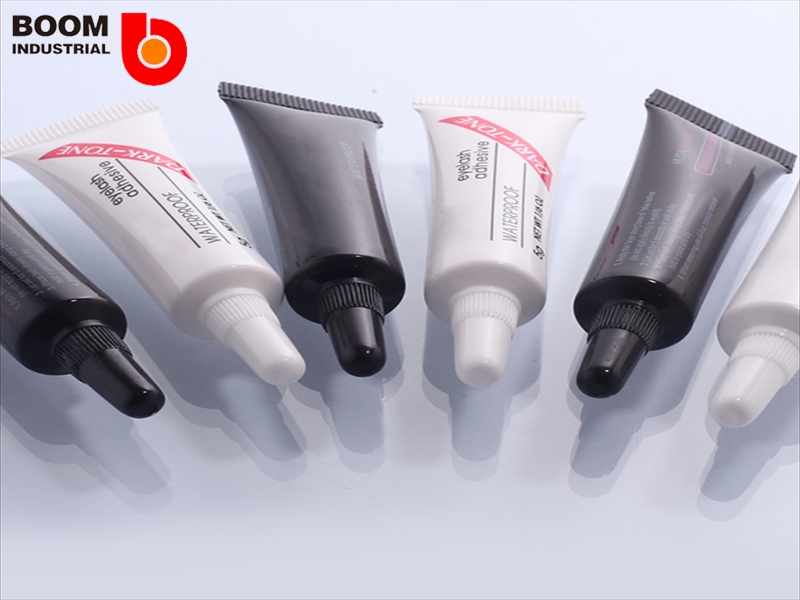
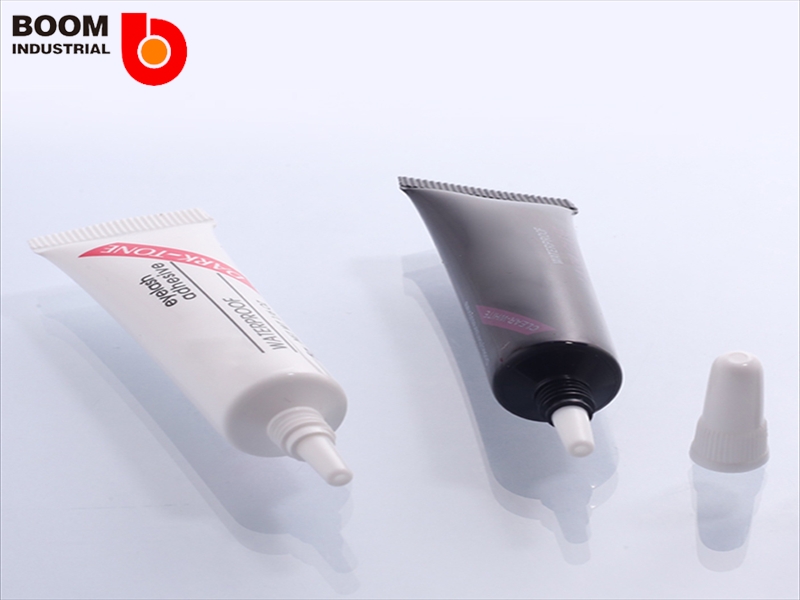
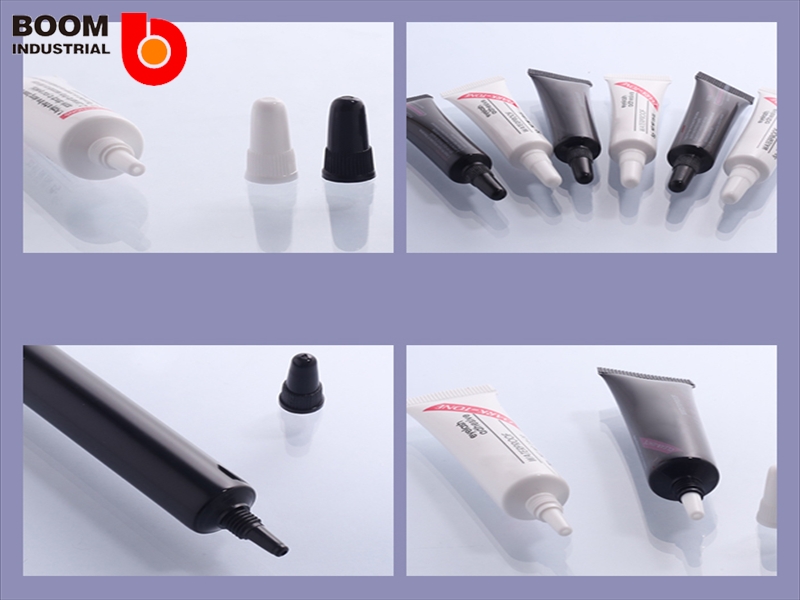
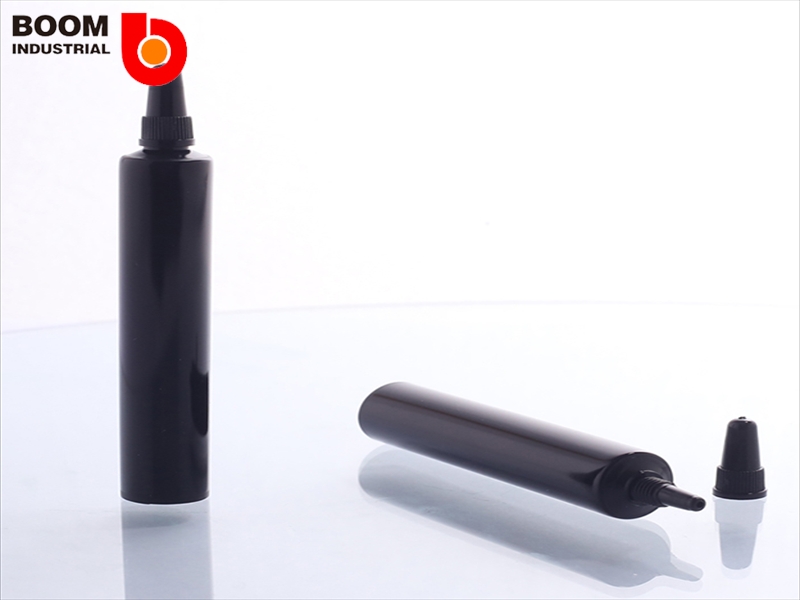
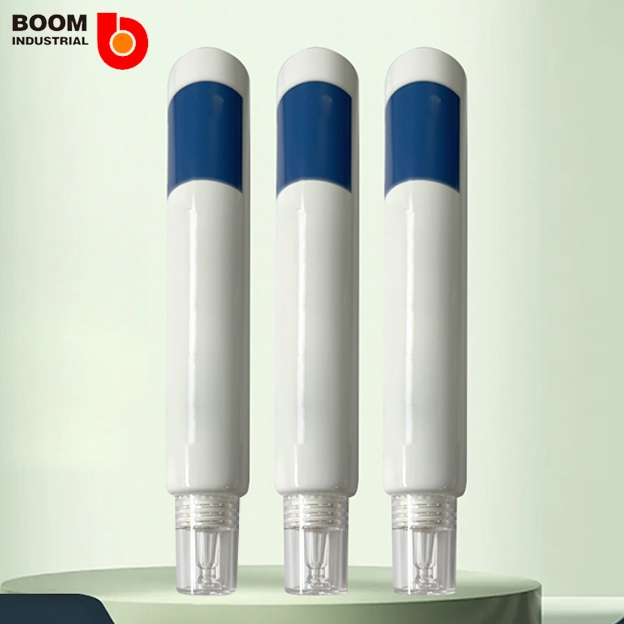
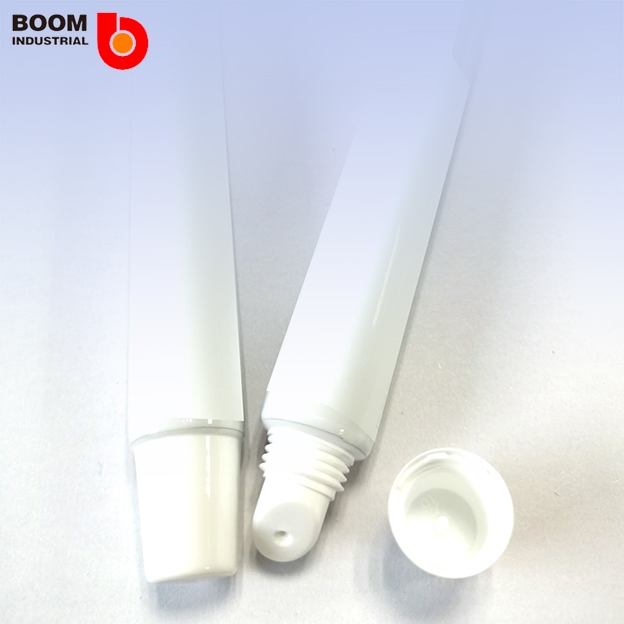
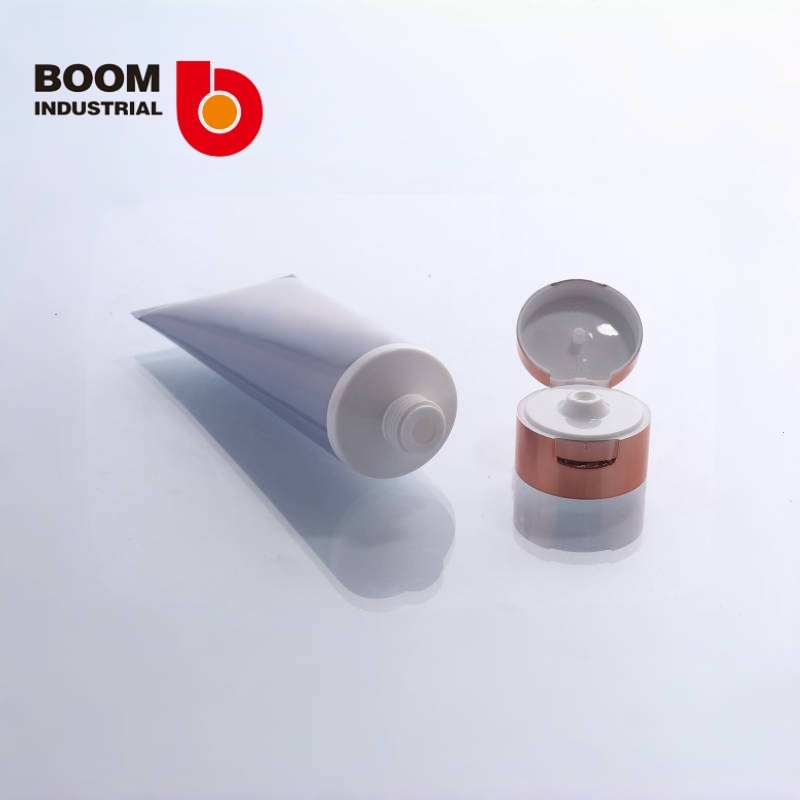
You use an eye ointment tube to deliver medication directly to your eye. This tube contains a sterile ointment that helps treat infections, inflammation, or dryness. Manufacturers design several types of tubes to suit different needs and preferences. The table below outlines the main types you may encounter in 2026:
Tube Type | Best For | Key Advantage |
|---|
Laminate Squeeze Tube | Affordable retail lines | Cost-effective, flexible, easy to print |
Aluminum Tube | Luxury & apothecary brands | Premium feel, excellent barrier properties |
Airless Pump Tube | Active ingredient formulas | Prevents oxidation, precise dispensing |
ABL Tube (Aluminum Barrier Laminate) | Mid-to-premium tier products | Strong barrier + soft squeeze feel |
Plastic Squeeze Tube (PE/PP) | High-volume, everyday use | Lightweight, durable, customizable |
Each eye ointment tube contains specific ingredients that support eye health. You will often find mineral oil, white petrolatum, and anhydrous liquid lanolin. These ingredients provide lubrication, form a protective barrier, and enhance comfort during application.
Ingredient | Function |
|---|
Mineral Oil | Provides lubrication and protects the eye surface. |
White Petrolatum | Forms a protective barrier that locks in moisture. |
Anhydrous Liquid Lanolin | Enhances the spreadability and comfort of the ointment. |
Why Proper Use Matters
You must use your eye ointment tube correctly to avoid complications. Improper technique can lead to serious risks. Some common problems include:
Self-medicating with eye drops can lead to severe damage, including vision loss.
Misuse of steroid drops can result in dangerous complications.
Incorrect use of antibiotic drops may not address the actual condition, leading to further issues.
Overuse of decongestant drops can cause rebound redness and dependency.
Chronic use of certain eye drops can lead to irreversible complications like glaucoma, cataract, or corneal thinning.
You protect your eyelid and eye health by following the correct steps. Proper application ensures the medication works as intended and minimizes side effects. Always read instructions and consult your healthcare provider if you have concerns.
How to Use Eye Ointments Safely
Applying medication to your eye requires careful attention to hygiene and technique. You can protect your vision and maximize the effectiveness of your treatment by following these steps.
Preparation Steps
Before you begin, you must prepare both your supplies and yourself. Proper preparation reduces the risk of infection and ensures you use the correct product.
Confirm you have the correct eye ointment tube. Never use someone else’s medication.
Read the instructions on the label and follow your healthcare provider’s directions.
Wash your hands thoroughly with soap and water or use an alcohol-based hand sanitizer.
Check that the tube tip is clean and has not touched any surfaces.
Tilt your head back or lie down to make the application easier.
Tip: Good hand hygiene is essential. Always wash your hands before handling the tube or touching your eye.
Hygiene Practice | Description |
|---|
Hand Hygiene | Wash your hands with soap and water or use an alcohol-based hand sanitizer. |
Avoid Contamination | Do not let the tube tip touch your eyelid, lashes, or the surface of your eye. |
Creating the Lower Lid Pocket
To apply eye ointment correctly, you need to create a pocket in your lower eyelid. This pocket holds the medication and helps it spread evenly.
Tilt your head back and look upward.
Use your non-dominant hand to gently pull down the lower lid with your thumb or index finger. This forms a small pouch or pocket.
Keep your gaze upward to avoid blinking during application.
This step ensures the ointment stays in place and does not run out of your eye.
Applying the Ointment Strip
Now you are ready to apply a thin line of ointment. Hold the eye ointment tube in your dominant hand.
Position the tube above the pocket you created in your lower eyelid.
Squeeze ribbon of ointment, about ¼ to ½ inch long, into the pocket. Do not touch the tube tip to your eye or skin.
Rotate the tube slightly as you finish to help break the strip cleanly.
Release your lower lid and gently close your eye for 30 to 60 seconds. This allows the medication to spread evenly.
Note: If you need to apply eye ointment to both eyes, repeat the process for the other eye using the same careful steps.
Avoiding Tube Contamination
You must avoid touching the tip of the tube to any surface, including your eye, eyelid, lashes, or fingers. Contamination can introduce harmful bacteria and lead to serious eye infections, such as keratitis or endophthalmitis, which may cause vision loss.
Always wash your hands before and after you apply eye ointment.
Avoid touching the tip of the tube to your eye or any surface.
Keep the tube sealed tightly when not in use.
Store the eye ointment tube in a clean, dry place.
Alert: Using a contaminated tube increases the risk of infection and may lead to treatment failure, especially if antibiotic-resistant bacteria are present.
If you accidentally touch the tip or suspect contamination, discard the tube and use a new one. After application, gently wipe the eye with a clean tissue if needed and wipe away any excess medication.
By following these steps, you ensure safe and effective use of your eye ointment and protect your eye health.
Aftercare and Common Issues
Closing Eye and Absorption
After you apply eye ointment, you should close your eye gently. This step helps the medication spread evenly and improves absorption. For best results, keep your eye closed and use your finger to press the inside corner of your eyelid. Hold this position for two full minutes. This technique prevents the ointment from draining away and ensures the medication stays where it is needed.
Tip: Avoid squeezing your eyelids tightly. Gentle pressure works best and feels more comfortable.
Wiping Excess Ointment
Sometimes, a small amount of ointment may leak out after application. You can remove this safely without causing irritation. Use a clean tissue to gently wipe away any excess ointment around your eye. Always use a fresh tissue each time to prevent introducing bacteria.
Dealing with Blurry Vision
Blurry vision often occurs after you use eye ointment. This effect usually lasts only a short time, but some people may notice it for longer. The table below shows how long patients report blurry vision can last:
Duration of Blurry Vision | Description |
|---|
A few minutes | "After using these eye drops twice daily, my vision would be blurred... the blurriness would last for a few minutes and eventually pass." |
Hours | "...my blurred vision has increased, lasting for hours." |
Over an hour | "...my sight is blurred like a Vaseline coat after using—can’t see/focus at all for over an hour..." |
If your vision stays blurry for more than a few hours, contact your healthcare provider.
Recapping and Handwashing
After you finish, always recap the tube tightly to keep the ointment sterile. You should wash your hands thoroughly to remove any medication and reduce the risk of spreading germs.
Note: Proper aftercare protects your eye health and keeps your medication safe for future use.
Eye Ointment for a Child
Special Tips for Children
Applying eye ointment to a child presents unique challenges. You may find that your child feels anxious or resists the process. Pediatric ophthalmologists recommend several strategies to make the experience smoother:
Always verify the medication is approved for pediatric use. Many topical antibiotics and antihistamines are safe for children, but some steroids are not.
Check the label and expiration date before each use.
Store all medications out of your child’s reach. Most tubes do not have child safety features.
Avoid products with tetrahydrozoline, naphazoline, or oxymetazoline. Safer alternatives exist for your child.
Dosage for a child usually matches the adult dose, but always follow your healthcare provider’s instructions.
You should practice good hand hygiene before and after application. Cleaning your child’s eyes gently with a sterile pad helps remove crusted material and prepares the area for medication.
Tip: Explain the procedure to your child in simple terms. This reduces anxiety and encourages cooperation.
Comfort and Safety for Kids
You can make the process more comfortable and safe for your child by following a few key steps. Position your child on their back, possibly using your legs to help keep them still. If your child has special needs, consult your pediatrician for personalized advice.
Wash your hands thoroughly.
Gently clean your child’s eyes if needed.
Inspect the ointment for any changes in color or texture.
Explain what you are doing and why.
Ask your child to look up or away as you apply the ointment.
Apply the ointment as directed, using a gentle touch.
Wipe away any excess with a clean tissue.
You may find that your child fidgets or blinks during application. Patience and reassurance help build trust and make future applications easier. Always monitor your child for side effects and contact your healthcare provider if you notice anything unusual.
Common Challenge | How to Overcome |
|---|
Keeping child still | Lay child on back, use gentle restraint if needed |
Application resistance | Offer reassurance, explain each step |
Post-application care | Use a clean tissue, avoid rubbing the eye |
Remember: Every child reacts differently. Your calm approach and clear communication can turn a stressful moment into a manageable routine.
Safety Tips and Mistakes to Avoid
Preventing Contamination
You must protect your eyes from infection by keeping your medication sterile. Contamination can lead to serious complications, including bacterial keratitis and endophthalmitis. These infections may cause vision loss if not treated quickly. You can reduce your risk by following these essential steps:
Method | Description |
|---|
Hand hygiene | Wash hands before application to prevent contamination. |
Clean surroundings | Ensure the area around the eyes is clean, especially if there is crusting. |
Avoid touching the tip | Do not touch the end of the tube to any surface to maintain sterility. |
Lay the cap on its side | Place the cap on a clean surface to avoid contamination. |
Always wash your hands before using eye ointments or eye gels.
Clean any crusting around your eyes with a warm washcloth.
Check the label to confirm you have the correct medication.
Avoid contact between the tube tip and any surfaces.
Alert: Contaminated ocular medications can introduce bacteria such as Staphylococcus aureus or Pseudomonas. You must stay vigilant to prevent these risks.
Correct Dosage
You should always use the recommended amount of medication. Applying too much or too little can reduce effectiveness or increase side effects. The correct dosage for most adults and children over one month is a small ribbon, about 1.27 cm (½ inch), applied to the affected eye two to three times daily.
Age Group | Ointment Dosage |
|---|
Adults | Apply a 1.27 cm-long ribbon to the affected eye 2–3 times a day |
Children (1 month +) | Apply a 1.27 cm-long ribbon to the affected eye 2–3 times a day |
You should never share your medication with others. If you miss a dose, apply it as soon as you remember. Do not double the dose.
When to Seek Help
You need to contact your healthcare provider if you notice any unusual symptoms after using your medication. Watch for signs such as severe redness, swelling, pain, or vision changes. Delaying medical attention can result in permanent damage, including vision loss or corneal thinning. Some reactions, such as local allergic responses, toxic epidermal necrolysis, or systemic contact dermatitis, require immediate care.
Tip: If you experience persistent discomfort, worsening symptoms, or new infections, seek professional advice. Prolonged use of certain medications can cause new or worsening infections, so you must stay alert to changes.
If you notice excess medication, gently wipe the eye with a clean tissue. This simple step helps prevent irritation and supports healing.
You ensure the best results from your eye ointment when you follow each step with care. Consistent handwashing, checking expiration dates, and keeping the tube tip clean help prevent infections and maintain medication effectiveness.
Always use a clean tissue to wipe away excess ointment.
Store your tube tightly closed at room temperature.
Never share your medication.
Practice builds confidence and comfort. If you have questions or notice unusual symptoms, consult your healthcare provider—especially when treating children.
FAQ
How often should you apply eye ointment?
You should follow your healthcare provider’s instructions. Most prescriptions recommend applying a ½-inch ribbon two or three times daily. Always check the label for specific directions. If you miss a dose, apply it as soon as possible.
Can you drive after using eye ointment?
You may experience blurry vision for several minutes after application. Wait until your vision clears before driving or operating machinery. Safety comes first. If blurriness persists, contact your healthcare provider.
What should you do if the ointment tube tip touches your eye?
If the tip touches your eye, lashes, or skin, you risk contamination. Discard the tube and use a new one. This prevents infection and ensures safe treatment.
Is it safe to use eye ointment with contact lenses?
You should remove contact lenses before applying eye ointment. Wait at least 15 minutes before reinserting them. Ointment can cloud lenses and reduce effectiveness. Always follow your eye care professional’s advice.
How do you store eye ointment tubes?
Storage Tip | Description |
|---|
Room Temperature | Keep tubes in a cool, dry place. |
Avoid Heat & Sunlight | Protect from direct sunlight. |
Tight Cap | Seal tightly after each use. |